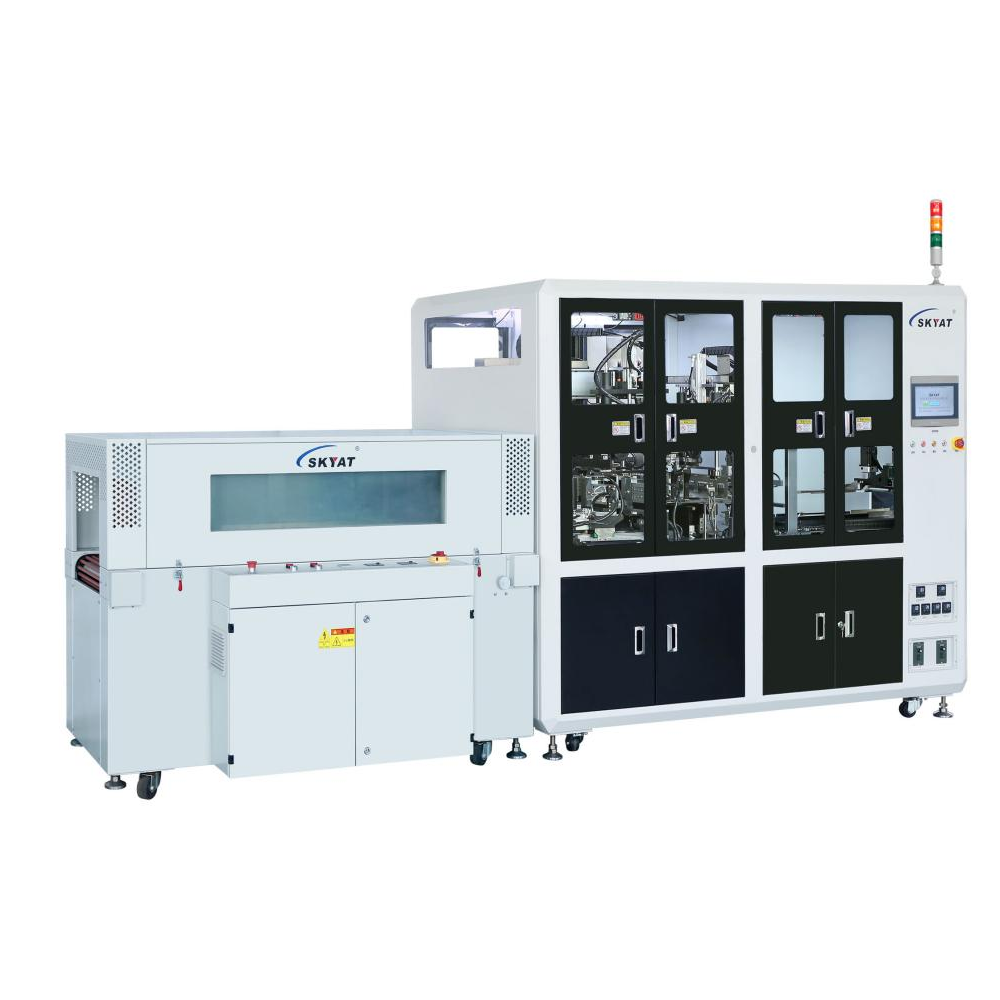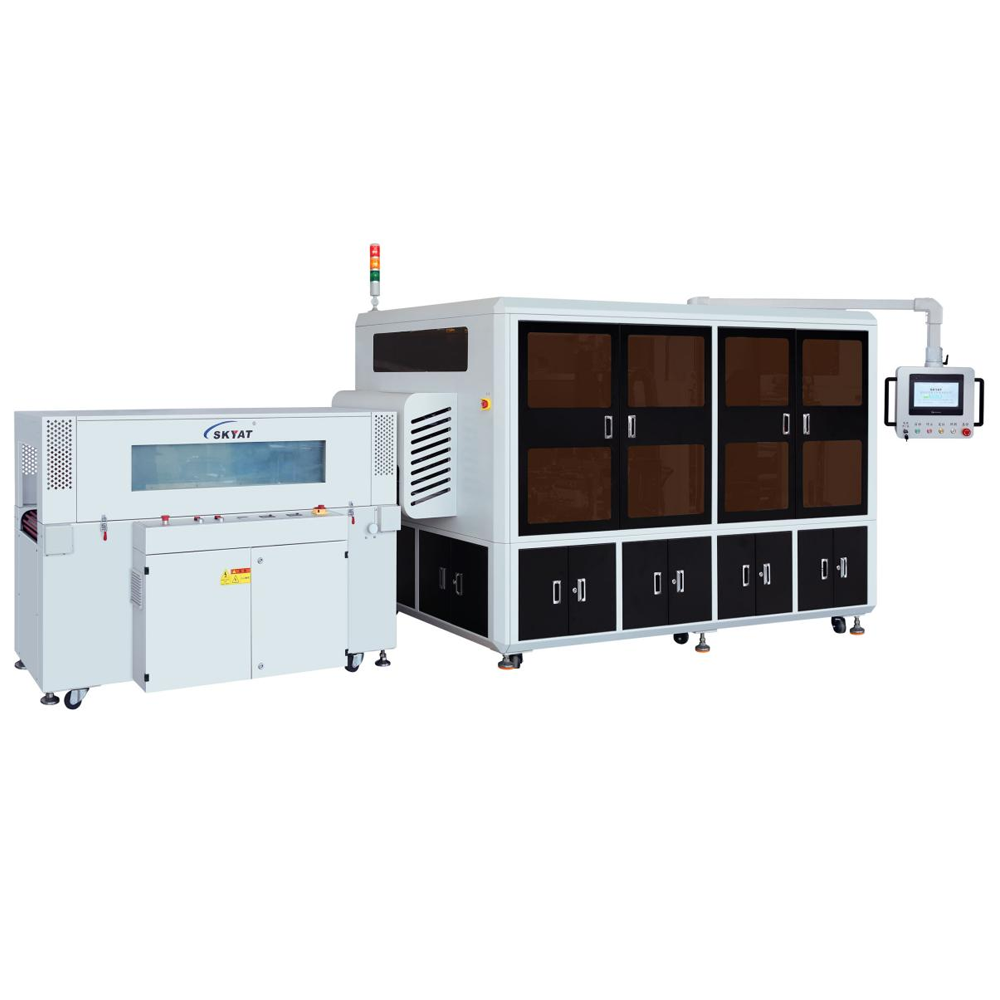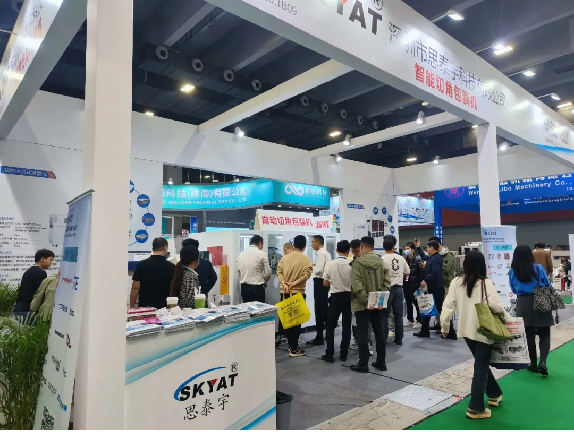
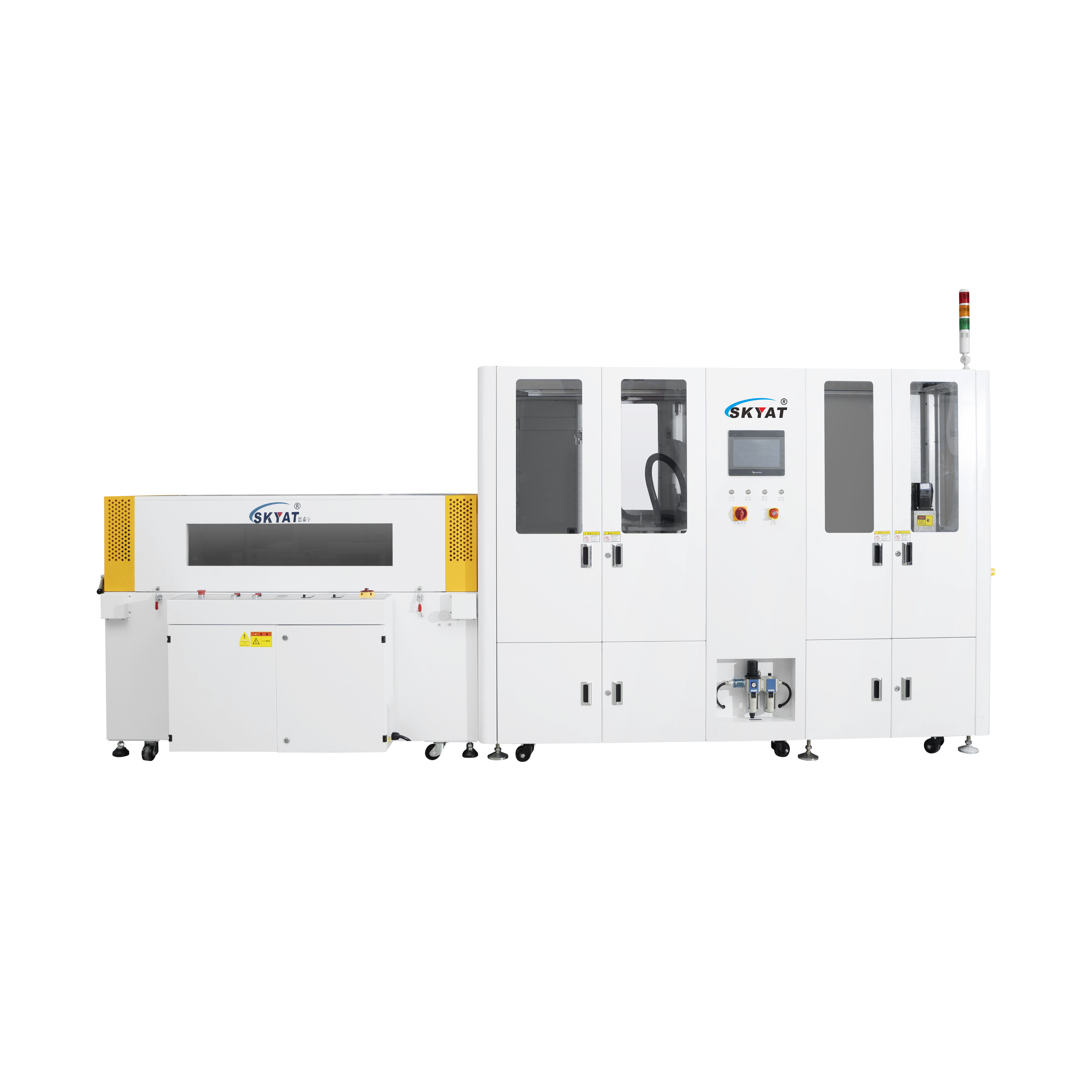
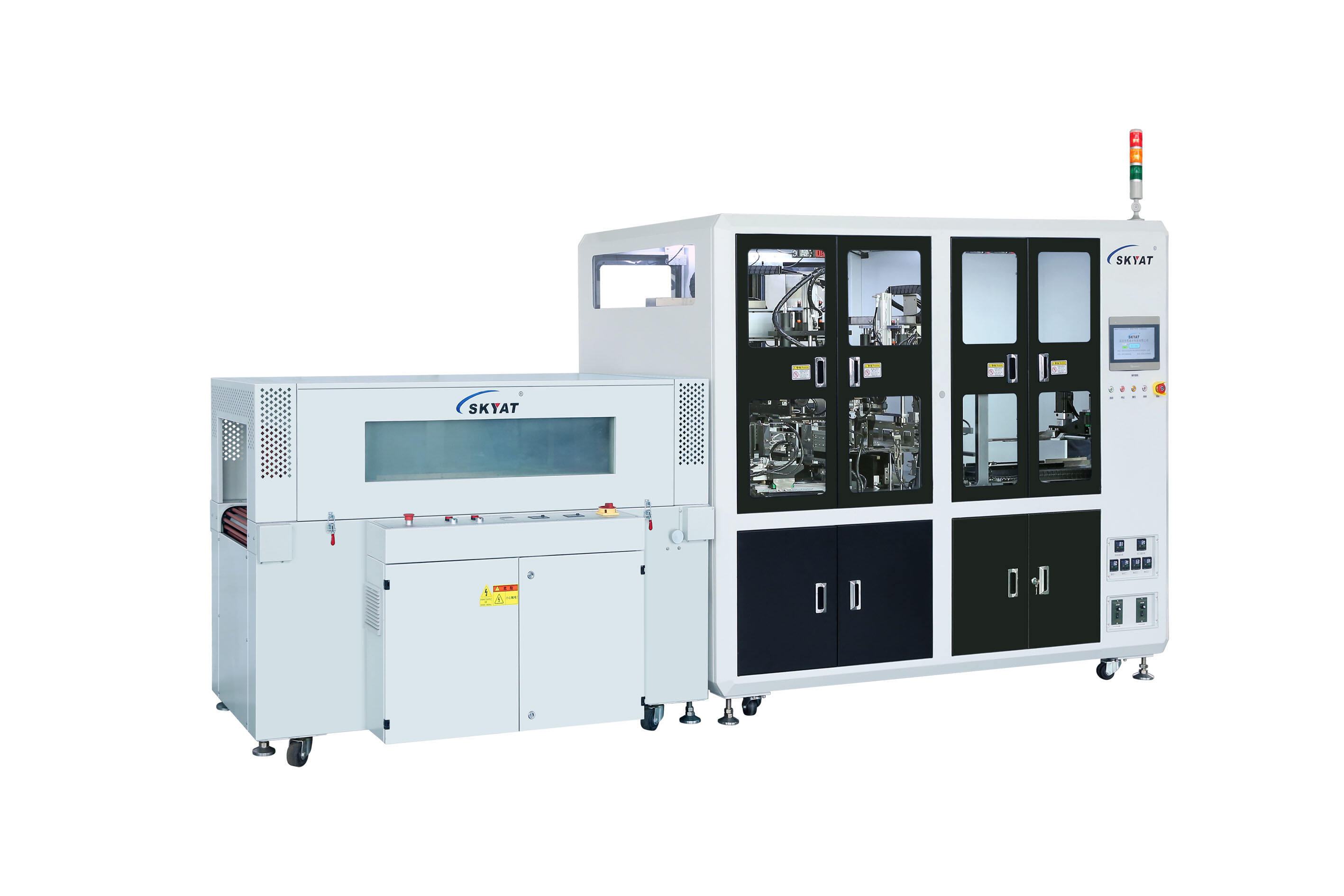
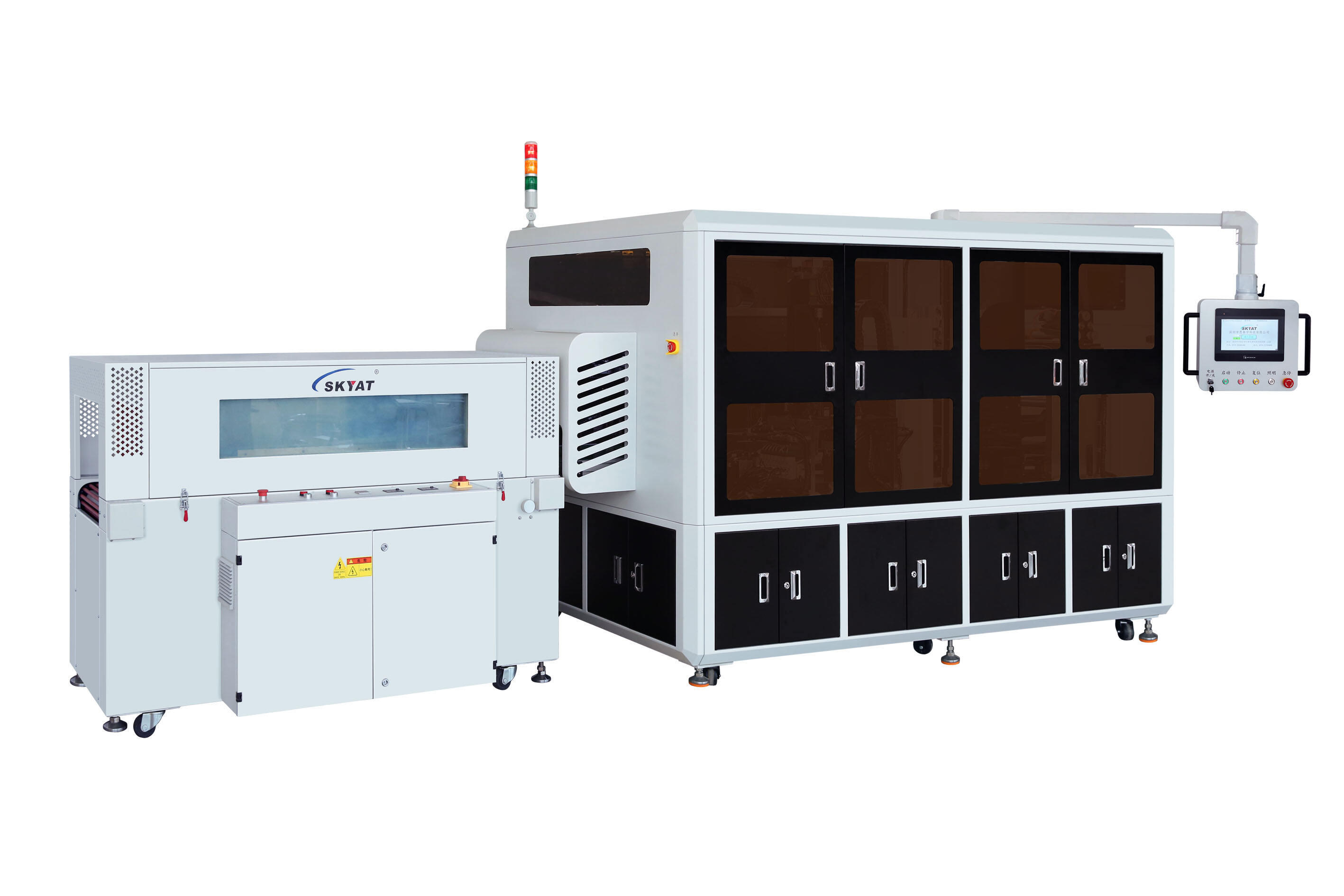
Packaging automation solutions are tailored to address the unique challenges of diverse sectors, from the precision demands of electronic manufacturing to the hygiene requirements of pharmaceuticals and the high-volume needs of automotive production. These sector-specific solutions integrate technology, materials, and workflow design to optimize efficiency, compliance, and product protection. In electronic manufacturing, automation solutions prioritize precision and anti-static protection. Robotic systems with electrostatic discharge ESD safeguards handle smart electronics components, ensuring they’re wrapped in anti-static film to prevent damage from static electricity. Sensors verify that each circuit board or drone part is positioned correctly before wrapping, reducing the risk of misalignment that could cause scratches during transit. These systems integrate with testing lines, ensuring only passing products proceed to packaging—critical for maintaining quality in high-tech sectors where defects are costly. Pharmaceutical and healthcare products industries rely on automation solutions designed for sterility and compliance. Stainless steel machines with sealed chambers prevent contamination, while HEPA filters in heating systems ensure air purity. Automated systems apply tamper-evident seals and print batch codes in real time, generating digital records to meet FDA and EMA traceability requirements. For small-batch production of specialty supplements, flexible automation allows quick changeovers between bottle sizes, ensuring efficiency without compromising regulatory adherence. Food and beverage sectors, including tea processing, benefit from automation that balances freshness and speed. Automated shrink wrap systems for tea use films with oxygen barriers to preserve flavor, while precise temperature controls prevent heat damage to sensitive leaves. These solutions integrate with weighing and filling machines, creating a seamless line that handles 500+ tea boxes per minute during peak seasons. For ready-to-eat meals or healthcare products requiring refrigeration, automation includes cold-resistant films and temperature-monitoring sensors to ensure compliance with food safety standards. Automotive and heavy industries demand rugged automation solutions. Robotic arms wrap large steel parts or car panels with heavy-duty shrink film, using adjustable tension to secure items without denting. These systems operate in harsh environments, with dust-resistant components and reinforced conveyors to handle weights up to 500kg. Integration with logistics software ensures packages are labeled with shipping data, streamlining the transition from production to distribution—a key efficiency for automotive supply chains. Consumer goods sectors like cosmetics and clothing use automation to enhance aesthetics and flexibility. Automated systems apply clear shrink film that showcases product design, with precision trimming for a polished look. For clothing brands with seasonal lines, quick-change film rolls and programmable settings allow switches between sweater boxes and accessory packets in minutes. Some solutions even support pre-printed films with brand logos, merging protection with marketing—an advantage for cosmetics lines competing on shelf appeal. Finally, new energy sectors, such as solar panel manufacturing, use automation solutions focused on sustainability. These systems prioritize eco-friendly films and energy-efficient heating, aligning with brand values. They handle large, fragile solar components with gentle gripping technology, ensuring packaging doesn’t damage delicate surfaces. By tailoring automation to sector-specific needs, these solutions drive productivity, compliance, and innovation across industries.
Copyright © 2025 By Skyat Limited. - Privacy policy