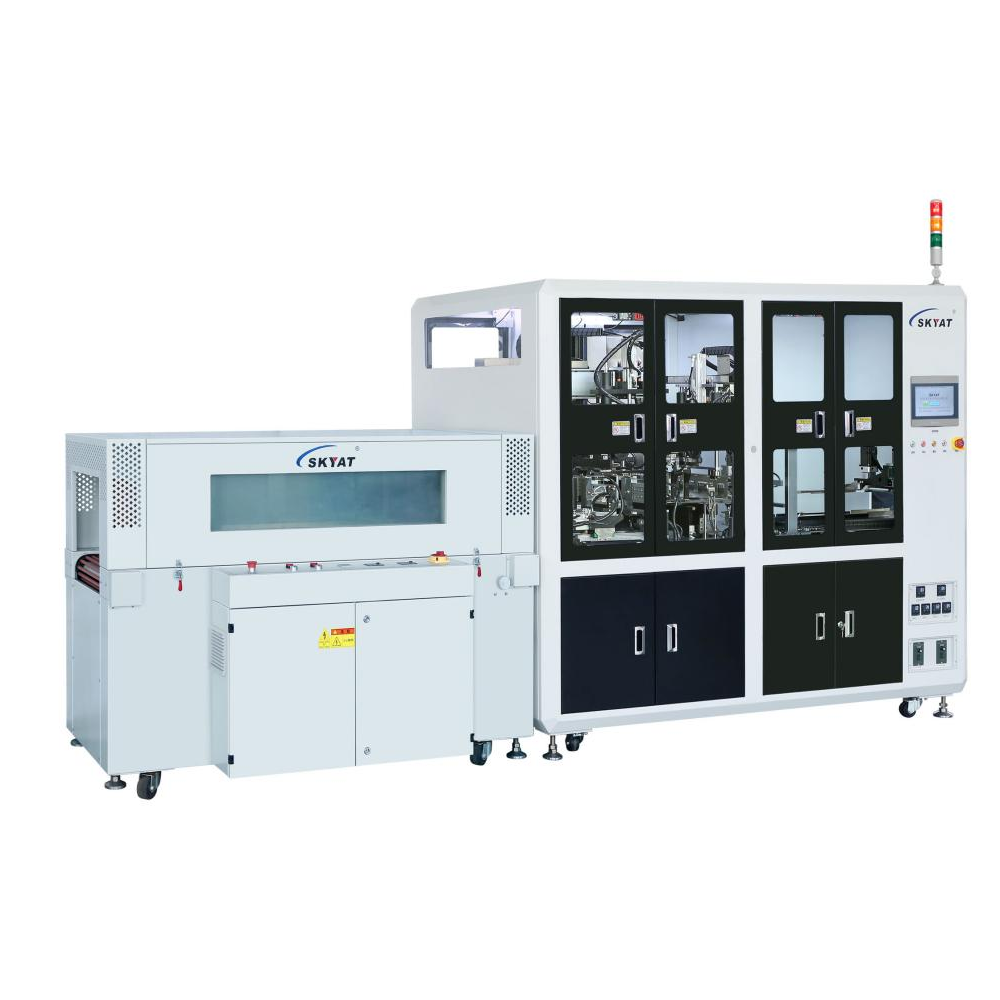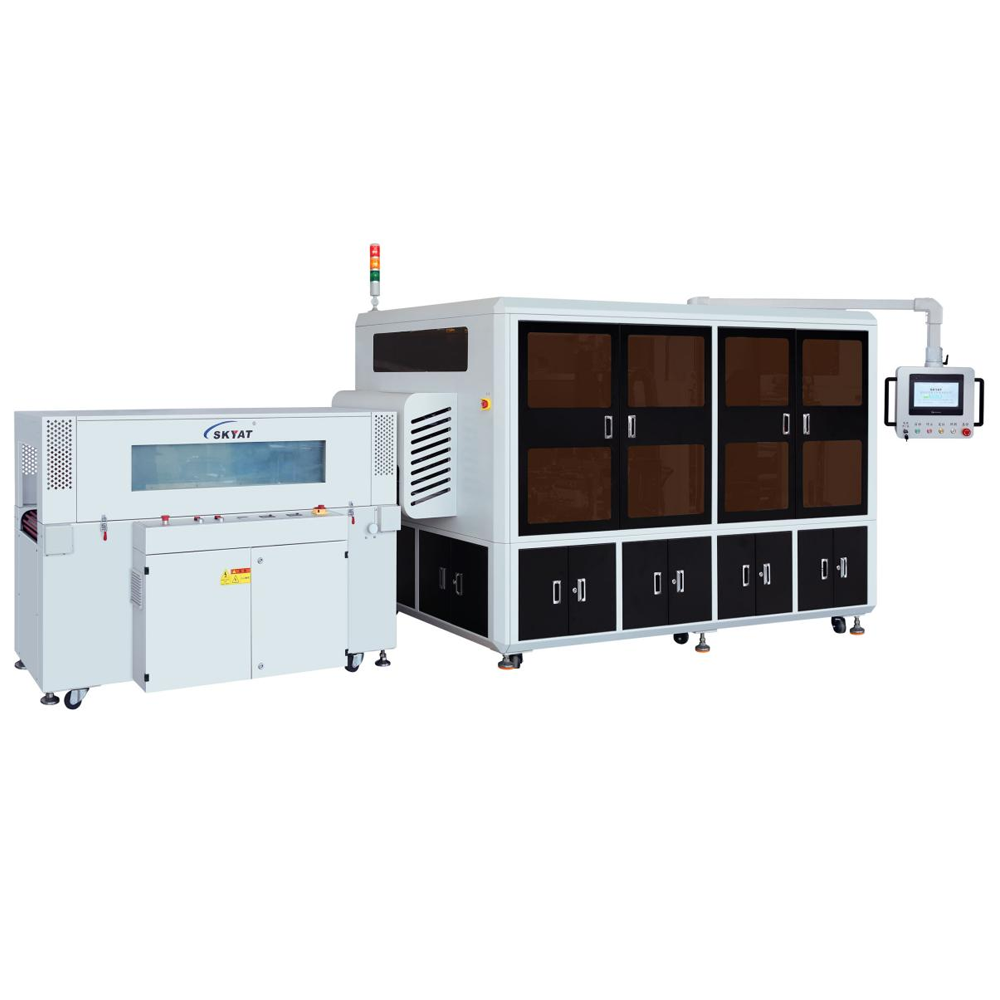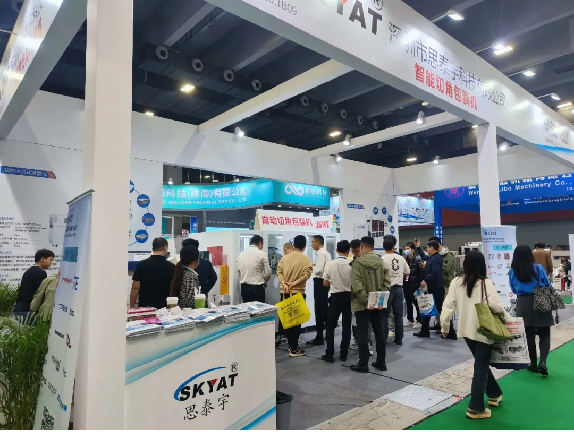
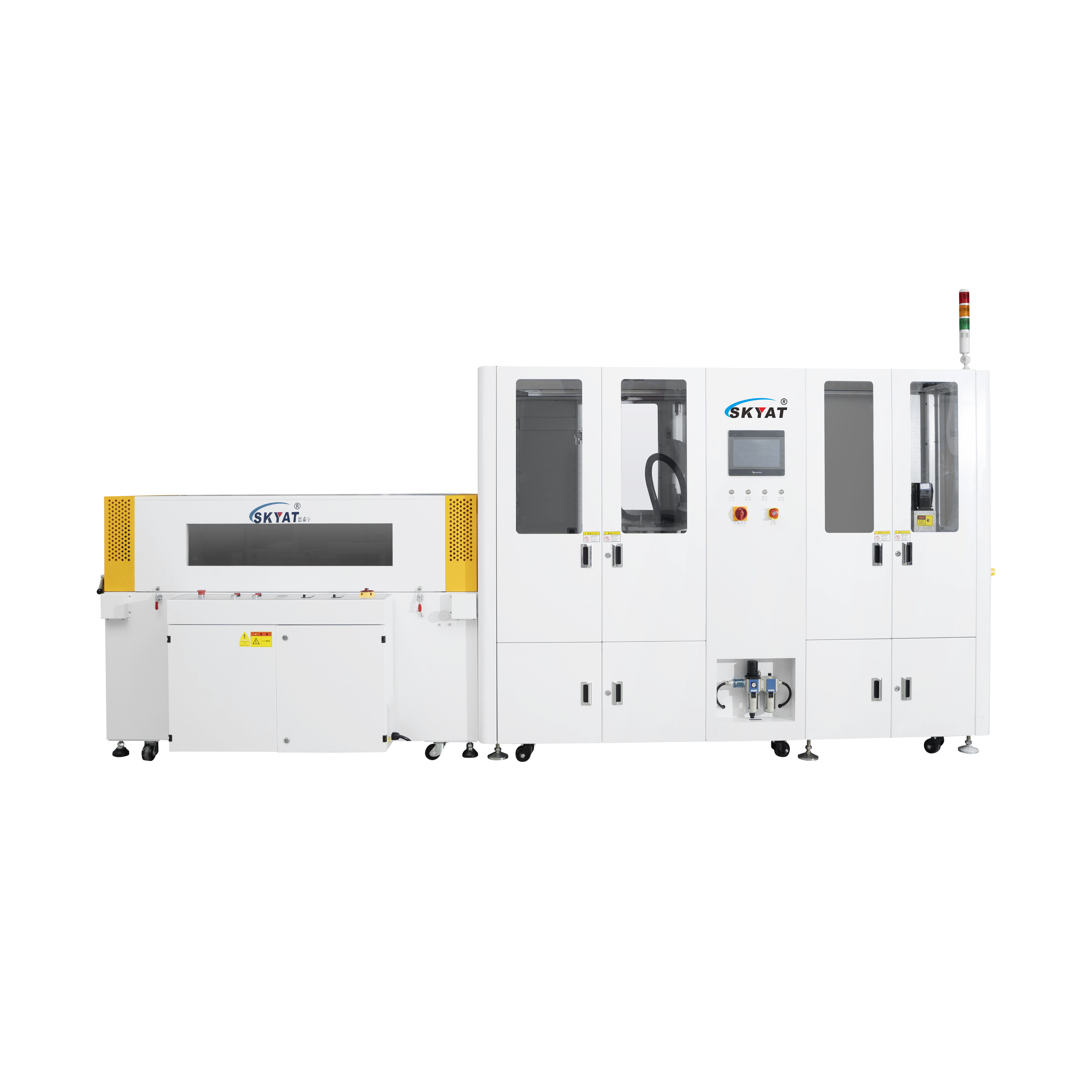
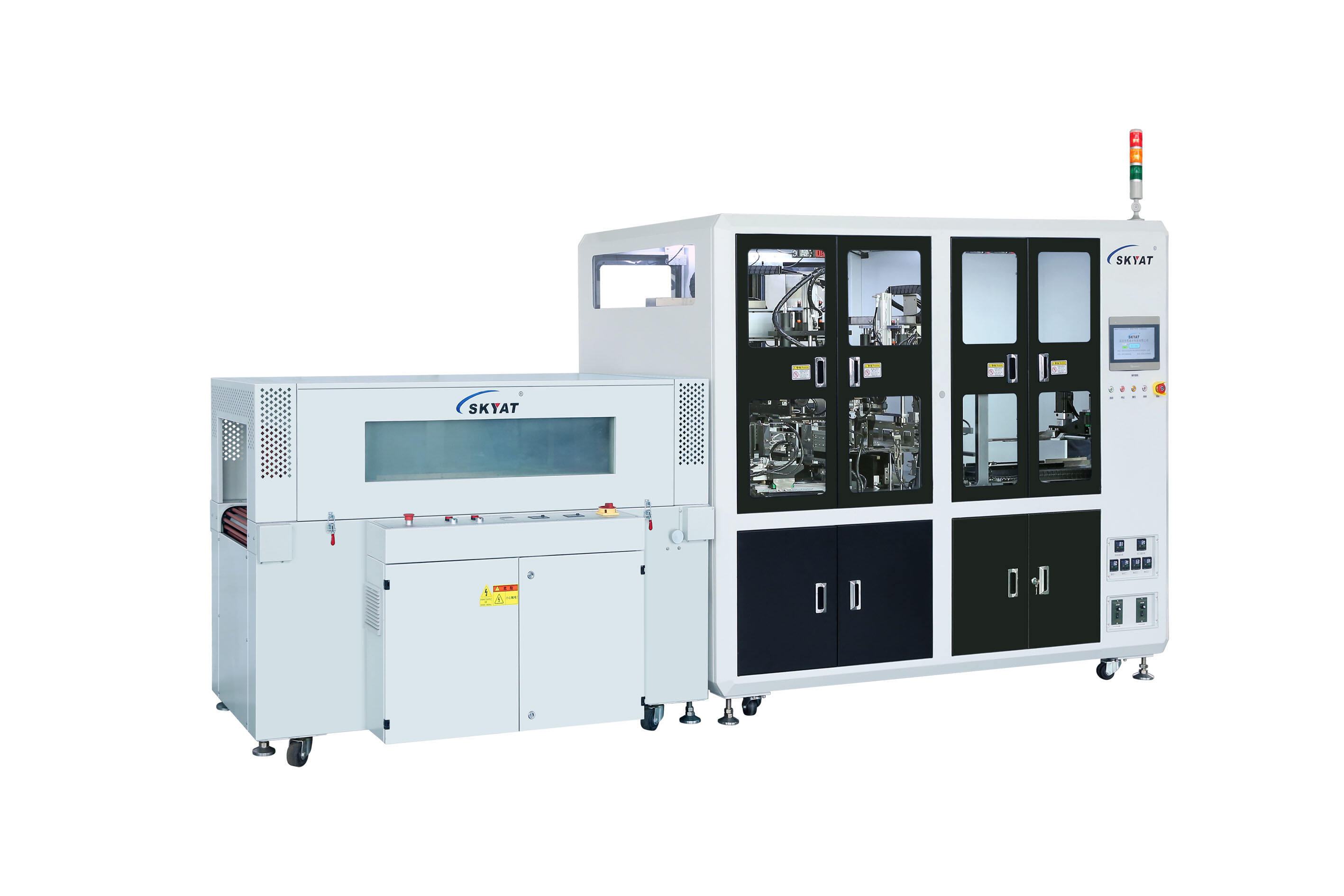
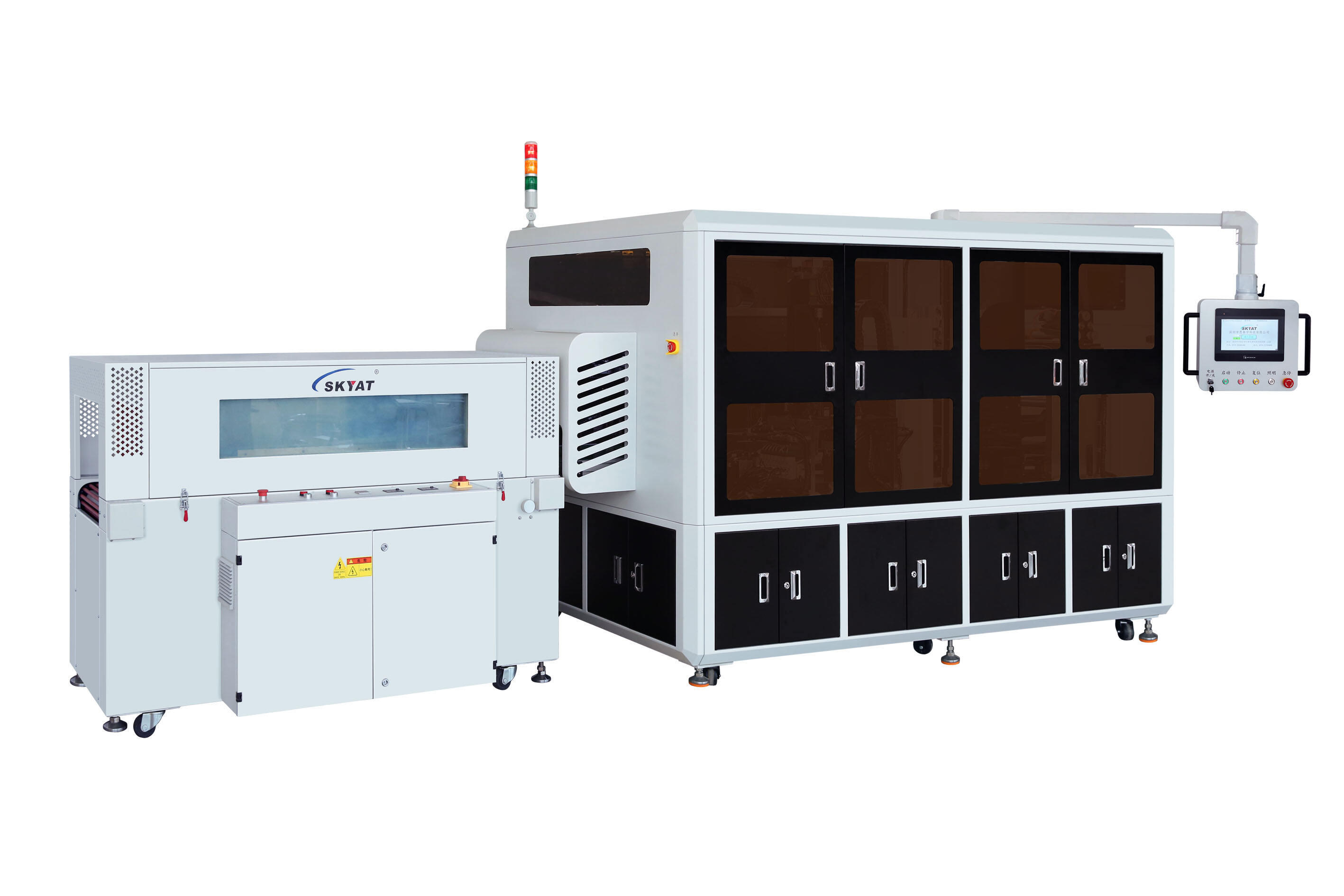
The role of automation in packaging is multifaceted, serving as a cornerstone of efficiency, reliability, and innovation across industries such as electronic manufacturing, pharmaceuticals, food processing including tea, automotive, cosmetics, and new energy production. Automation transforms packaging from a manual, labor-intensive task into a streamlined, data-driven process that enhances productivity, ensures consistency, and addresses critical industry-specific challenges. One of the primary roles of automation in packaging is to increase production speed and throughput. In high-volume industries like game console manufacturing and clothing production, automated systems can handle hundreds of items per minute, far outpacing manual capabilities. This speed ensures that packaging keeps up with manufacturing lines, reducing bottlenecks and enabling businesses to meet tight deadlines. For example, in automotive parts production, where thousands of components are manufactured daily, automation ensures that each part is packaged immediately after production, minimizing storage needs and accelerating delivery times. Consistency and quality control are another key role of automation. Manual packaging is prone to variations in wrapping tension, seal quality, and overall presentation, which can affect product protection and brand perception. Automated systems, equipped with sensors and pre-programmed settings, deliver uniform results with every item—whether it’s a small cosmetic jar, a bag of tea, or a large ceramic tile. This consistency is especially critical in industries like pharmaceuticals and healthcare products, where packaging must meet strict regulatory standards to ensure product safety and efficacy. Automation also plays a vital role in reducing waste and lowering costs. By precisely controlling material usage, automated systems minimize excess packaging film, labels, and other supplies, cutting down on material expenses and supporting sustainability goals. In new energy sectors, where environmental responsibility is a priority, this waste reduction aligns with broader corporate sustainability strategies. Additionally, automation reduces labor costs by minimizing the need for manual intervention, and predictive maintenance features help prevent costly downtime by identifying potential issues before they escalate. Adaptability is another important role of automation in packaging. Modern systems can be easily reprogrammed to handle different product sizes, shapes, and materials, making them ideal for businesses with diverse product lines. For instance, a facility producing both smart electronics and drone components can quickly adjust its automated packaging system to accommodate the varying dimensions and protection needs of each product. This flexibility allows businesses to respond rapidly to market changes and introduce new products without extensive retooling. Finally, automation enhances traceability and data collection in packaging processes. Integrated IoT sensors and software track each packaged item, recording data such as production time, packaging materials used, and quality checks. This information provides valuable insights for inventory management, quality control, and process optimization, helping businesses make data-driven decisions to improve efficiency and customer satisfaction. Across all industries, the role of automation in packaging is to elevate standards, drive efficiency, and enable businesses to thrive in a fast-paced, competitive market.
Copyright © 2025 By Skyat Limited. - Privacy policy