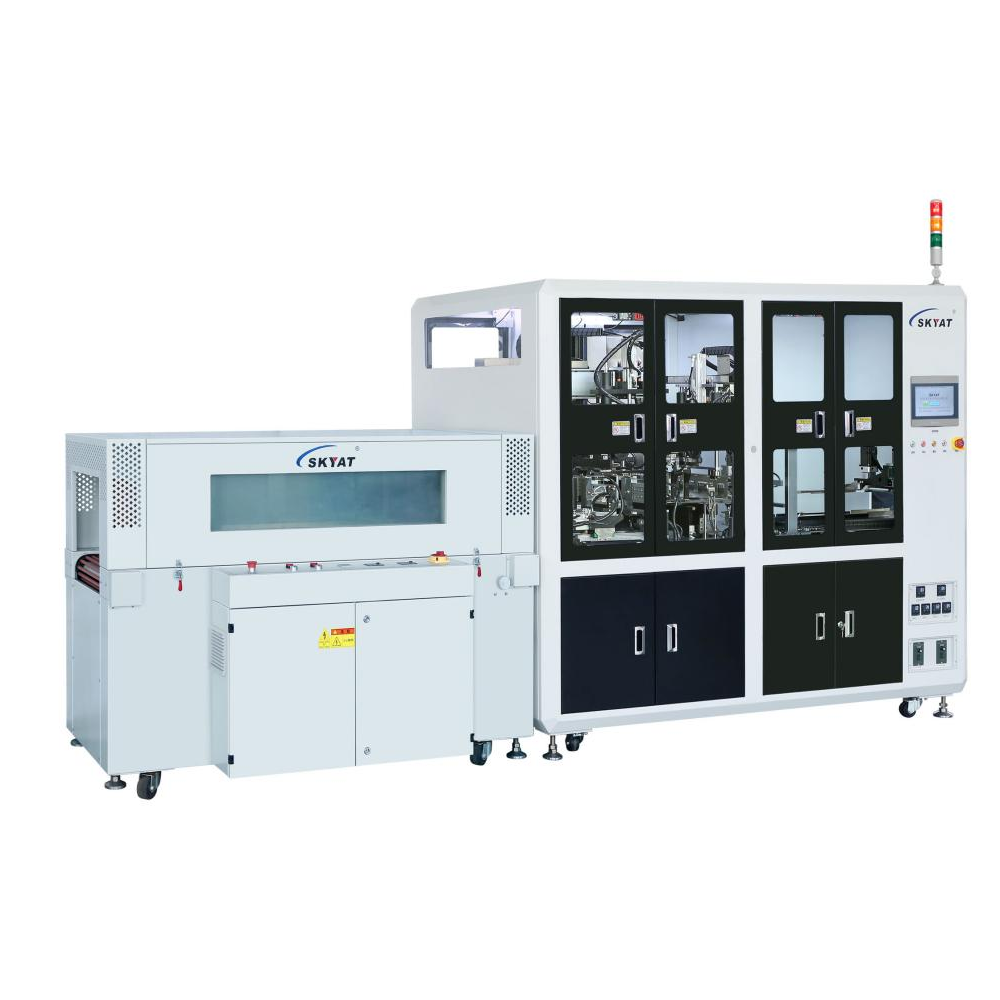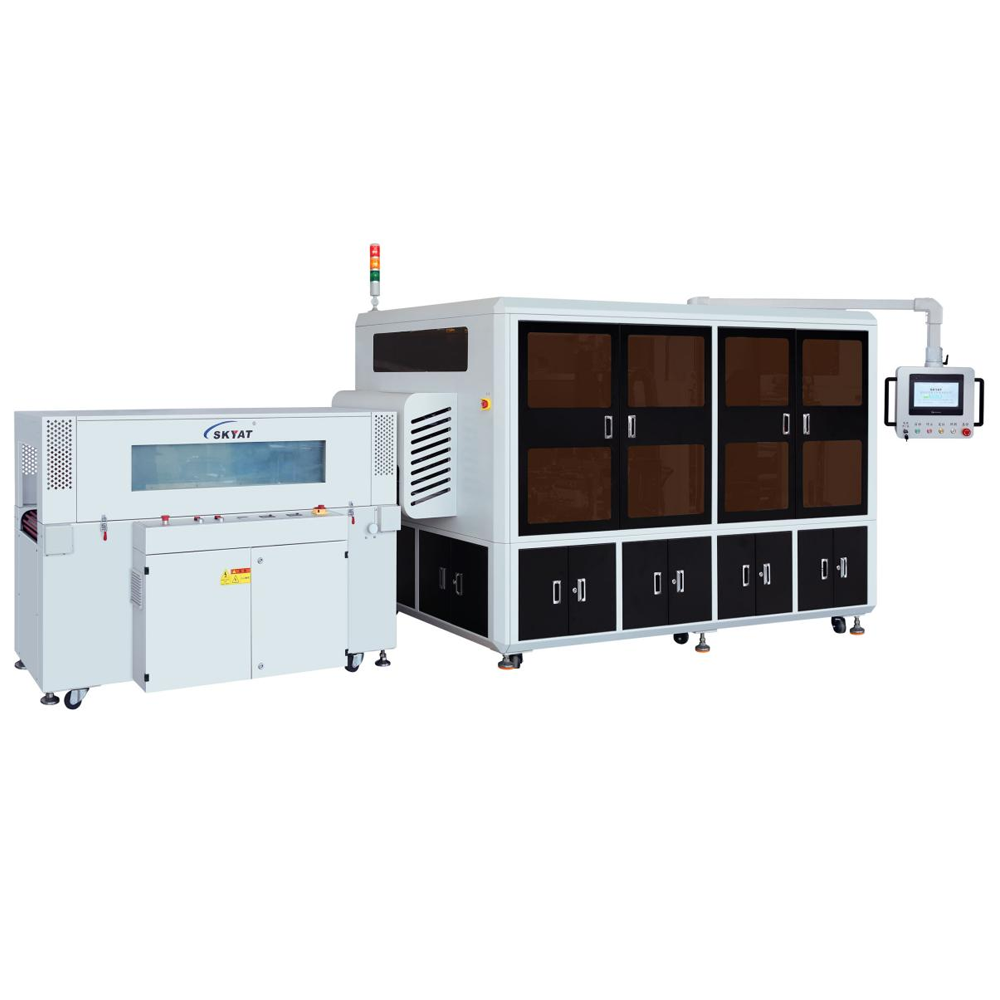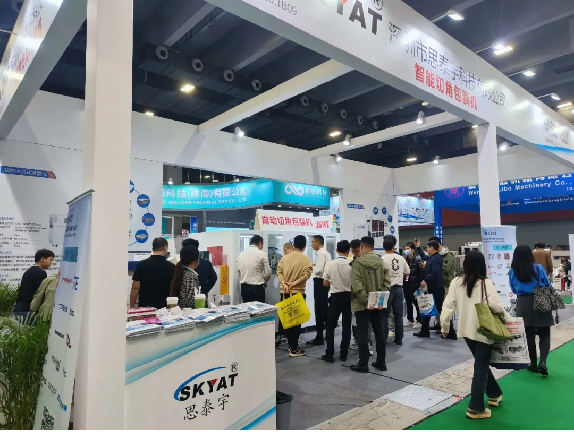
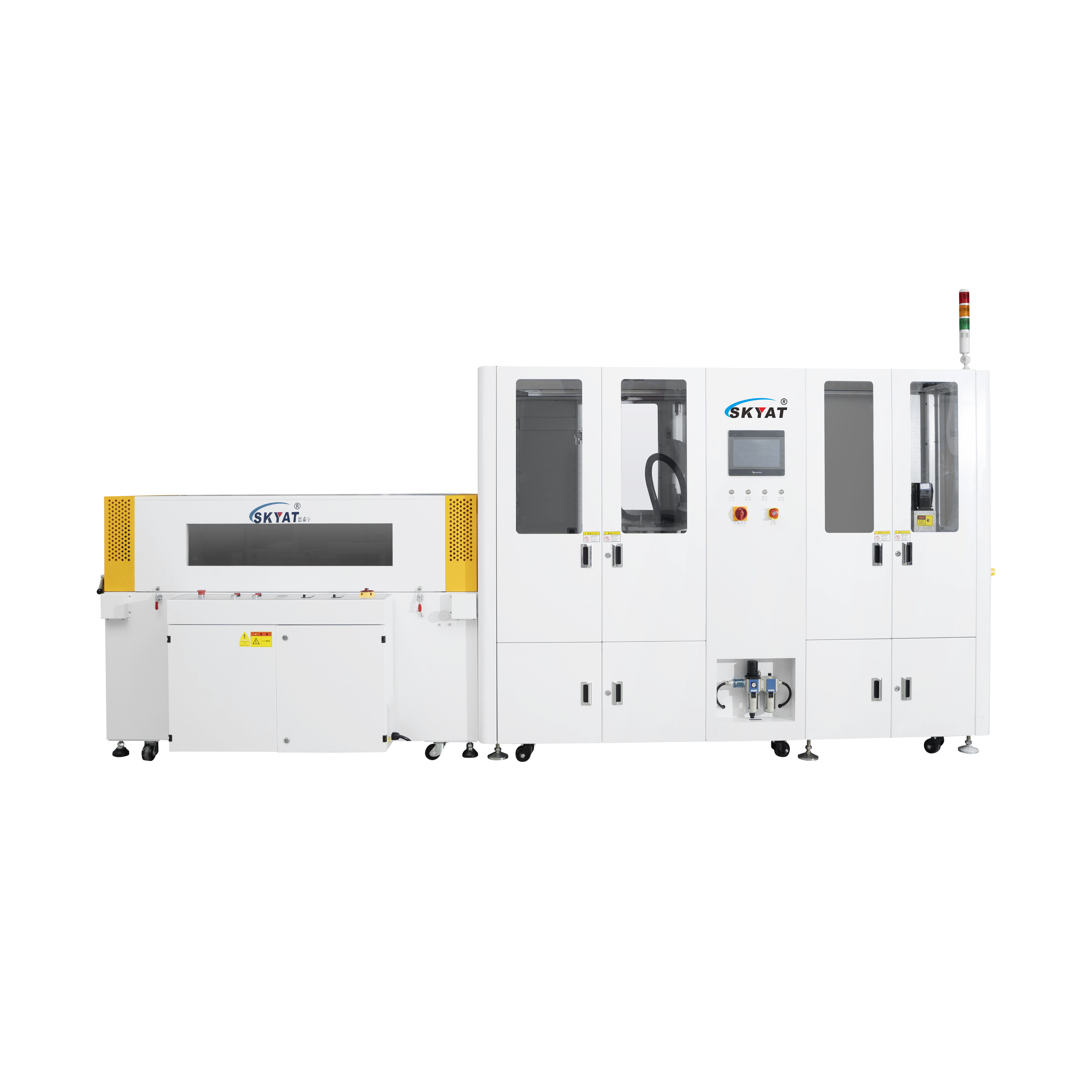
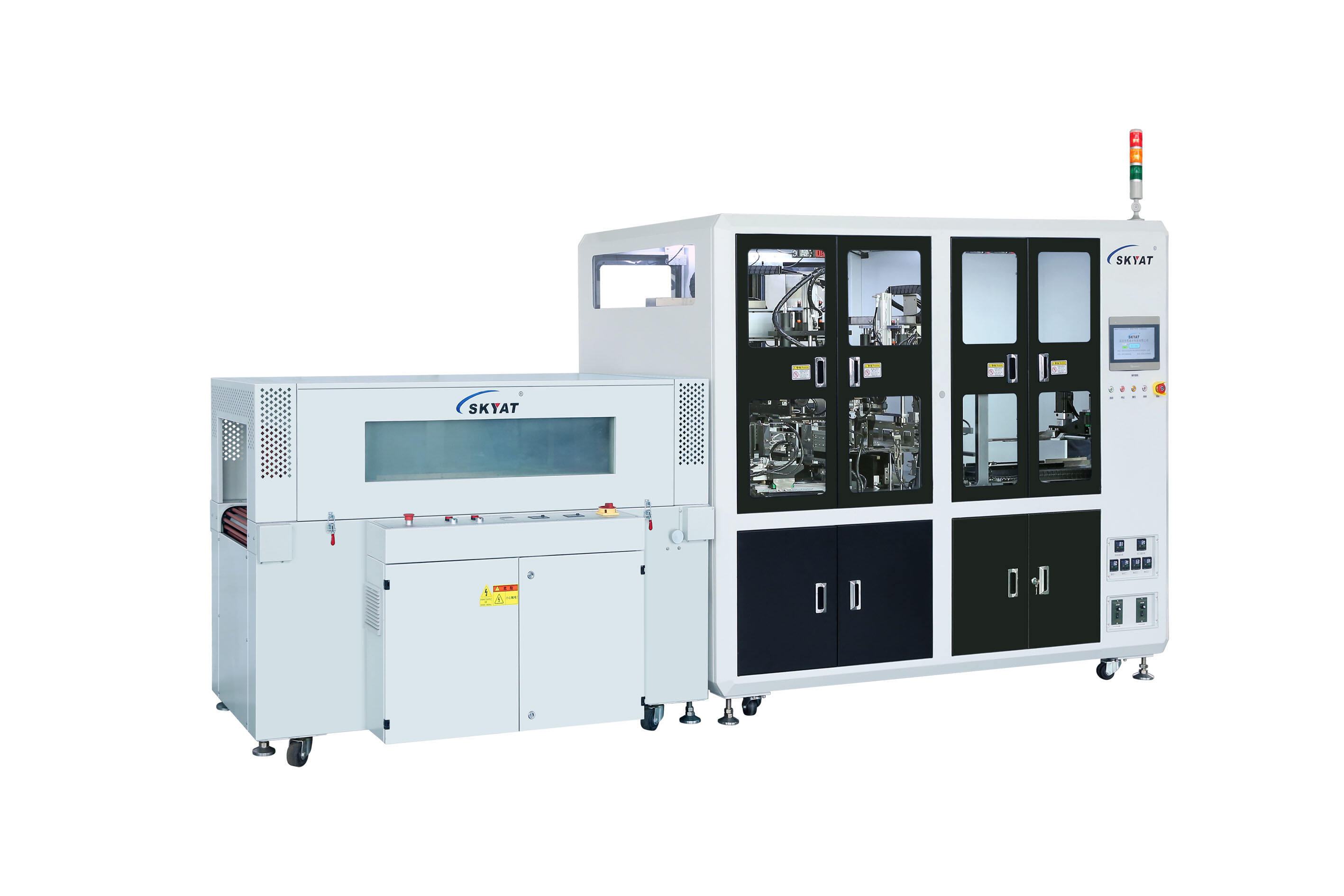
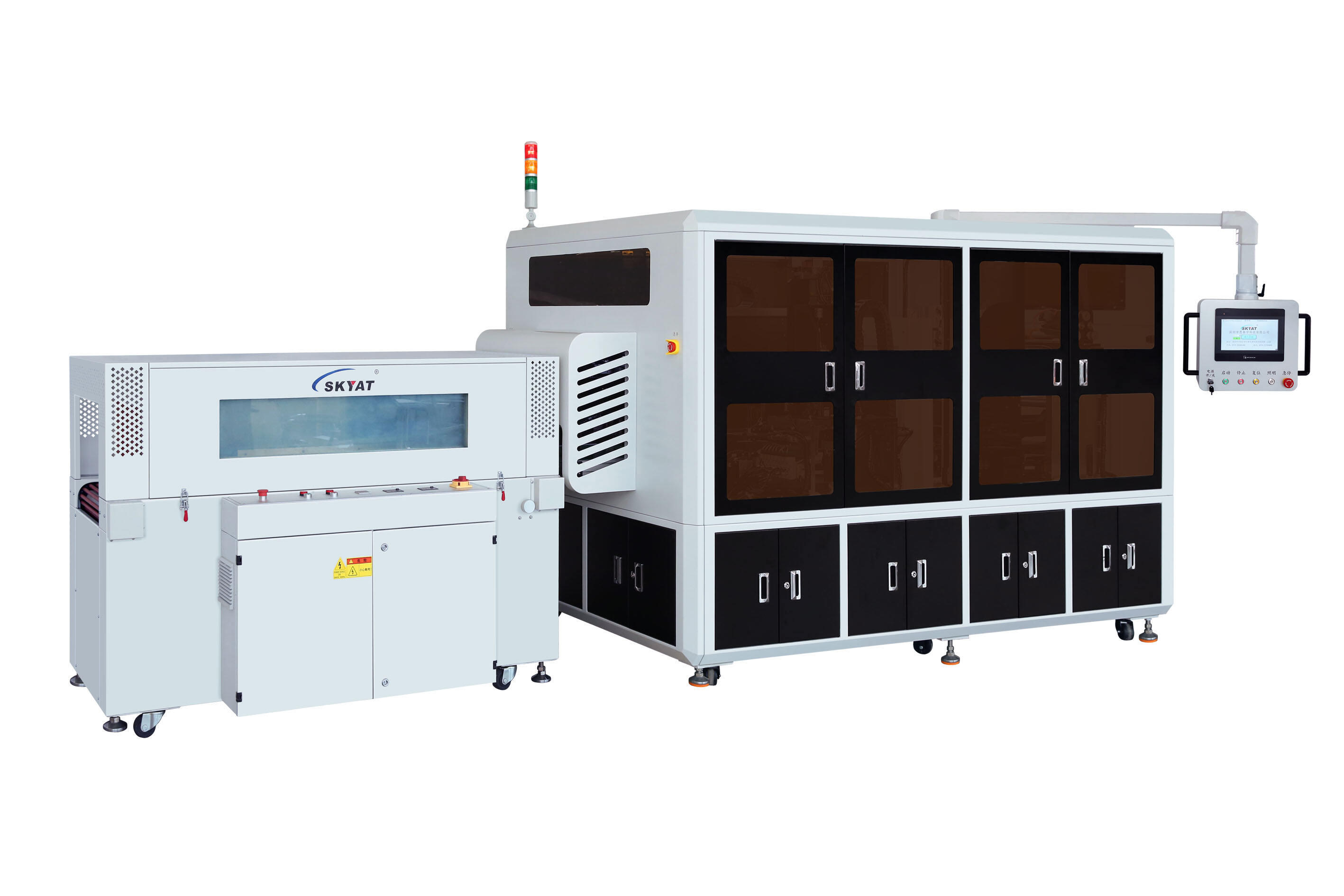
Packaging automation for manufacturing industries is a transformative approach that streamlines packaging processes, enhances productivity, and ensures consistency across a wide range of production lines. From electronic manufacturing and automotive assembly to steel production, food processing including tea, and pharmaceuticals, this automation revolutionizes how products are prepared for distribution, addressing the unique challenges of each sector. In electronic manufacturing, where precision is paramount, automated packaging systems handle delicate smart electronics components with care, using robotic arms and sensors to ensure accurate placement and wrapping. This reduces the risk of damage from manual handling and ensures that each item—whether a small circuit board or a large drone component—is protected by a uniform, secure wrap. Similarly, in automotive manufacturing, automation enables high-speed packaging of parts ranging from small bolts to large panels, keeping pace with the rapid assembly lines and minimizing bottlenecks. For industries like food processing and pharmaceuticals, packaging automation offers critical advantages in terms of hygiene and compliance. Automated systems in tea production facilities, for example, reduce human contact with products, lowering the risk of contamination and ensuring adherence to food safety standards. In pharmaceutical manufacturing, these systems can be designed to maintain sterile environments, handle specialized packaging materials, and include features like tamper-evident seals, all while meeting strict regulatory requirements. Steel and heavy manufacturing industries benefit from the strength and reliability of automated packaging solutions. These systems can handle the weight and size of large steel components, using durable materials and robust machinery to secure products for transportation. Automation also reduces the physical strain on workers, minimizing the risk of injuries and improving overall workplace safety. Flexibility is a key feature of modern packaging automation, allowing systems to adapt to diverse product lines. Manufacturers producing both cosmetics and healthcare products, for instance, can quickly reconfigure automated systems to switch between different packaging requirements—from sleek, branded wraps for cosmetics to sterile, compliance-focused packaging for health products. This adaptability is enhanced by smart technology, including programmable controls and IoT connectivity, which allow for remote monitoring and adjustments, ensuring that the system remains efficient even as production needs change. By integrating packaging automation into manufacturing processes, industries can achieve significant cost savings through reduced labor costs, minimized material waste, and improved efficiency. These systems also provide valuable data insights, helping manufacturers optimize their operations, predict maintenance needs, and make informed decisions to drive continuous improvement. In an era of increasing production demands and evolving consumer expectations, packaging automation is no longer a luxury but a necessity for manufacturing industries looking to stay competitive and efficient.
Copyright © 2025 By Skyat Limited. - Privacy policy