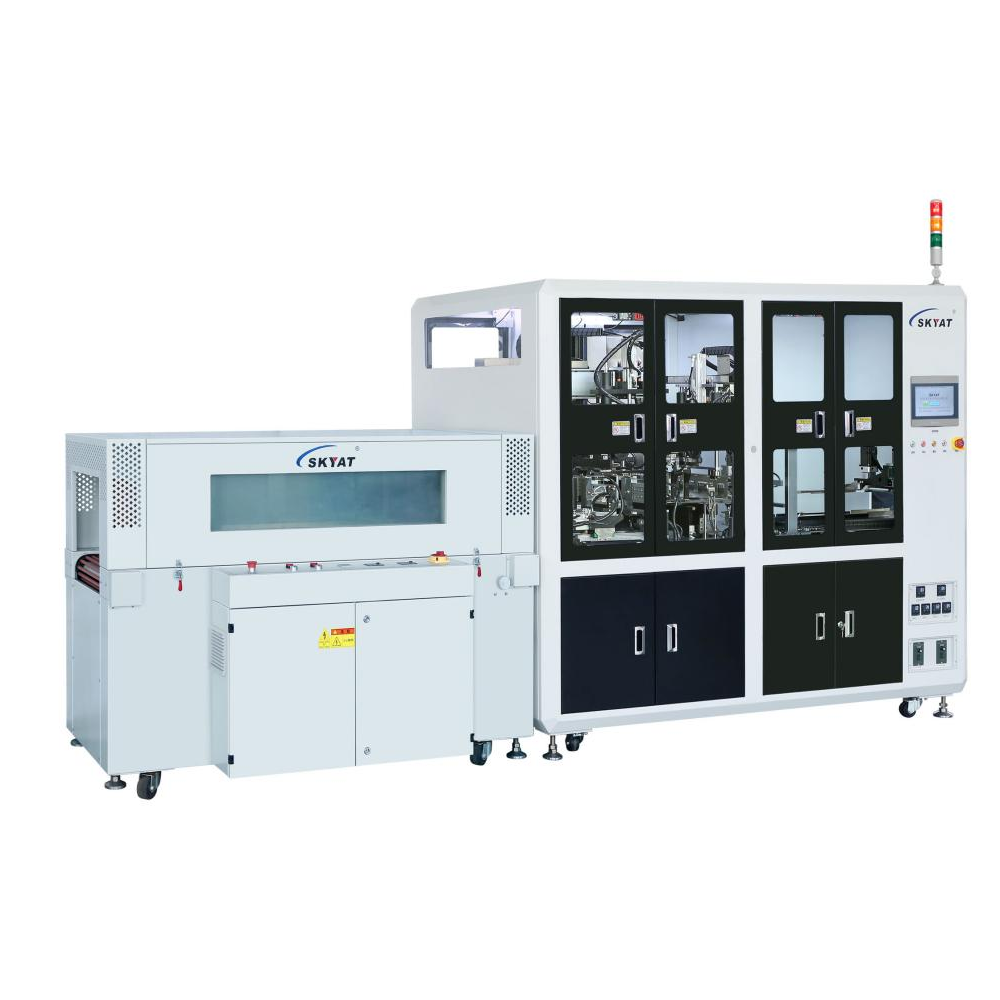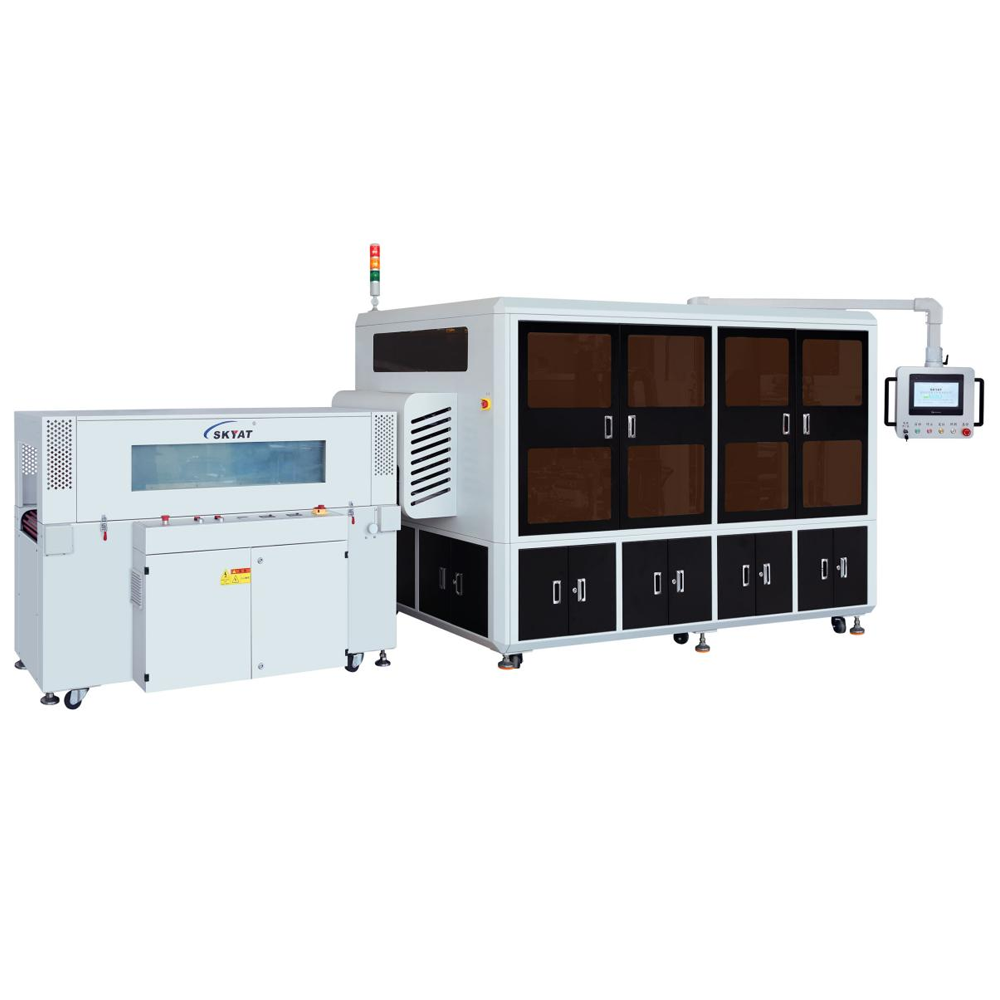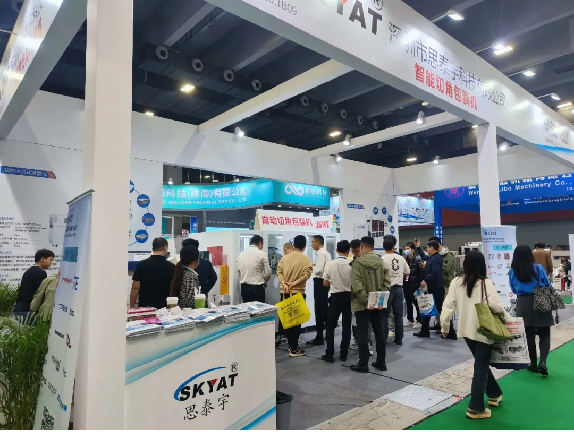
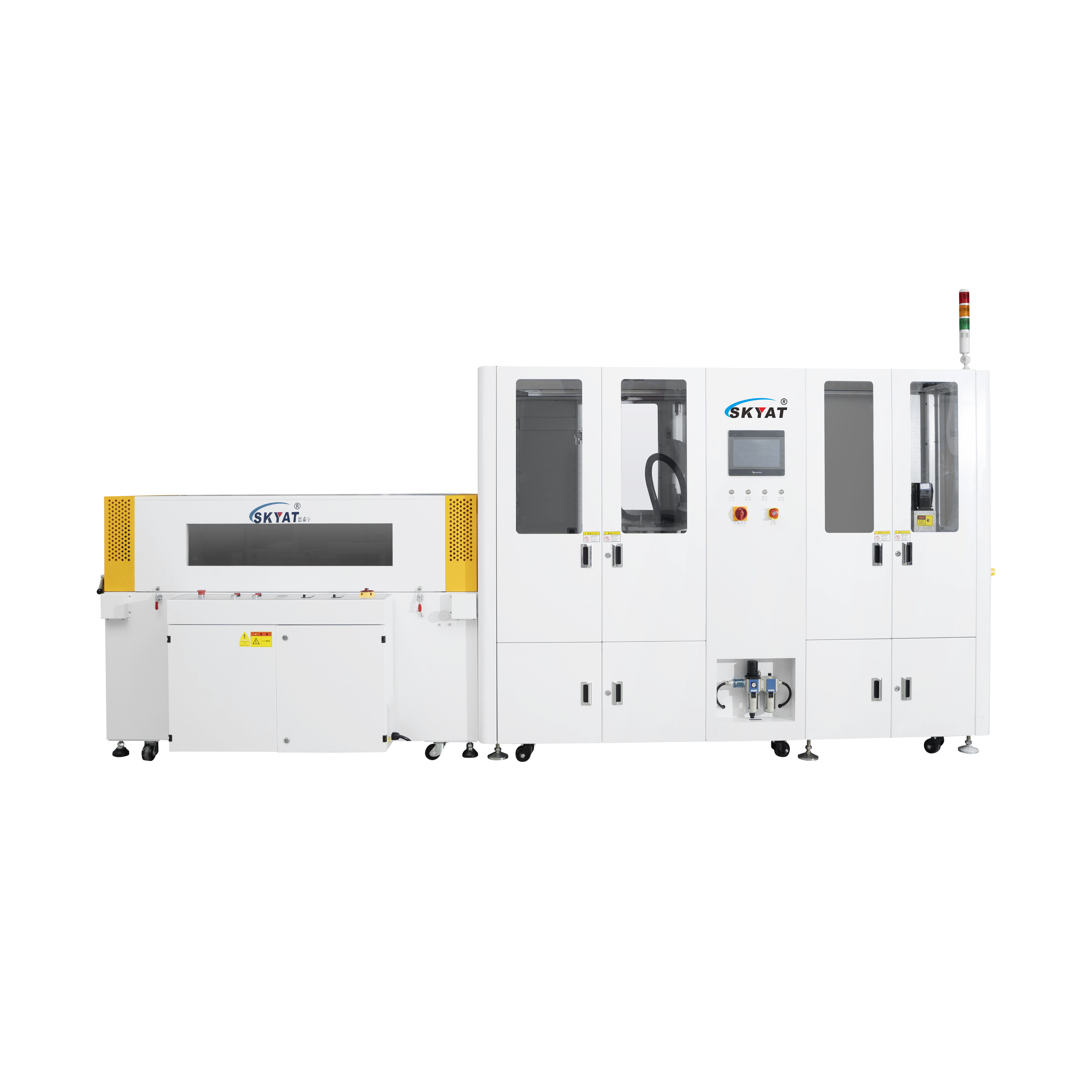
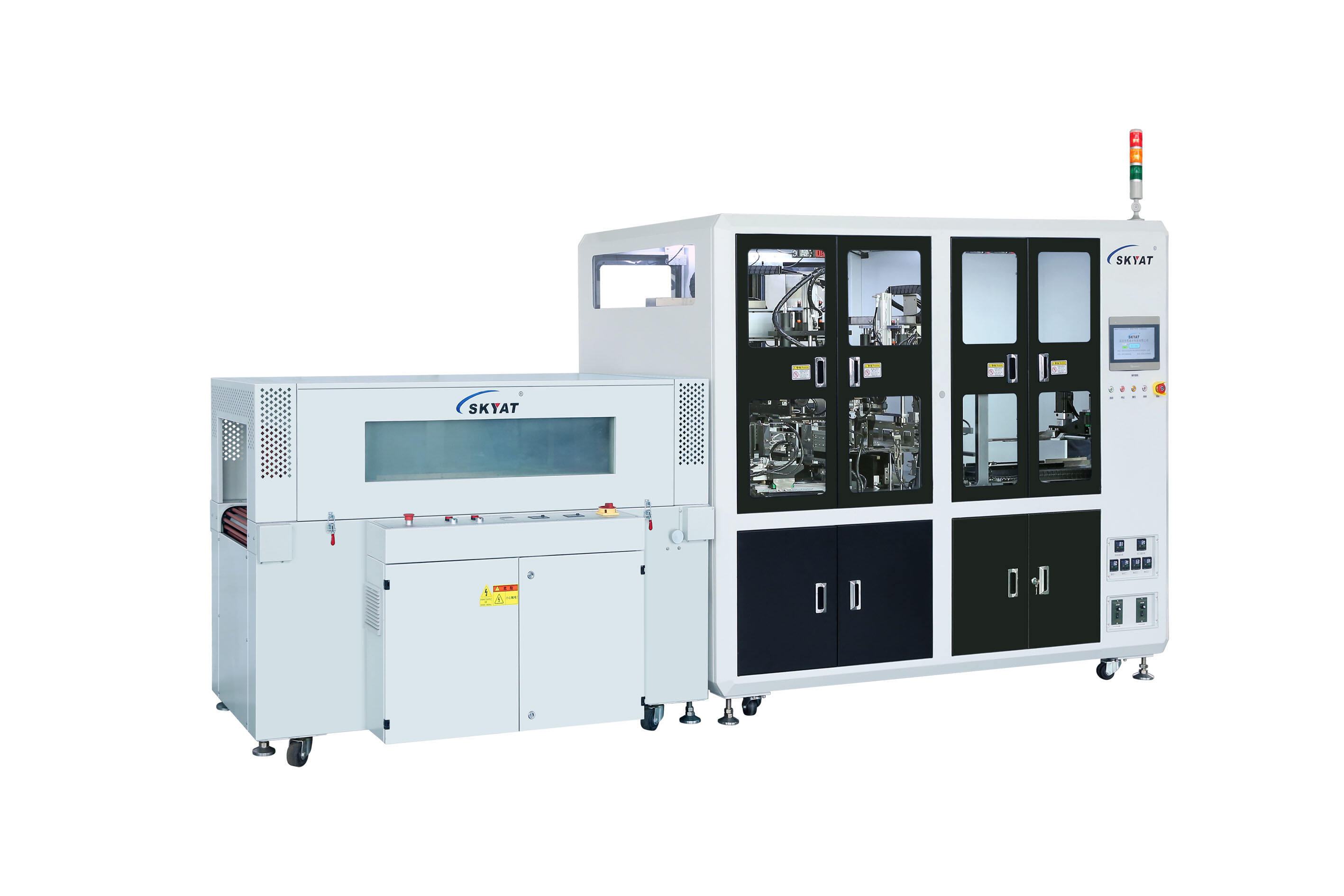
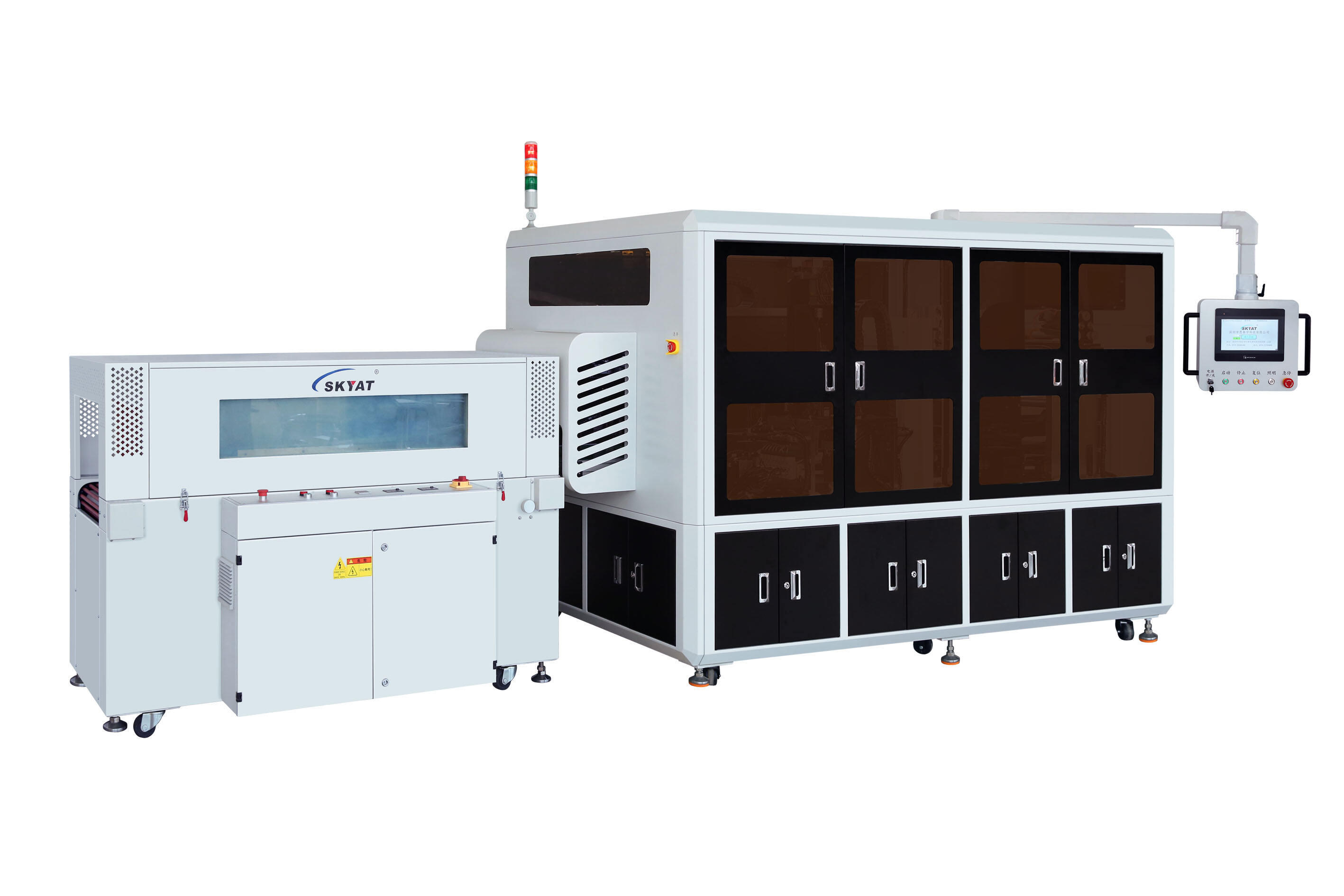
Optimizing packaging for different products requires a strategic approach that considers the unique characteristics of each item, the demands of its industry, and the needs of the supply chain. From delicate electronic components to heavy steel parts, from perishable tea to sterile pharmaceuticals, each product type demands specific packaging solutions to ensure protection, efficiency, and cost-effectiveness. For small, fragile items like smart electronics devices or drone components, optimization focuses on minimizing movement and preventing damage. This can be achieved by using anti-static shrink films to protect against electrostatic discharge and ensuring a tight, uniform wrap that conforms to the product’s shape without applying excessive pressure. Adjustable tension settings on packaging machines allow for precise control, ensuring that delicate parts are secured without being crushed. Additionally, using minimal but sufficient film reduces material waste while maintaining protection—an important consideration for both cost and sustainability, especially for new energy brands prioritizing eco-friendly practices. Heavy or bulky products, such as automotive parts or steel components, require packaging optimized for durability and ease of handling. Reinforced shrink films with high puncture resistance are essential, as is ensuring the packaging can withstand the weight of stacked items during transportation. Optimization here also involves streamlining the wrapping process to handle large volumes efficiently, using machines with extended conveyor systems and high-speed heating elements to keep up with production demands. For irregularly shaped heavy items, custom fixtures or adjustable guides on packaging machines ensure that the film covers all critical areas, preventing shifting during transit. Perishable products like tea, healthcare products, and food items need packaging optimized for freshness and shelf life. This includes using films with excellent barrier properties to block moisture, oxygen, and light. For tea, which is sensitive to humidity and aroma loss, a tight seal with minimal air trapped inside is crucial—achieved by precise temperature control in the shrink wrapping process to ensure the film adheres perfectly to the package. Pharmaceuticals require sterile packaging optimized for compliance, using materials that meet regulatory standards and incorporating tamper-evident features. Machines with sterile construction and filtered air systems help maintain the integrity of these products during packaging. Consumer-facing products such as cosmetics and clothing benefit from packaging optimized for aesthetics and brand visibility. This involves using clear or pre-printed shrink films that showcase the product while providing protection. Precision trimming ensures clean edges, enhancing the overall presentation. For clothing items, which may vary in size and shape, adjustable packaging machine settings allow for quick changes between different garment types, ensuring a consistent, professional look across the product line. Optimization also extends to efficiency and sustainability. For high-volume industries like game console manufacturing, optimizing packaging involves matching machine speed to production line output, reducing downtime, and minimizing film waste through accurate cutting and tension control. Using recyclable or biodegradable films aligns with the sustainability goals of many industries, including new energy and food processing, without compromising on protection. By tailoring packaging materials, machine settings, and processes to each product’s unique needs, businesses can achieve optimal results in terms of protection, cost, and brand perception.
Copyright © 2025 By Skyat Limited. - Privacy policy