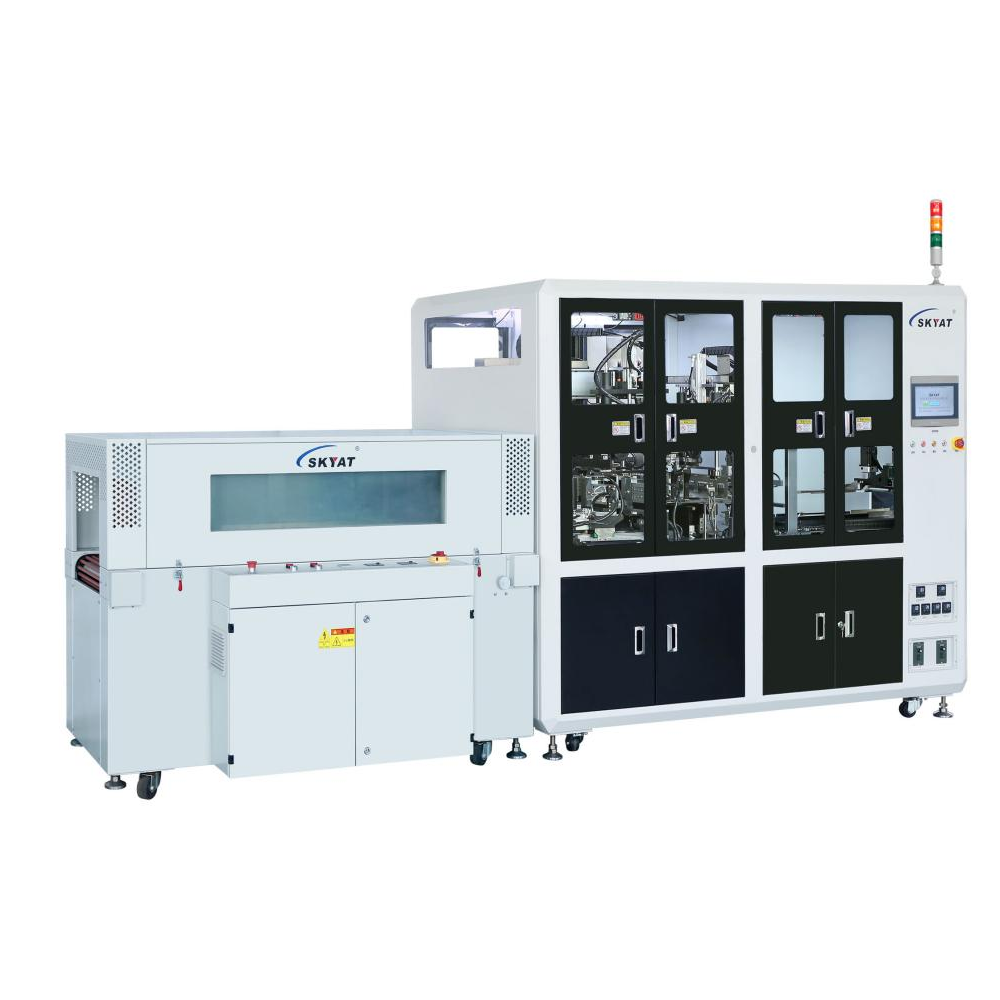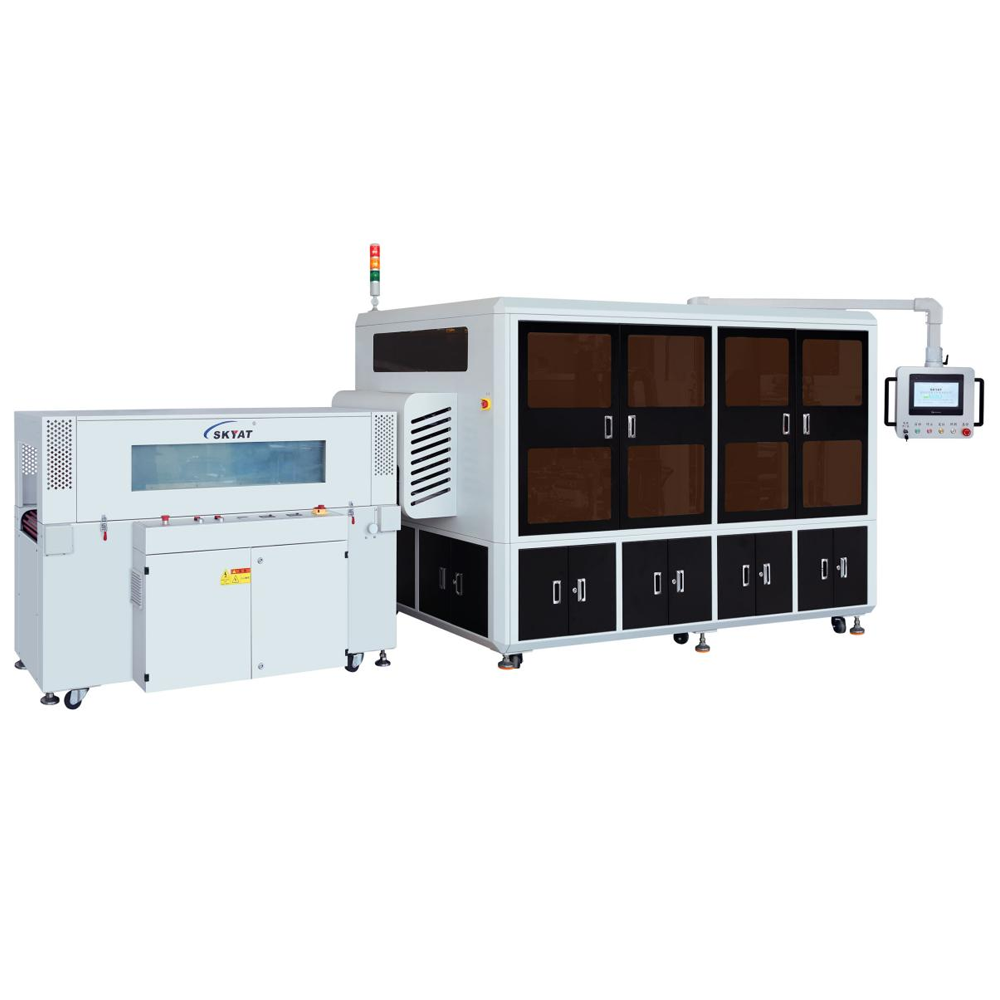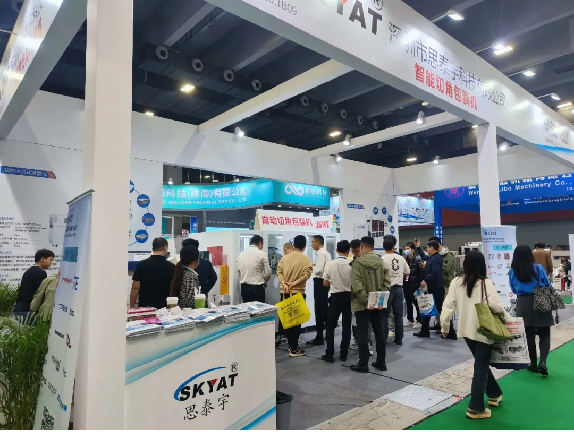
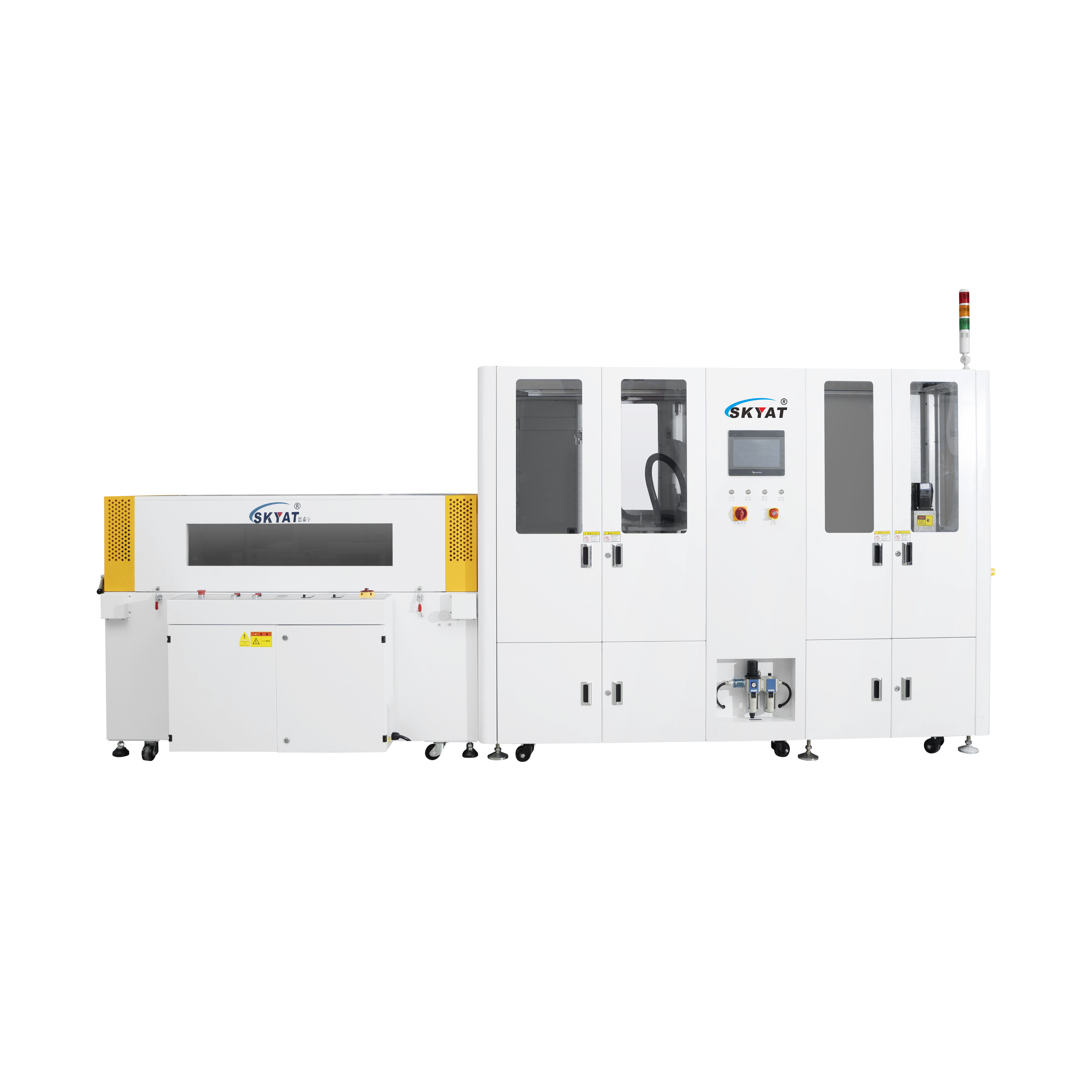
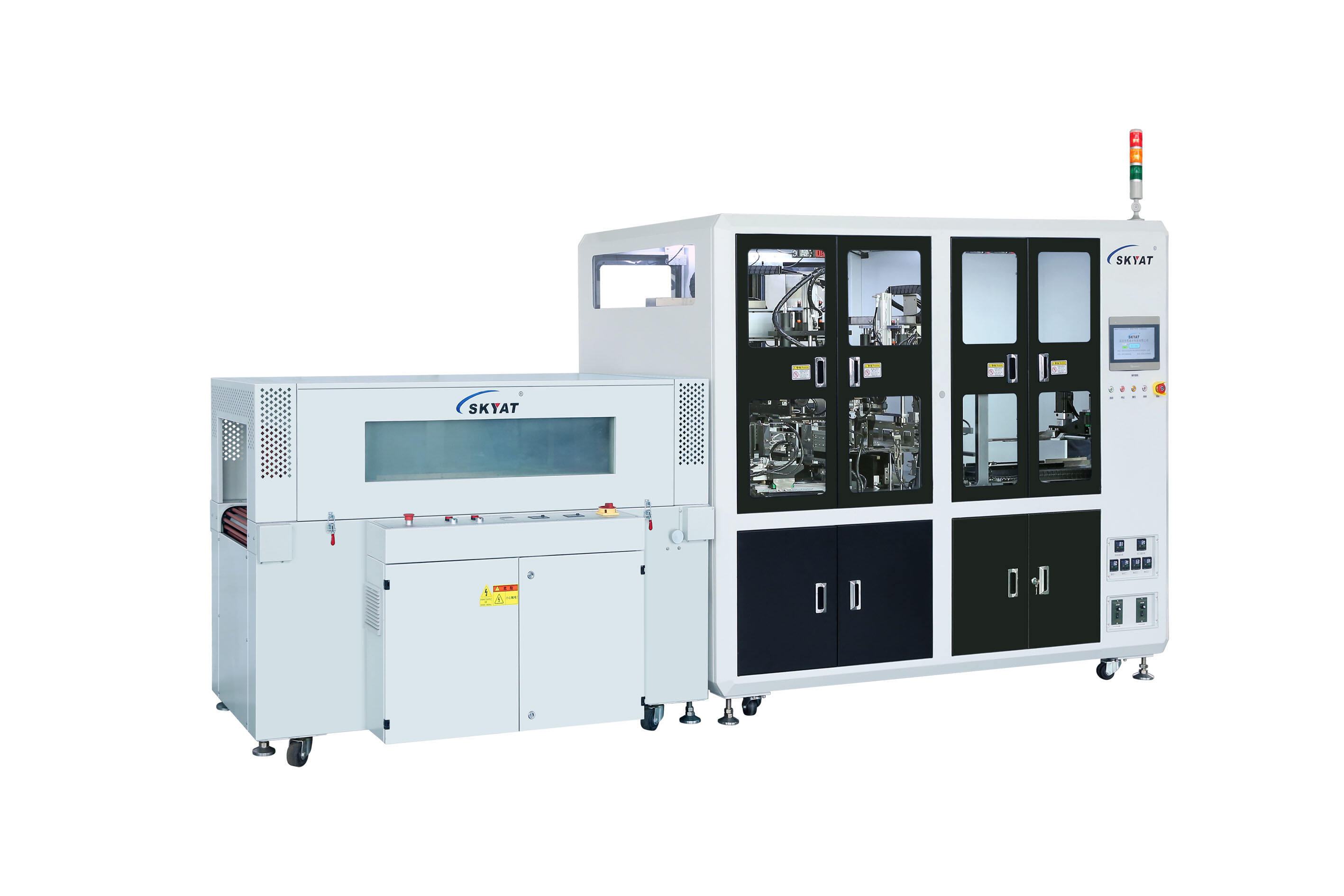
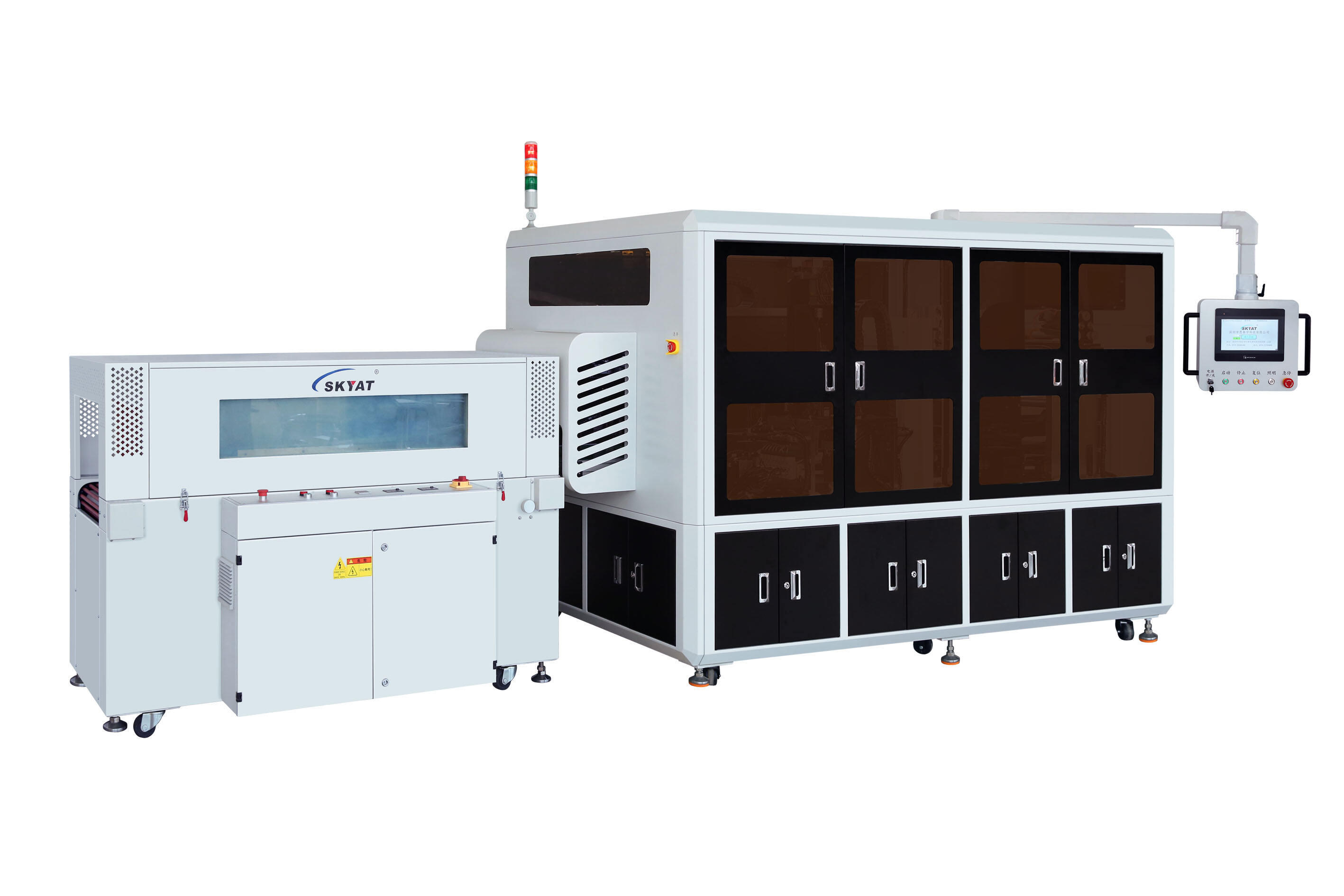
The adaptability of intelligent machines compared to conventional ones is a game-changer for industries spanning electronic manufacturing, pharmaceuticals, tea processing, automotive, and beyond. Intelligent machines are engineered to evolve with changing production needs, while conventional equipment often struggles to keep up with variations in product size, material, or demand. Intelligent machines excel at handling diverse product specifications with minimal manual intervention. For instance, in a facility producing both smart electronics and drone components, an intelligent shrink wrap machine can store multiple pre-programmed settings for different sizes and shapes. With a simple selection on its touchscreen interface, it adjusts conveyor speed, film tension, and heating parameters in seconds—eliminating the need for time-consuming manual recalibration. Conventional machines, by contrast, require operators to physically adjust knobs, guides, and heating elements, a process that’s not only slow but also prone to human error, especially when switching between small cosmetic jars and large steel parts. Material versatility is another area where intelligent machines outshine conventional ones. They seamlessly adapt to various shrink films, from anti-static options for electronics to biodegradable films favored by new energy brands. Sensors in intelligent machines detect film thickness and composition, automatically fine-tuning heat levels to prevent burning or inadequate shrinking. Conventional machines, designed for specific film types, often produce subpar results when switched to alternative materials, leading to wasted film and inconsistent packaging—particularly problematic for industries like pharmaceuticals, where compliance with material standards is critical. Intelligent machines thrive in dynamic production environments. For example, a tea processing plant experiencing seasonal demand spikes can rely on an intelligent packaging system to scale output by 50% without sacrificing quality, as its adaptive algorithms optimize workflow in real time. Conventional machines, with fixed speed and capacity, may require additional shifts or equipment rentals to meet peak demand, increasing costs and complexity. Similarly, in healthcare products manufacturing, where batch sizes vary, intelligent machines adjust their operation to handle small runs efficiently, whereas conventional equipment often wastes material on setup for short production cycles. Integration with other systems enhances intelligent machines’ adaptability. They connect with ERP software, inventory trackers, and quality control tools, allowing for data-driven adjustments. If a batch of ceramic tiles is slightly larger than usual, the intelligent machine receives real-time data from upstream sensors and modifies its wrapping pattern—something conventional machines can’t do without manual input. This connectivity ensures seamless alignment with the entire production line, a boon for industries like game console manufacturing, where precision and speed are intertwined. In essence, the adaptability of intelligent machines stems from their ability to learn, adjust, and integrate—qualities that make them indispensable for modern industries navigating diverse products, materials, and market demands. Conventional machines, while reliable for static workflows, lack the flexibility to thrive in today’s fast-evolving manufacturing landscape.
Copyright © 2025 By Skyat Limited. - Privacy policy