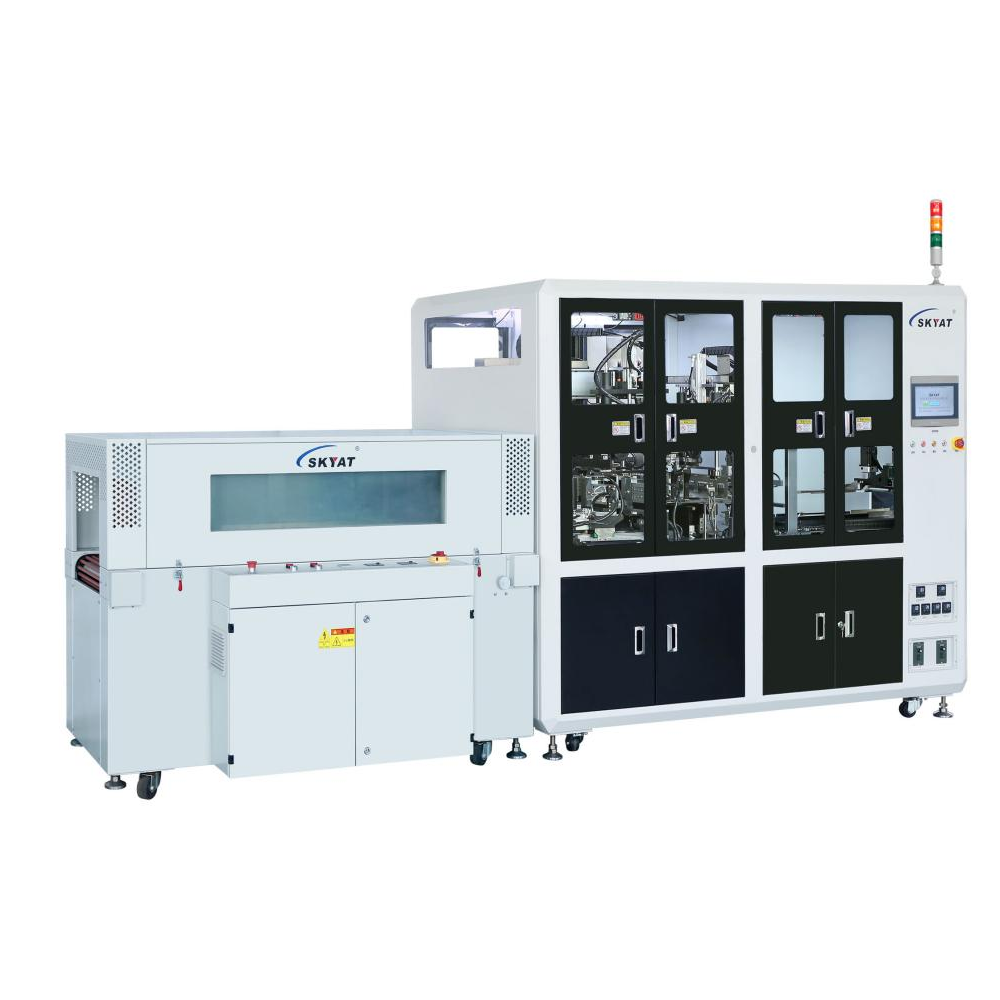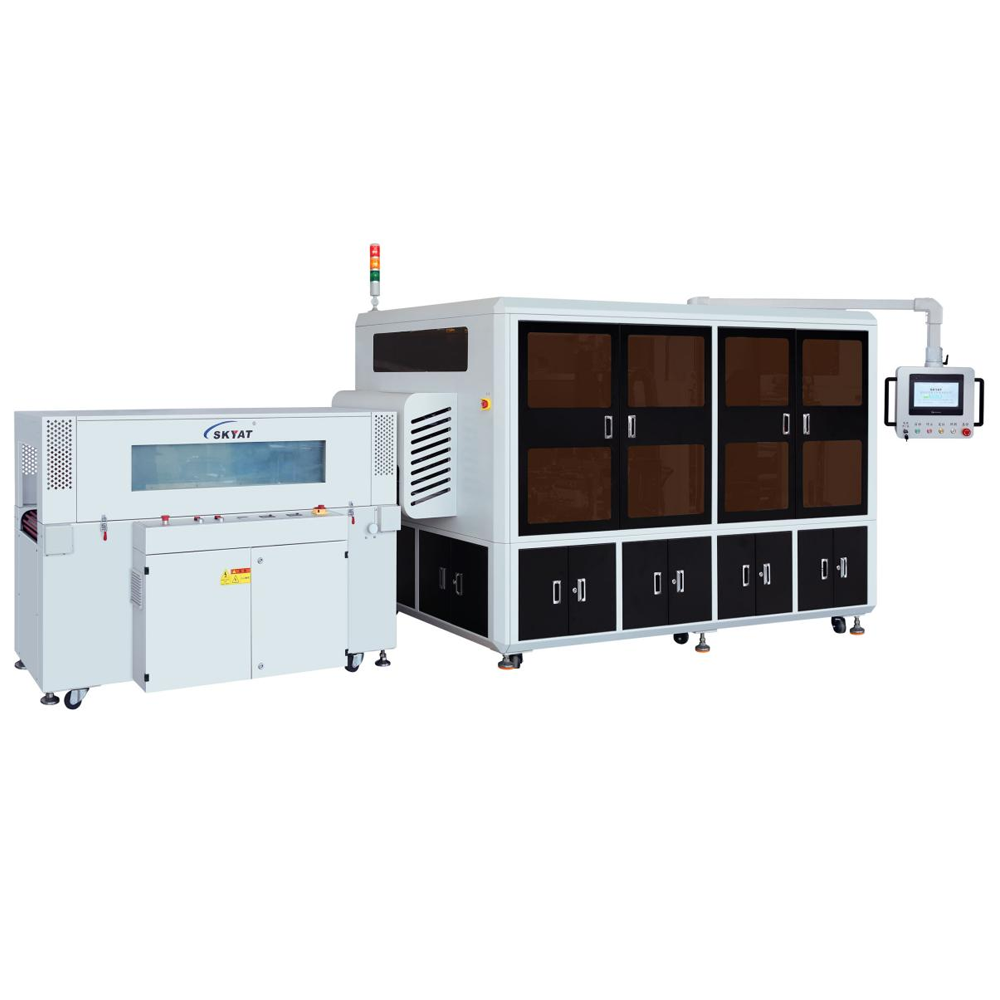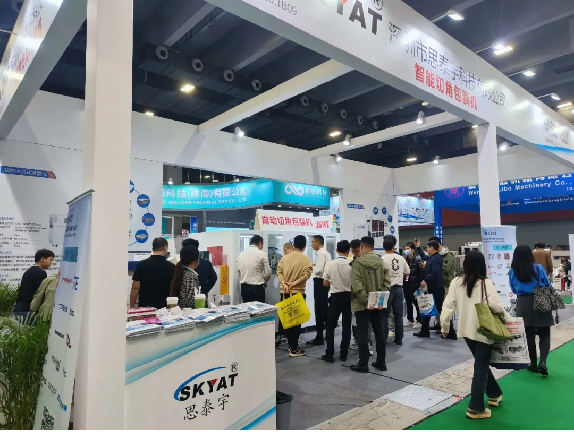
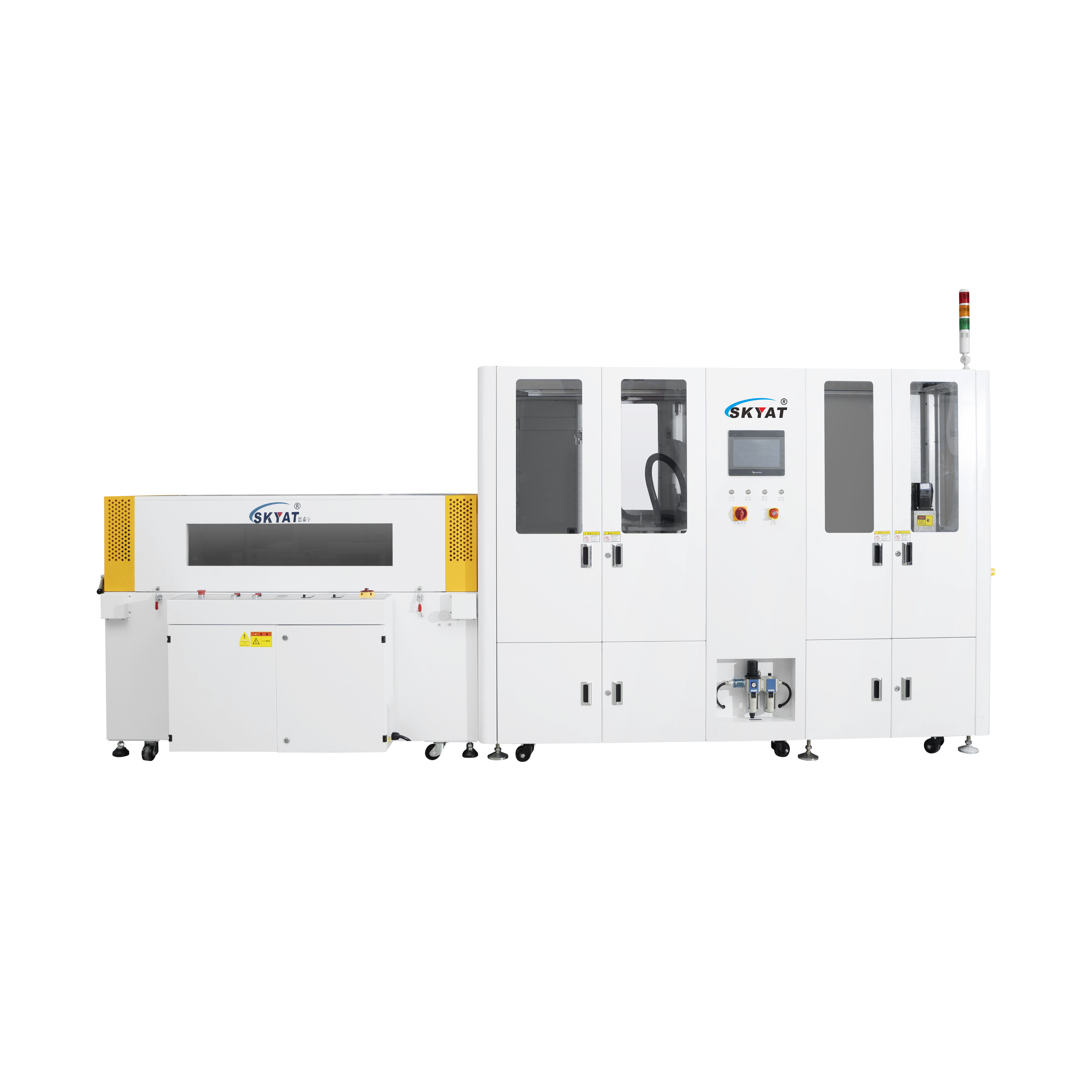
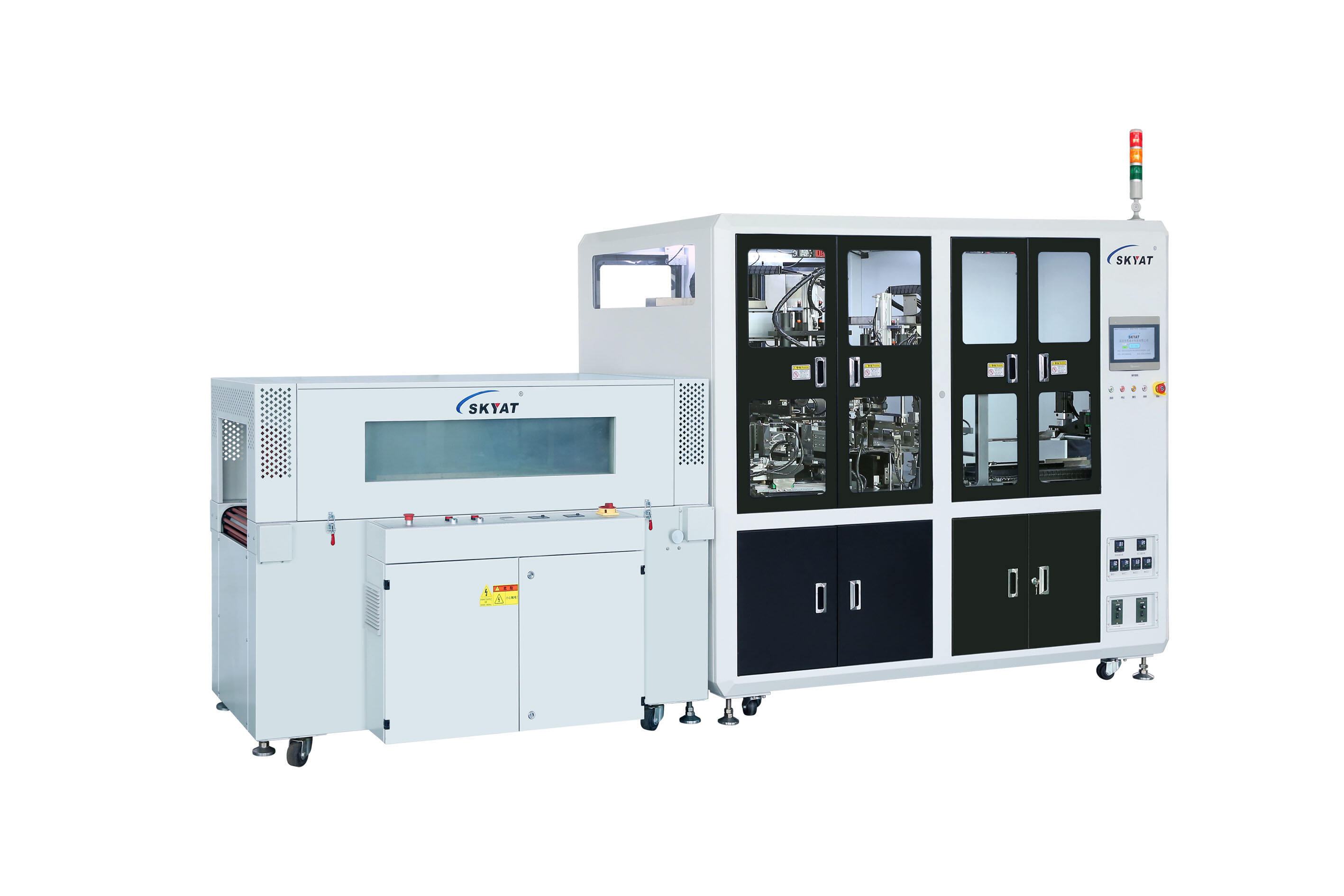
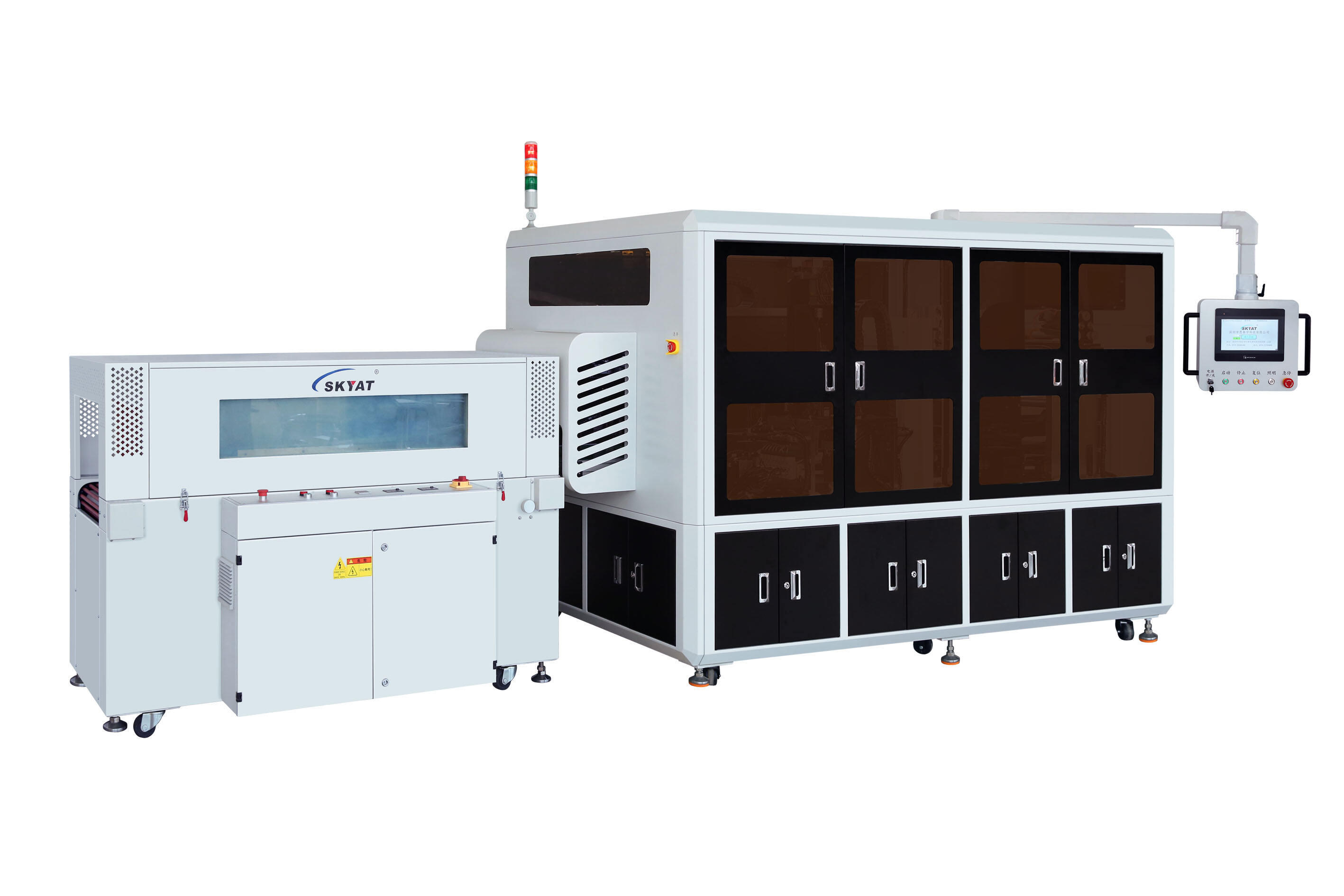
Ensuring quality in packaging processes is essential across all industries, from electronic manufacturing and pharmaceuticals to food processing including tea, automotive, and cosmetics. Quality packaging not only protects products but also upholds brand reputation, ensures regulatory compliance, and enhances customer satisfaction. Achieving consistent quality requires a combination of robust processes, advanced technology, and vigilant monitoring. Implementing standardized operating procedures SOPs is the foundation of quality assurance in packaging. These procedures outline every step of the process, from machine setup and film loading to product feeding and final inspection, ensuring that each operator follows the same steps. For example, in pharmaceutical packaging, SOPs detail how to maintain sterile conditions, handle films, and verify seal integrity—critical for meeting FDA and GMP standards. In electronic manufacturing, SOPs specify anti-static protocols to prevent damage to smart electronics components, including proper grounding of machines and operators. Regular equipment maintenance is another key factor. Packaging machines, whether used for wrapping tea bags or steel parts, must be calibrated and inspected regularly to ensure they function within optimal parameters. This includes checking heating elements for uniform temperature distribution, verifying sensor accuracy for product detection, and ensuring film tension controls are working correctly. Preventive maintenance schedules, tailored to the machine’s usage and the industry’s demands, help identify and address wear and tear before it affects quality. For instance, in high-volume industries like game console manufacturing, daily checks of conveyor belts and cutting blades prevent jams and ensure consistent wrapping. Real-time monitoring and inspection technologies play a vital role in quality control. Modern packaging lines are equipped with sensors and cameras that detect defects such as loose seals, wrinkled film, or misaligned products. In the cosmetics industry, where packaging aesthetics are crucial, these systems can identify even minor imperfections in printed films, ensuring only flawless packages reach customers. For food and pharmaceutical products, including tea and healthcare products, inline inspection systems check for proper sealing to prevent contamination and ensure compliance with safety standards. Defective items are automatically rejected, minimizing the risk of substandard products entering the supply chain. Employee training is essential for maintaining quality. Operators must understand how to operate machines correctly, recognize signs of quality issues, and follow SOPs diligently. Training programs should cover machine calibration, troubleshooting common problems, and the importance of quality in their specific industry—for example, explaining how a loose seal in pharmaceutical packaging can compromise sterility. Regular refresher courses ensure that operators stay updated on new technologies or process changes, such as the introduction of eco-friendly films for new energy product lines. Finally, continuous improvement through data analysis helps refine packaging processes. By tracking quality metrics—such as defect rates, material waste, and machine performance—businesses can identify trends and implement targeted improvements. For example, if data shows that a particular product type frequently has wrinkled film, adjustments can be made to the machine’s temperature settings or film tension. This data-driven approach ensures that quality remains a priority, adapting to changing product lines and industry demands.
Copyright © 2025 By Skyat Limited. - Privacy policy