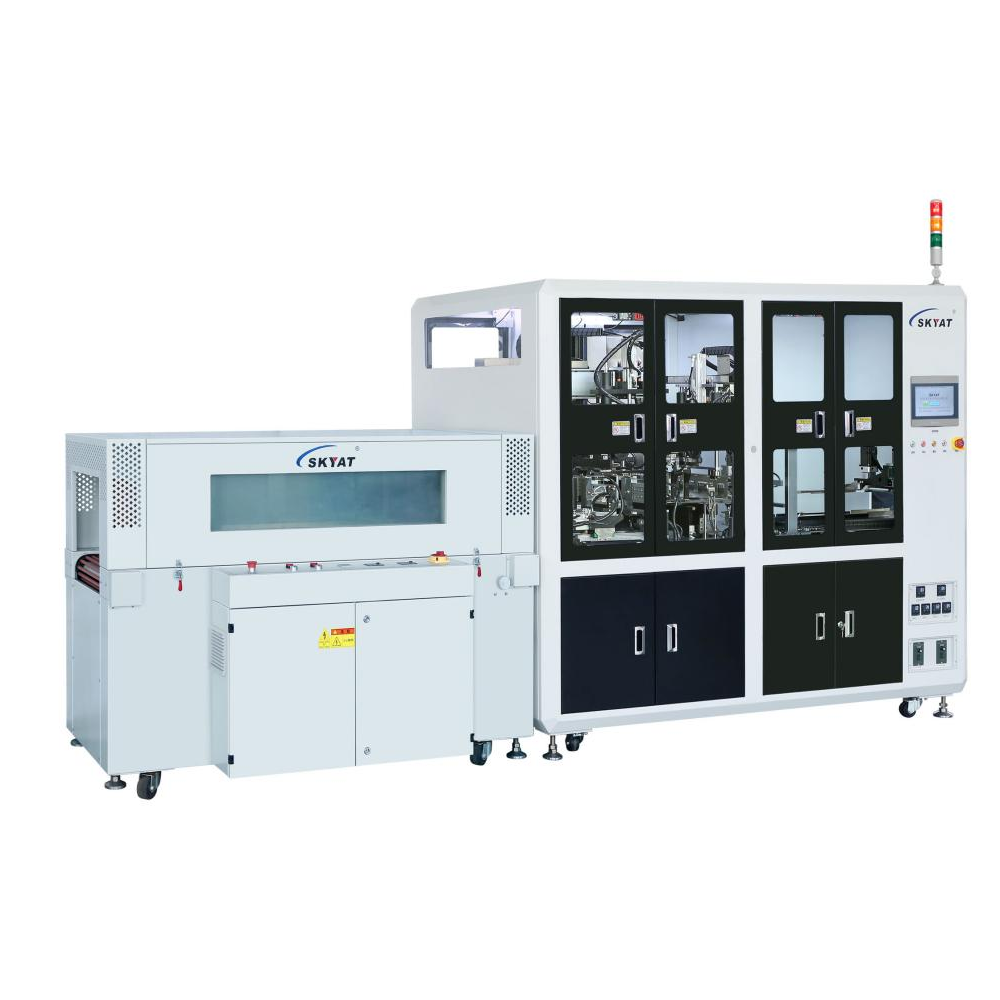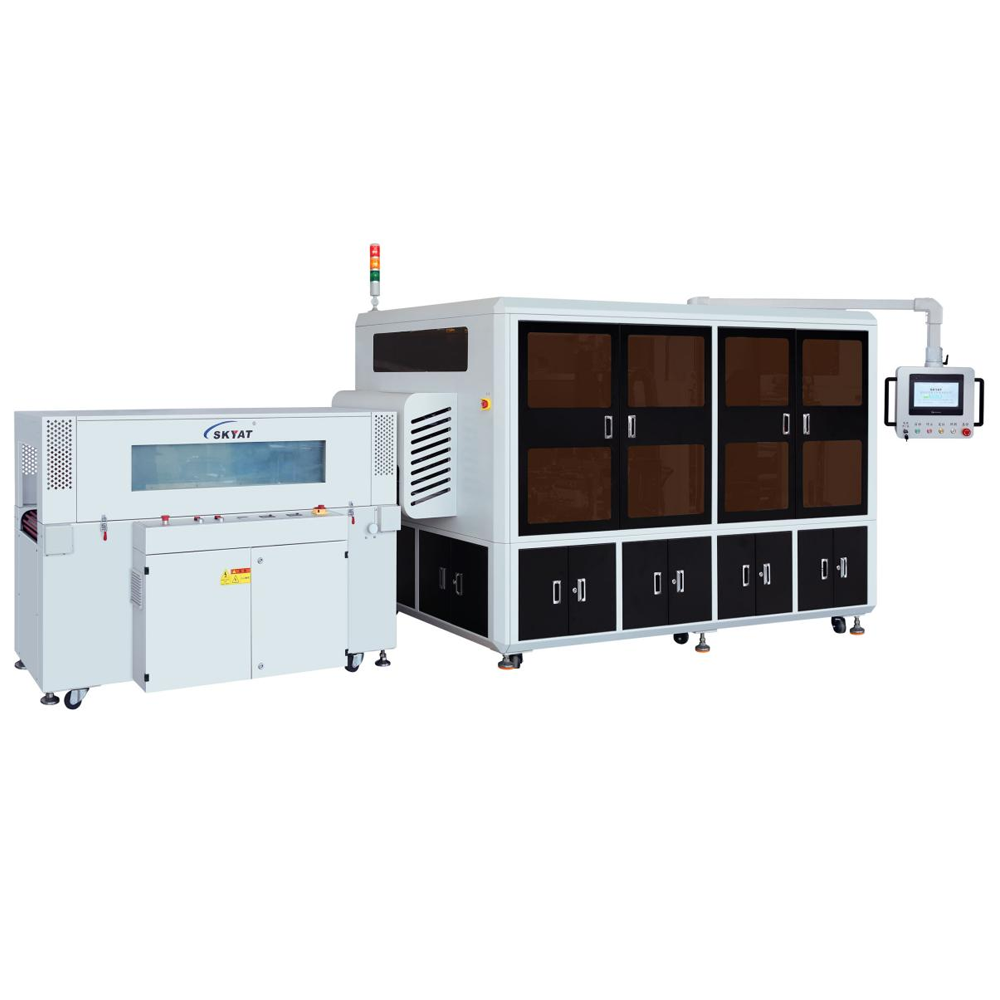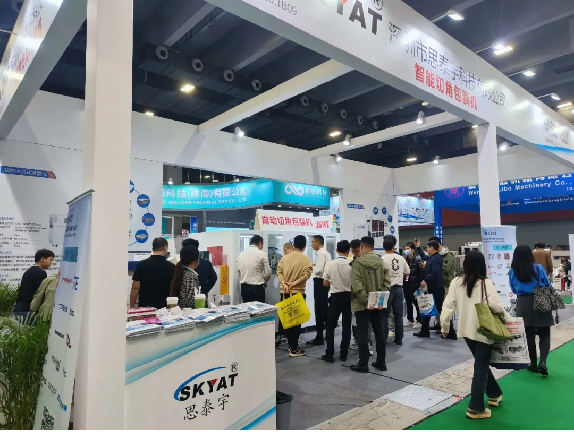
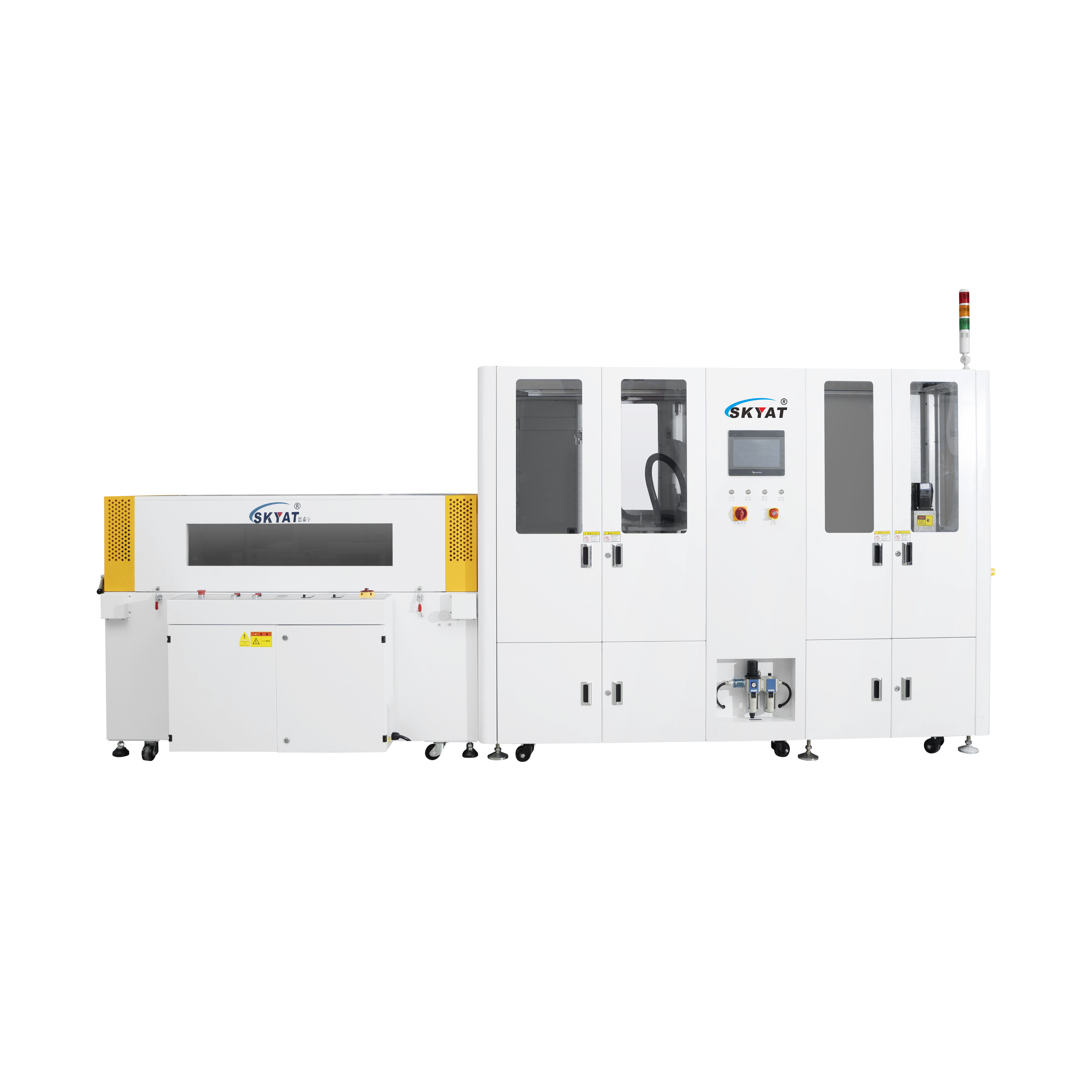
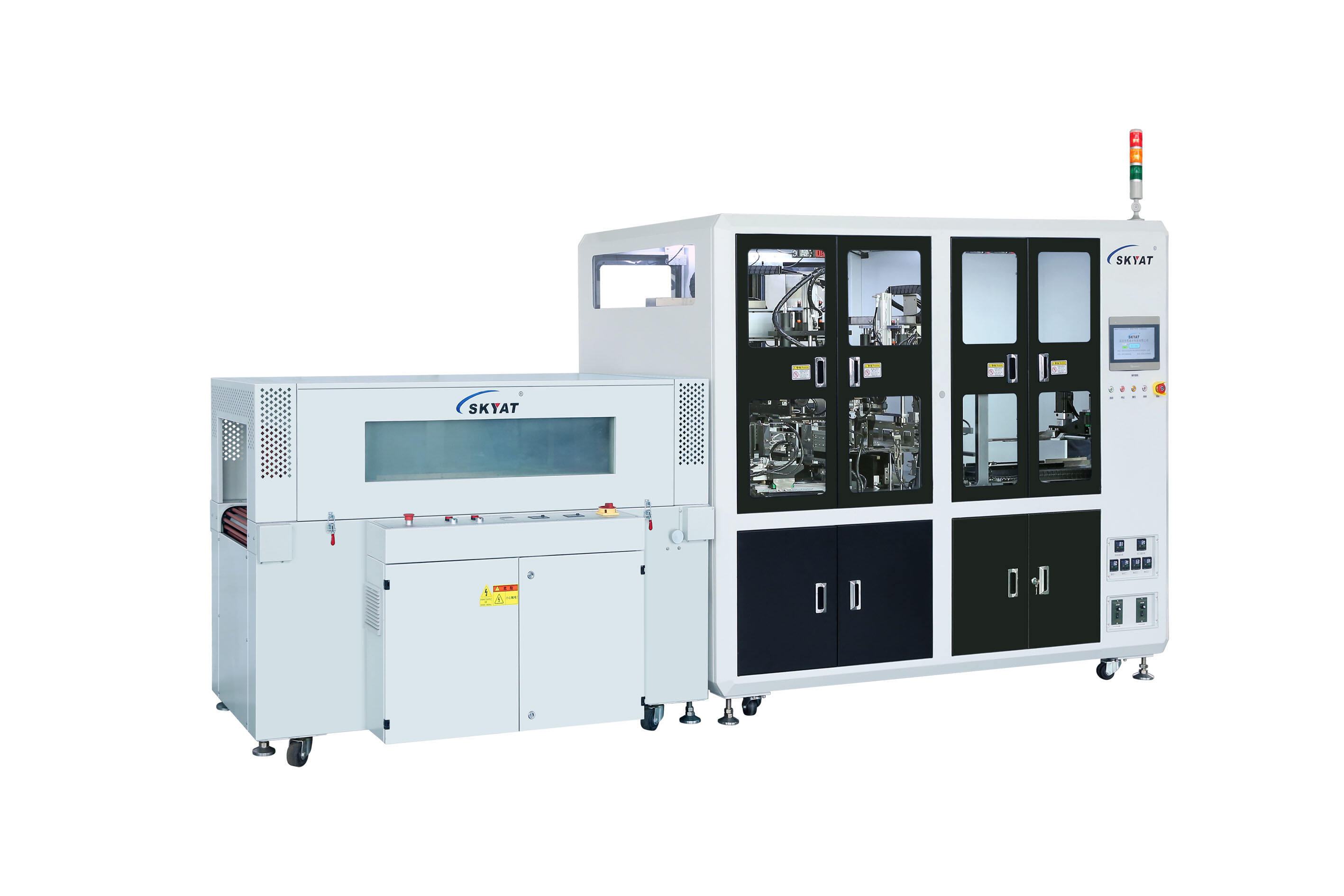
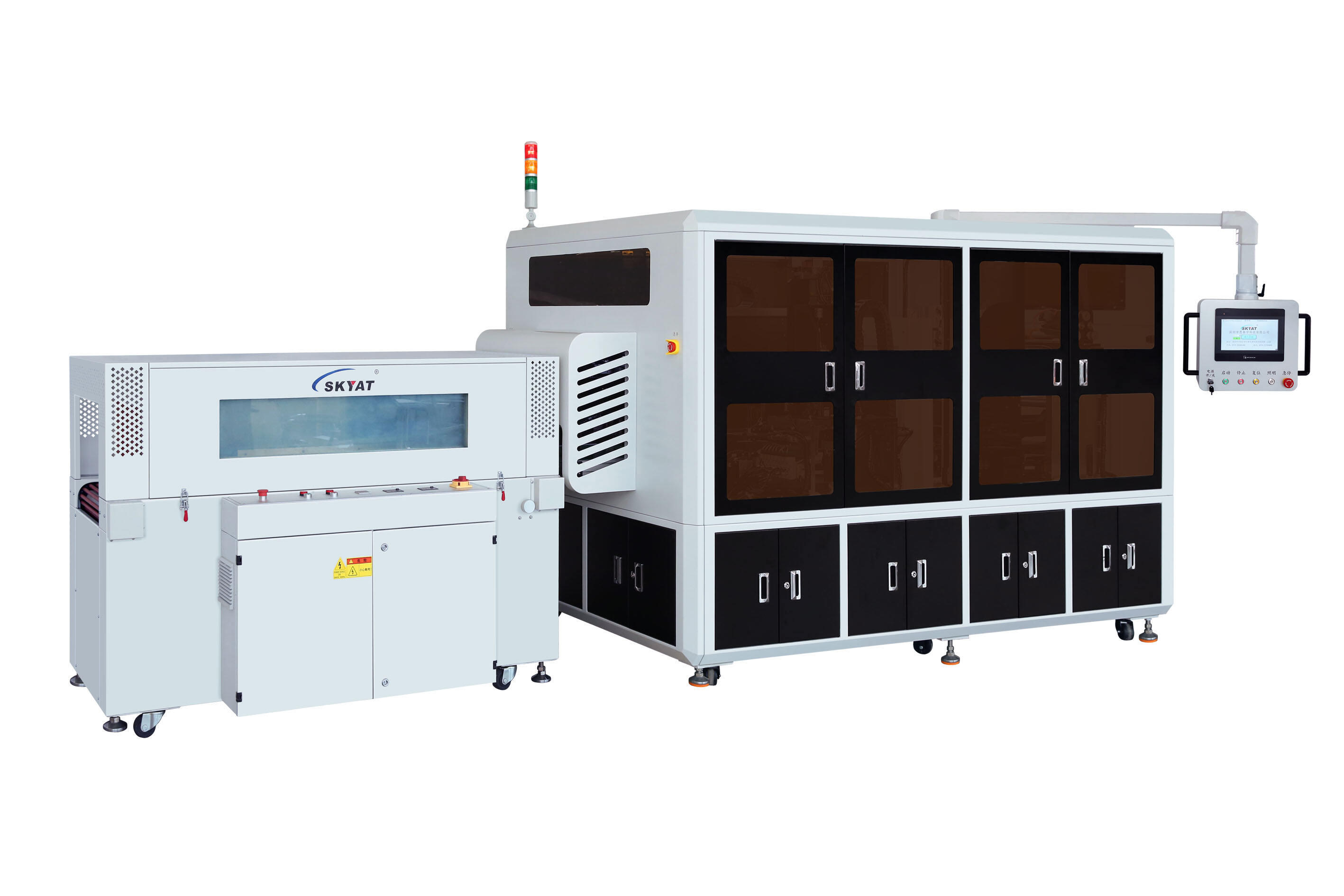
Future trends in intelligent packaging equipment are poised to revolutionize industries from electronic manufacturing and pharmaceuticals to tea processing, automotive, and new energy sectors, driven by advancements in AI, sustainability, and connectivity. These trends will redefine efficiency, sustainability, and functionality, addressing the unique needs of each industry while pushing the boundaries of what packaging systems can achieve. AI-driven predictive maintenance will become standard, transforming how businesses manage equipment uptime. Future intelligent packaging machines will use machine learning algorithms to analyze historical performance data, identifying patterns that precede failures—such as subtle temperature fluctuations in heating elements used for packaging smart electronics. This allows for proactive part replacement, reducing unplanned downtime by up to 40% compared to current systems. For high-volume industries like automotive manufacturing, where every minute of downtime costs thousands, this trend will be a critical competitive advantage. Sustainability will take center stage, with equipment designed to minimize environmental impact. Next-generation machines will prioritize energy efficiency, using low-power sensors and heat recovery systems to cut electricity use by 30%. They’ll also integrate seamlessly with fully compostable or recyclable films, featuring precision cutting to reduce waste by optimizing material usage—ideal for tea brands and new energy companies aiming to meet strict eco-certifications. Some models may even incorporate biodegradable film dispensers that eliminate plastic components, aligning with global efforts to reduce industrial waste. Hyper-personalization capabilities will emerge, catering to industries where packaging is a key part of brand identity. Intelligent equipment will support on-the-fly customization, such as printing variable QR codes or logos on shrink film for cosmetics or limited-edition game consoles, without slowing production. This trend will empower small-batch producers, like boutique healthcare products makers, to compete with larger brands by offering unique packaging at scale—something conventional machines can’t achieve cost-effectively. Enhanced human-machine collaboration will redefine operator roles. Future systems will feature augmented reality AR interfaces that guide operators through complex tasks, such as troubleshooting jams in drone component packaging lines, reducing training time and errors. Voice commands and gesture controls will allow hands-free operation, improving safety in environments like steel manufacturing, where operators may wear protective gear. Conventional machines, reliant on manual controls and specialized training, will struggle to match this level of accessibility. Finally, global connectivity will enable remote optimization. Manufacturers with facilities across regions will use cloud-based platforms to monitor and adjust intelligent packaging equipment in real time, ensuring consistent quality from a tea factory in one country to a pharmaceutical plant in another. This trend will streamline compliance with international standards, a boon for industries like electronics, where products are shipped worldwide. As these trends unfold, intelligent packaging equipment will become not just a tool for packaging, but a strategic asset driving innovation across diverse sectors.
Copyright © 2025 By Skyat Limited. - Privacy policy