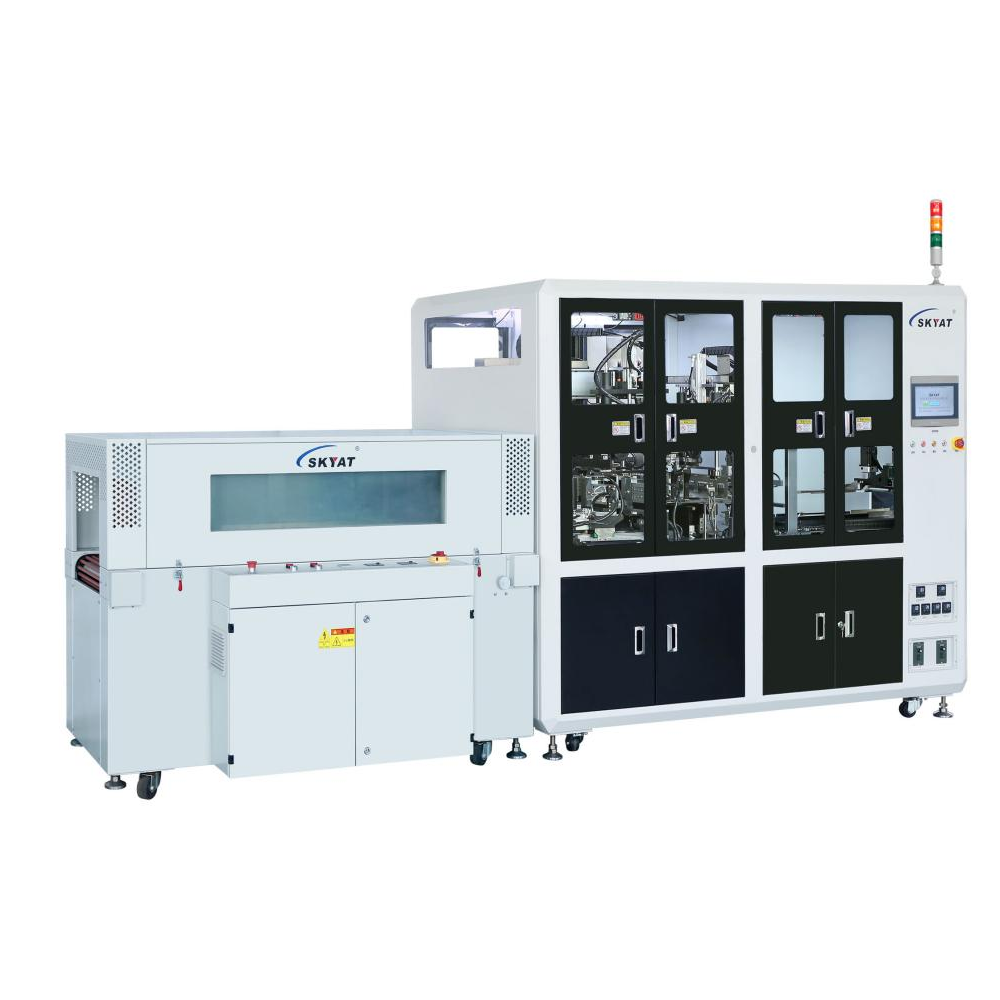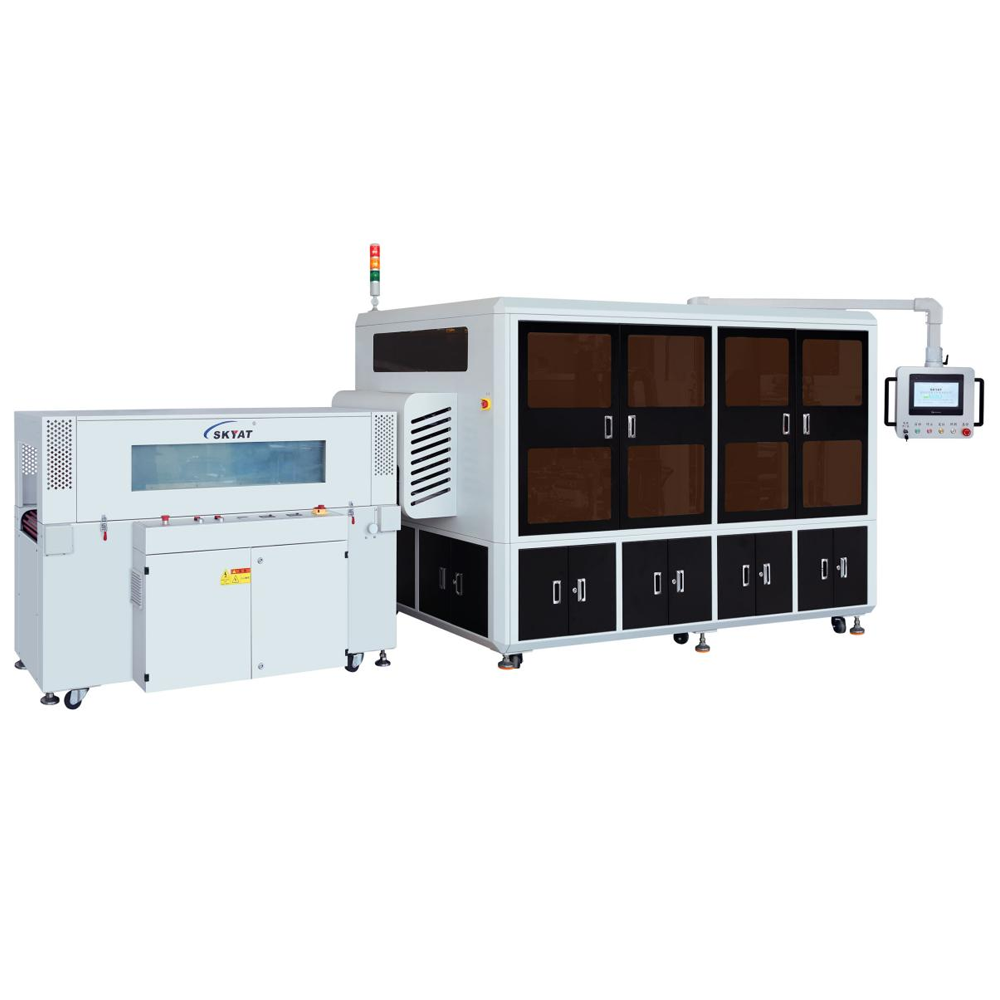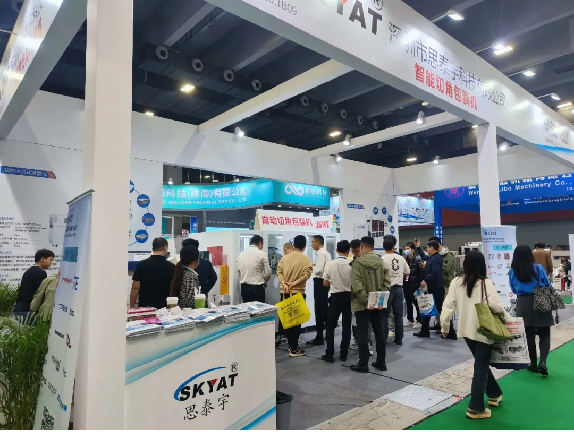
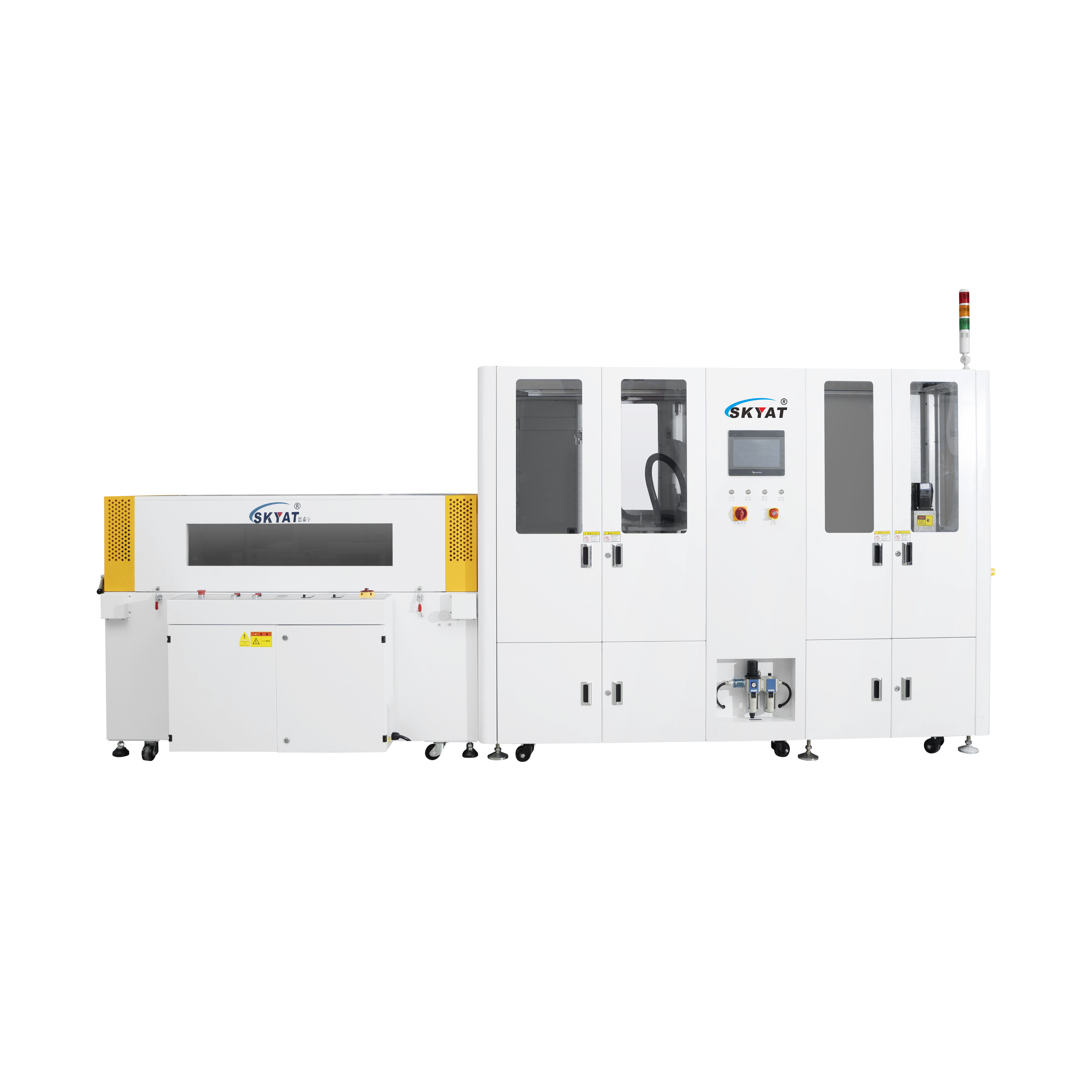
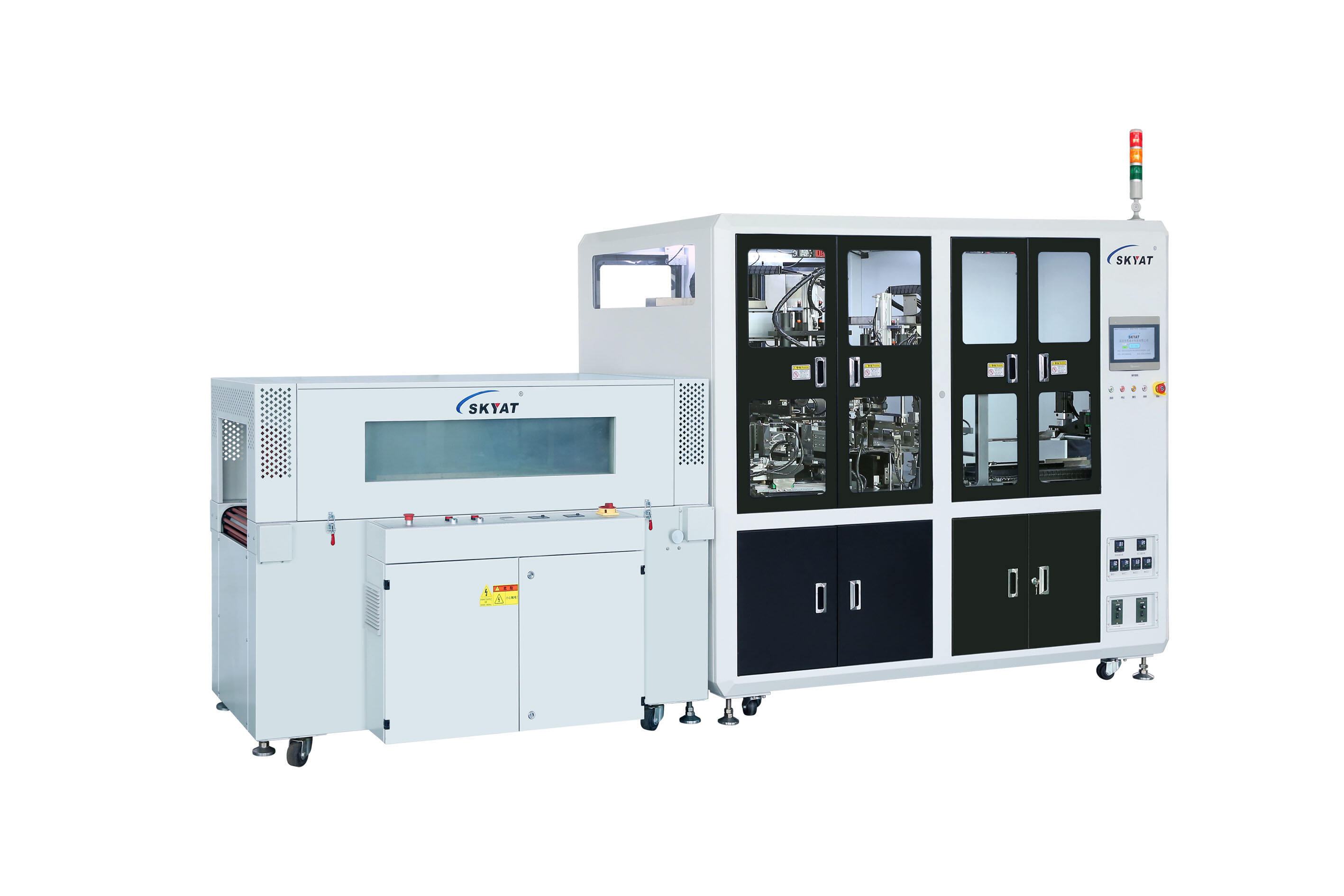
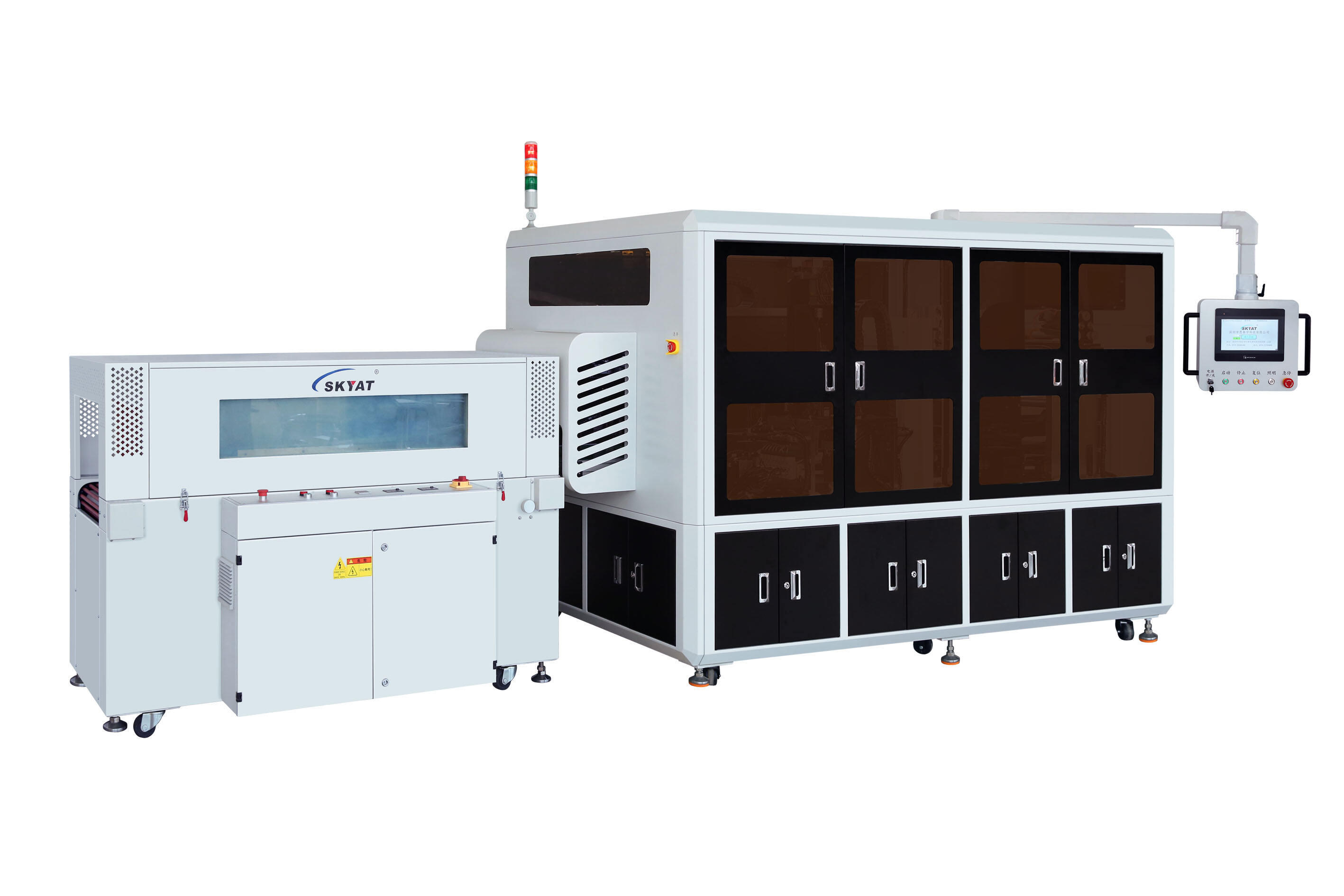
The durability of intelligent equipment versus standard machines is a critical consideration for businesses across industries, as it directly impacts long-term operational costs, productivity, and reliability. Intelligent equipment, equipped with advanced technology and robust construction, often outperforms standard machines in terms of longevity and resistance to wear and tear, especially in demanding environments such as manufacturing, food processing, and heavy industries. Intelligent packaging equipment, designed for sectors like electronic manufacturing and automotive production, is built with high-quality materials that withstand continuous use. For example, stainless steel frames and components resist corrosion, making them ideal for environments where moisture or chemicals are present—such as in pharmaceutical facilities or tea processing plants where hygiene is paramount. These machines also feature advanced lubrication systems and wear-resistant parts, such as hardened steel gears and ceramic heating elements, which reduce friction and extend component life. In contrast, standard machines may use lower-grade materials, such as painted steel or plastic components, which are more prone to rust, cracking, or degradation over time, especially in high-volume or harsh conditions. The adaptive technology in intelligent equipment contributes to its durability. Smart sensors monitor machine performance in real-time, detecting early signs of wear—such as abnormal vibrations in conveyor motors or fluctuations in heating element efficiency. This allows for proactive maintenance, where parts are replaced before they fail, preventing costly breakdowns and extending the machine’s overall lifespan. For instance, in a new energy component manufacturing facility, an intelligent wrapping machine can alert operators to a worn film roller, enabling replacement during a scheduled downtime rather than causing an unexpected production halt. Standard machines, lacking this predictive capability, often operate until a part fails, leading to unplanned downtime and more extensive damage to surrounding components. Intelligent equipment is also engineered to handle varying workloads without compromising durability. Its ability to adjust speed, tension, and heat based on product requirements reduces unnecessary stress on components. For example, when wrapping delicate smart electronics items, the machine slows down and reduces tension, minimizing strain on motors and gears. When switching to heavy steel parts, it ramps up power gradually, avoiding sudden stress. Standard machines, with fixed settings, may operate at full capacity even when processing lighter items, leading to premature wear. This flexibility makes intelligent equipment more resilient in industries with diverse product lines, such as cosmetics and healthcare products, where packaging requirements vary widely. In terms of long-term cost, the initial higher investment in intelligent equipment is often offset by lower maintenance costs and longer service life. For businesses in high-volume industries like game console manufacturing or automotive parts production, where downtime is costly, the durability of intelligent machines ensures consistent productivity over years. Standard machines, while cheaper upfront, may require more frequent repairs and replacements, increasing total ownership costs over time. Whether in a small tea packaging facility or a large steel manufacturing plant, the durability of intelligent equipment makes it a valuable investment for businesses prioritizing reliability and long-term efficiency.
Copyright © 2025 By Skyat Limited. - Privacy policy