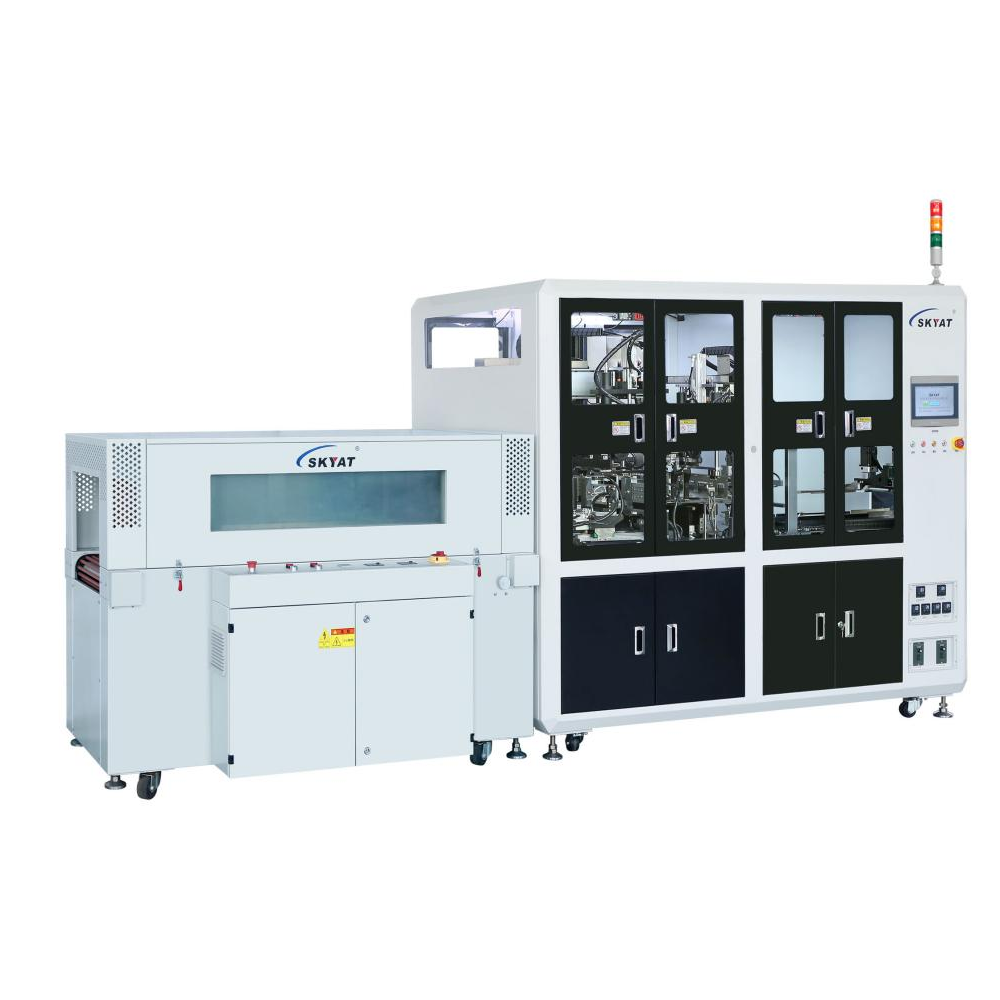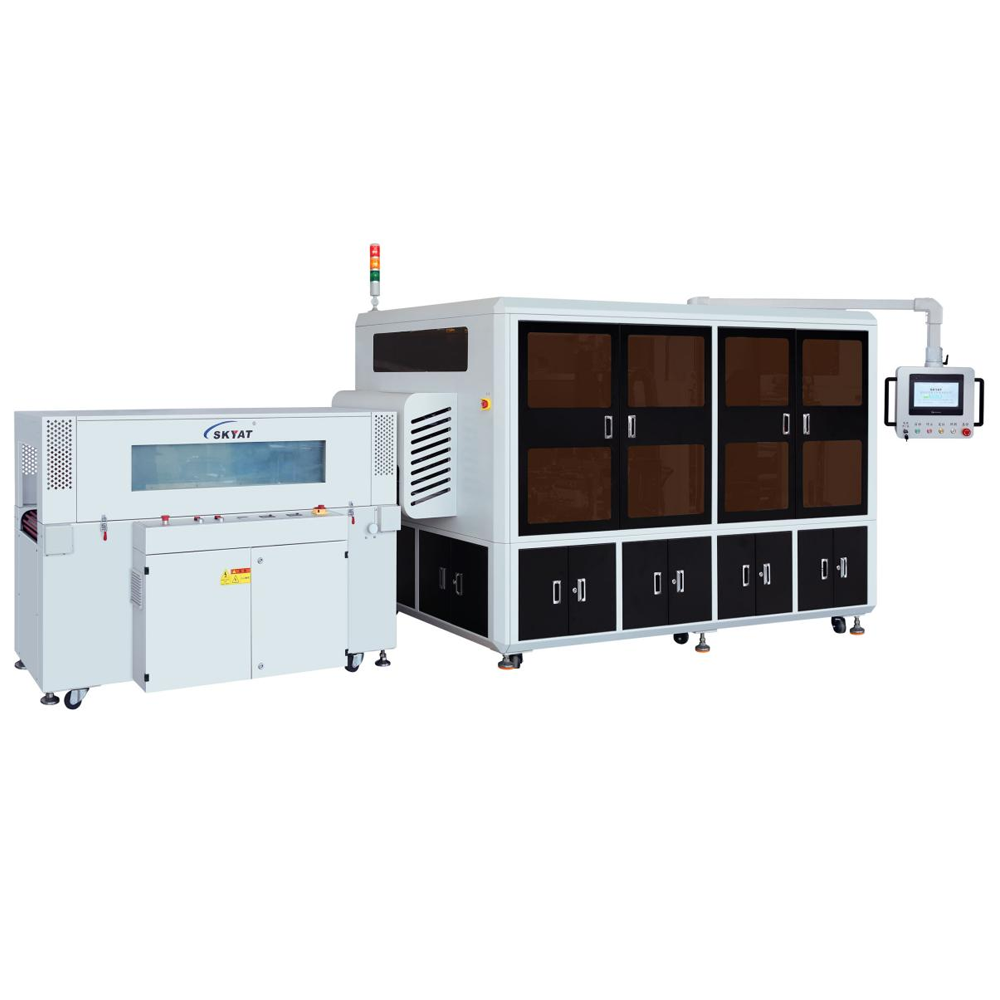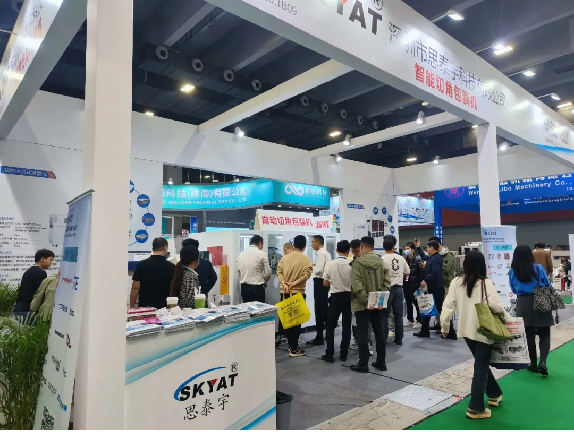
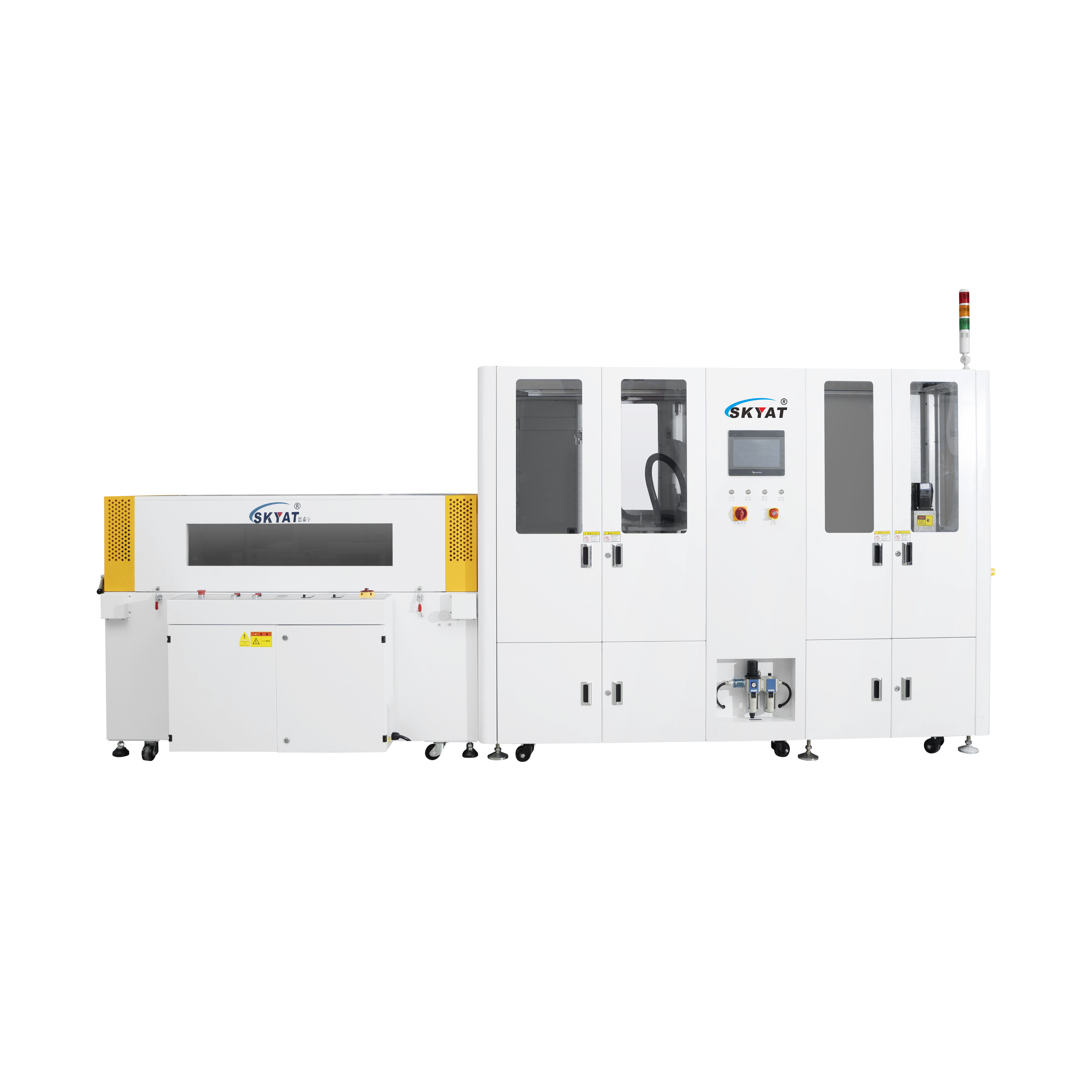
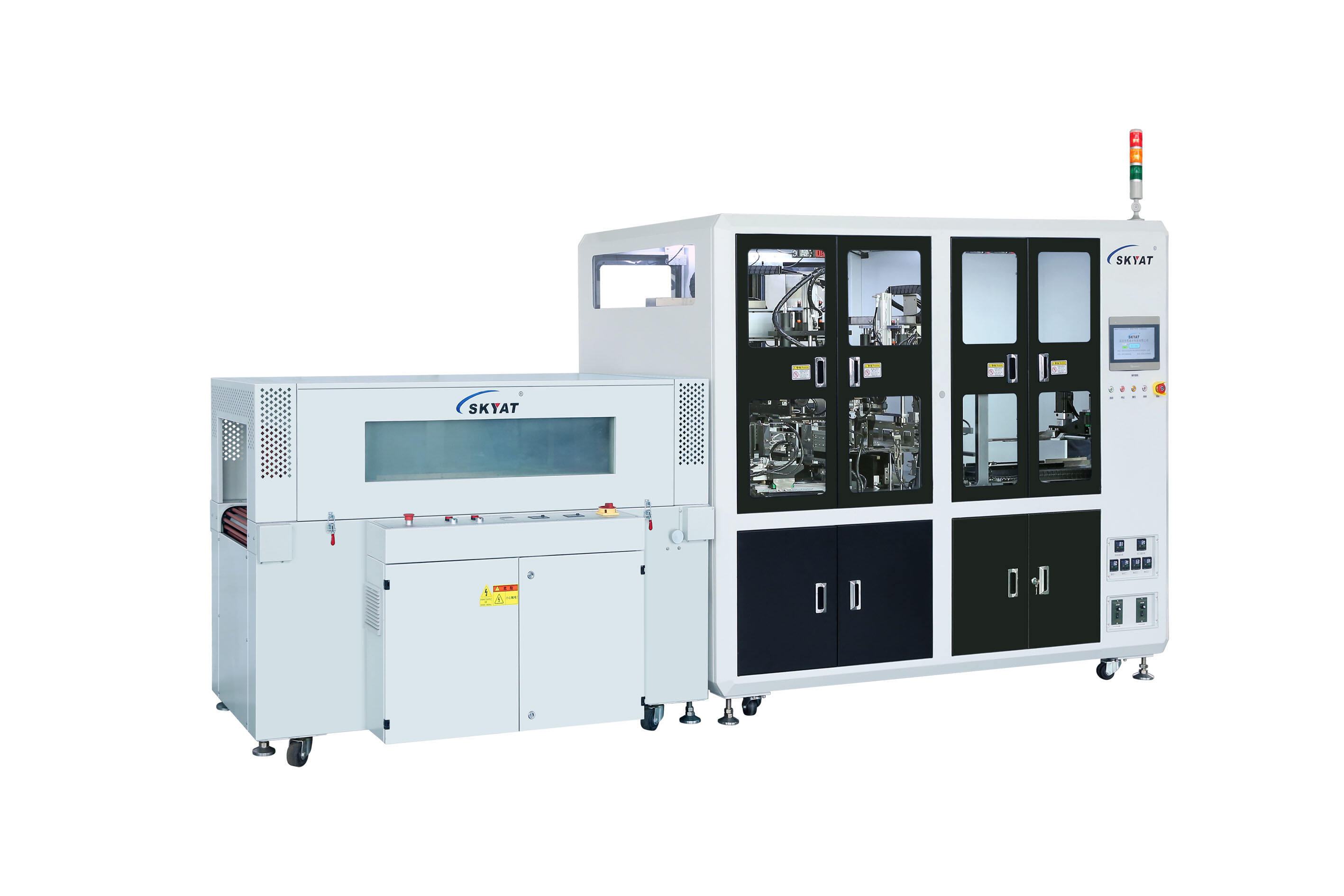
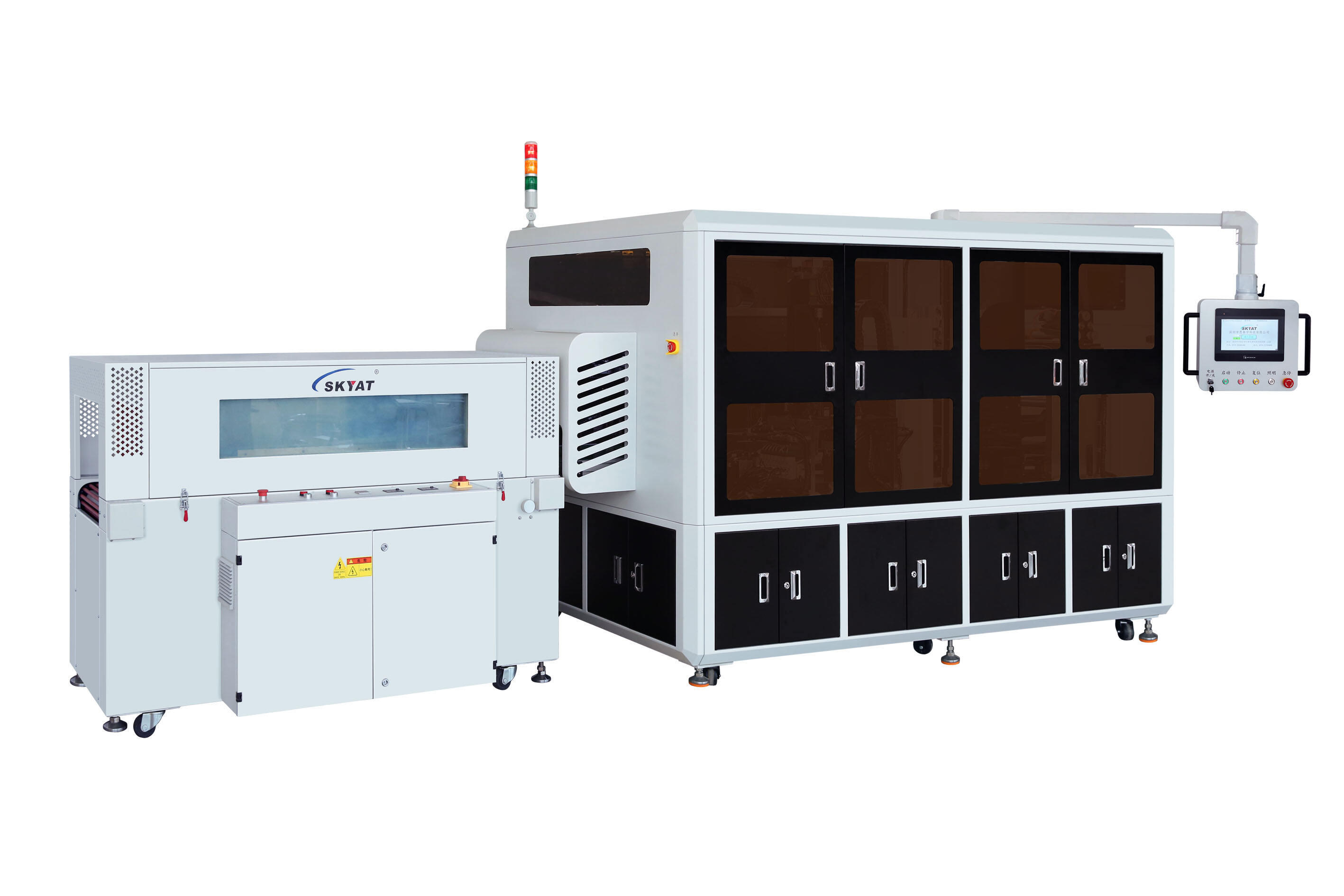
Intelligent wrapping machines offer a wide range of benefits that enhance packaging processes across various industries, from electronic manufacturing and pharmaceutical production to automotive, food processing including tea, cosmetics, and new energy sectors. These advanced machines combine cutting-edge technology with precision engineering to deliver improvements in efficiency, quality, and cost-effectiveness. One of the primary benefits is increased efficiency and productivity. Intelligent wrapping machines use AI-driven systems and advanced sensors to automate the wrapping process, reducing the need for manual intervention. They can handle high volumes of products at consistent speeds, significantly increasing throughput compared to manual methods. For example, in the packaging of smart electronics devices or game consoles, these machines can wrap hundreds of items per minute, ensuring that production lines keep pace with demand. This efficiency is further enhanced by features like automatic product detection and adjustment, which minimize downtime between different product runs. Improved packaging quality and consistency are also key advantages. These machines maintain precise control over film tension, temperature, and wrapping patterns, ensuring that each product receives a uniform, secure wrap. This is crucial for industries like pharmaceuticals, where packaging must meet strict regulatory standards, and cosmetics, where visual appeal is important for consumer perception. In the food industry, such as tea packaging, consistent wrapping helps preserve freshness and extends shelf life by creating an airtight seal. For irregularly shaped products like drone components or ceramic items, intelligent wrapping machines can adapt their settings to ensure full coverage and protection. Cost savings are another significant benefit. By reducing material waste through precise film usage and minimizing labor costs with automation, intelligent wrapping machines lower operational expenses. They also feature predictive maintenance capabilities, using sensors to detect potential issues before they cause breakdowns, reducing repair costs and unplanned downtime. For example, a healthcare products manufacturer can avoid costly production halts by addressing a worn part identified by the machine’s diagnostic system. Additionally, energy-efficient components in these machines reduce power consumption, aligning with sustainability goals and lowering utility bills. Enhanced flexibility and adaptability make intelligent wrapping machines suitable for diverse product lines. They can be easily programmed to handle different sizes, shapes, and types of products, from small clothing accessories to large steel components. Operators can store multiple wrapping profiles, allowing for quick switches between products without extensive reconfiguration. This flexibility is particularly valuable for businesses that produce seasonal items or frequently introduce new products, such as cosmetics brands or new energy product manufacturers. Data-driven insights and connectivity are also major benefits. Intelligent wrapping machines often include IoT capabilities, allowing for real-time monitoring of performance metrics, such as production counts, film usage, and error rates. This data can be analyzed to identify inefficiencies, optimize processes, and make informed business decisions. For instance, a tea manufacturer can use this data to adjust production schedules based on wrapping machine performance, ensuring optimal resource allocation. Overall, the benefits of intelligent wrapping machines—including increased efficiency, improved quality, cost savings, flexibility, and data-driven insights—make them a valuable investment for businesses looking to enhance their packaging operations and stay competitive in today’s market. Whether used in small-scale facilities or large industrial plants, these machines deliver tangible improvements that positively impact the bottom line.
Copyright © 2025 By Skyat Limited. - Privacy policy