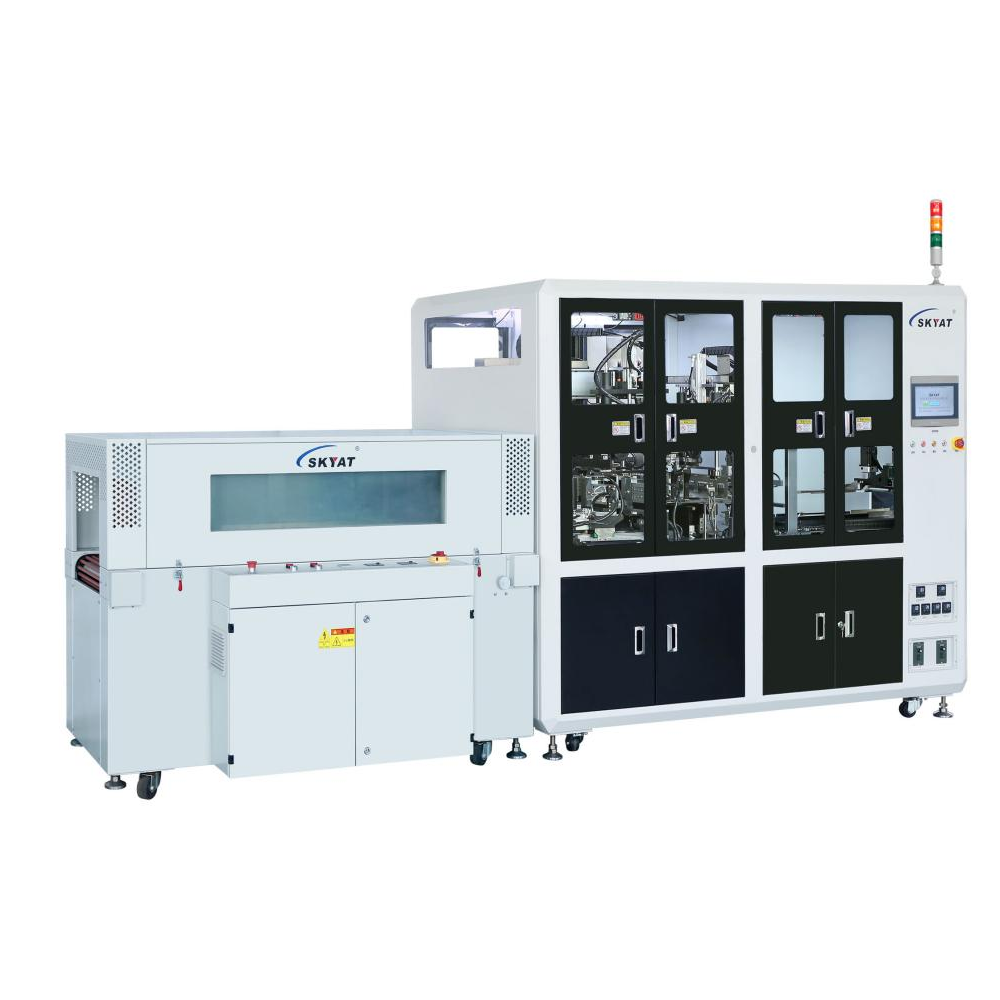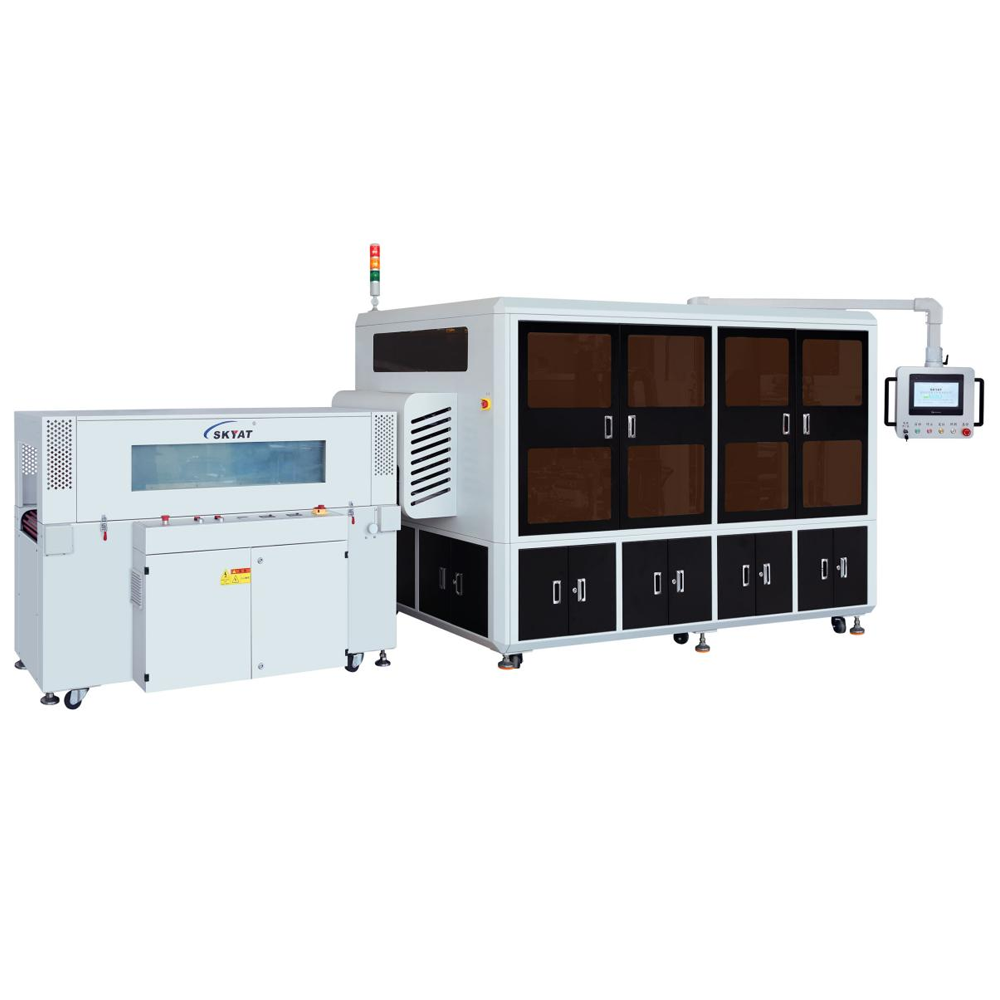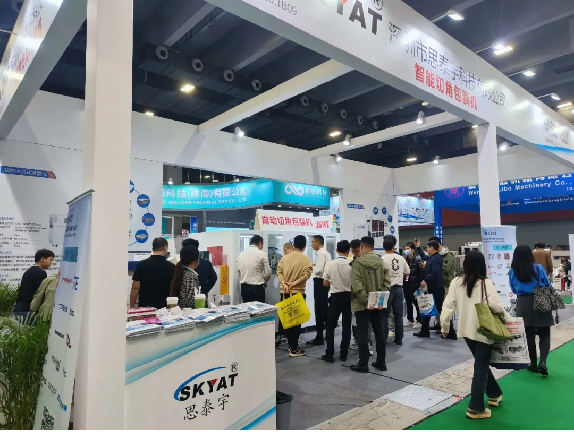
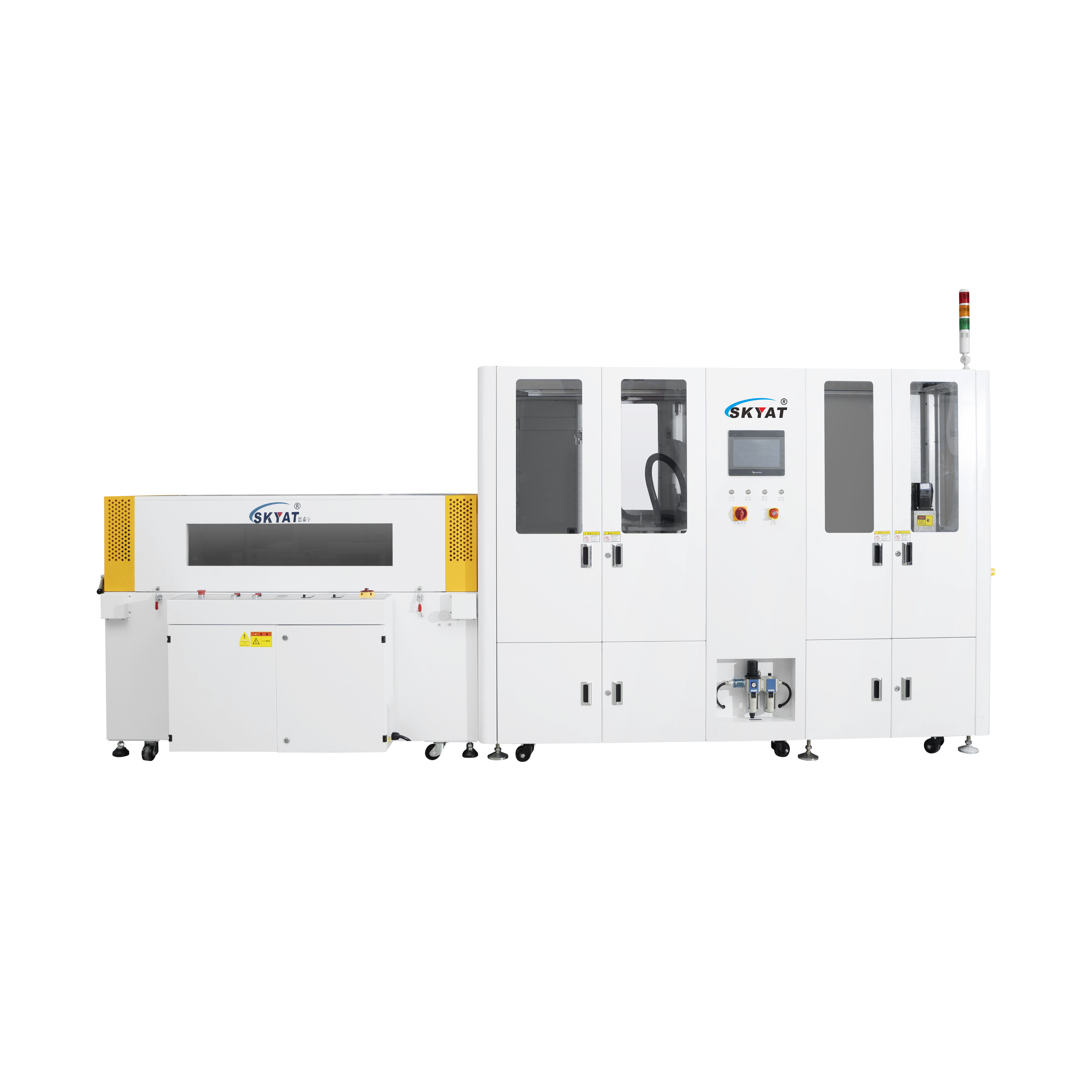
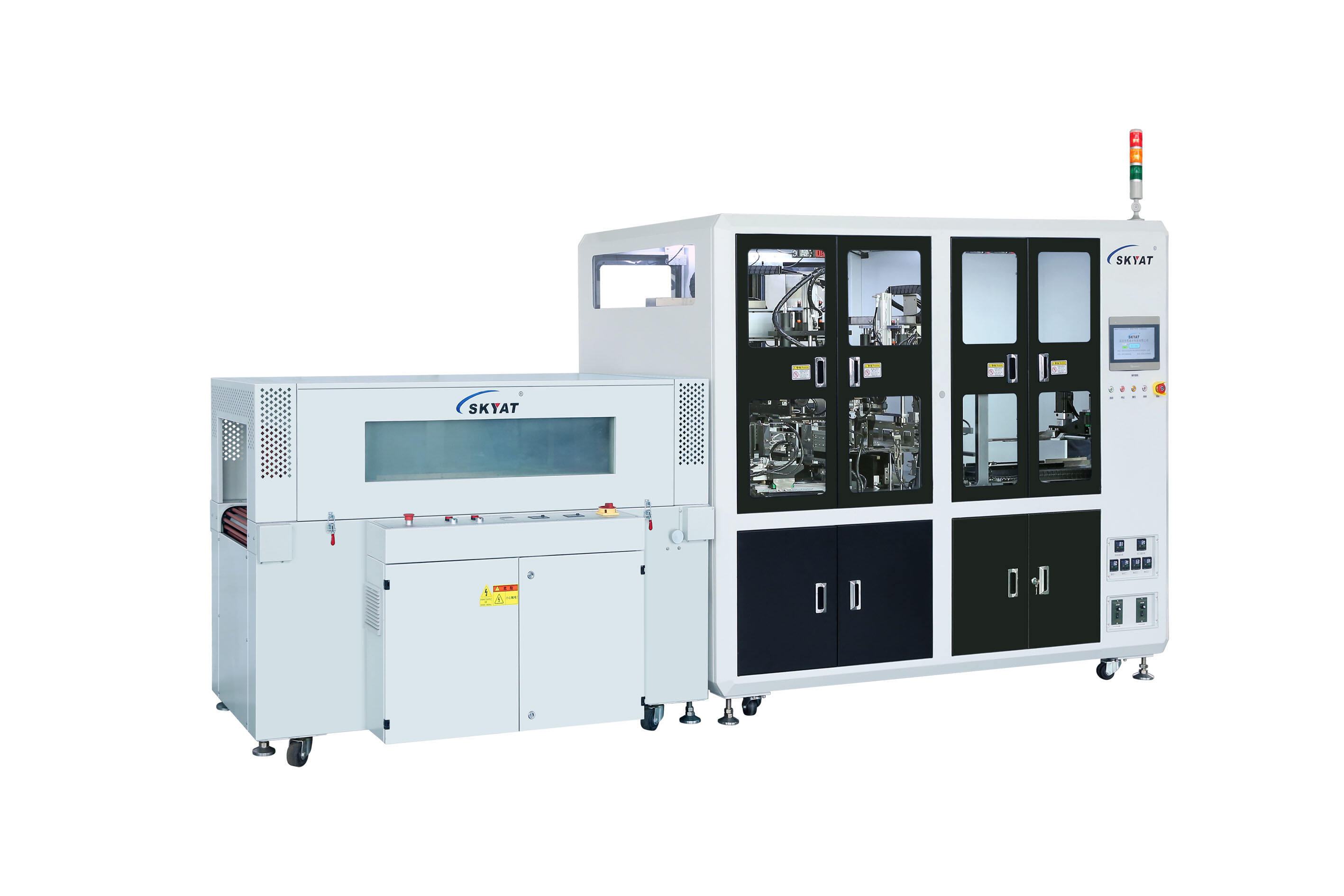
The flexibility of automated packaging systems compared to manual processes is a key differentiator that impacts how businesses adapt to changing demands, diverse product lines, and evolving market needs. Automated systems offer a level of versatility and adaptability that manual packaging struggles to match, making them indispensable for industries ranging from electronic manufacturing and pharmaceuticals to food processing and cosmetics. Automated packaging systems excel at handling diverse product sizes and shapes with minimal reconfiguration. For example, a facility producing both small smart electronics components and larger drone parts can program an automated machine to adjust conveyor speed, film tension, and heating settings in seconds, using pre-stored product profiles. This allows for quick transitions between products, reducing downtime and increasing throughput—a critical advantage for businesses with varied product lines, such as those manufacturing both cosmetics and healthcare products. Manual packaging, by contrast, requires operators to manually adjust tools, change film rolls, and reposition products, a time-consuming process that increases the risk of errors and delays, especially when switching between drastically different items like ceramic tiles and clothing accessories. Scalability is another area where automated packaging outperforms manual methods. As production volumes increase—whether due to seasonal demand spikes in tea packaging or growth in new energy product sales—automated systems can easily handle higher throughput by running longer or increasing speed, often with minimal additional labor. Manual packaging, however, requires hiring and training more workers to keep up, which is not only costly but also introduces inconsistencies in packaging quality as new operators learn the ropes. Automated systems maintain consistent quality even at peak volumes, ensuring that every product, from a small pharmaceutical vial to a large steel component, is wrapped to the same standard. Adaptability to new packaging materials and technologies is greater with automated systems. When switching to eco-friendly biodegradable films or anti-static materials for electronics, automated machines can be recalibrated with new settings to ensure optimal performance. Their compatibility with various film types—from thin, clear films for cosmetics to heavy-duty wraps for automotive parts—makes them versatile enough to meet evolving industry standards and consumer preferences. Manual packaging, reliant on operator skill, often struggles with new materials, leading to uneven wrapping, waste, or the need for extensive retraining. Integration with other production systems enhances the flexibility of automated packaging. These systems can connect with inventory management software to adjust packaging based on stock levels, or with quality control sensors to modify wrapping parameters for products that fail initial inspections. For example, in game console manufacturing, an automated system can receive real-time data about a batch of consoles with slightly larger dimensions and adjust its settings to ensure a proper fit. Manual packaging lacks this connectivity, making it difficult to respond dynamically to changes in production or product specifications. While manual packaging may offer flexibility in small-scale, low-volume operations, automated systems provide superior adaptability, scalability, and consistency for businesses looking to thrive in dynamic markets. Their ability to handle diverse products, scale with demand, and integrate with new technologies makes them a flexible solution for industries with ever-changing needs.
Copyright © 2025 By Skyat Limited. - Privacy policy