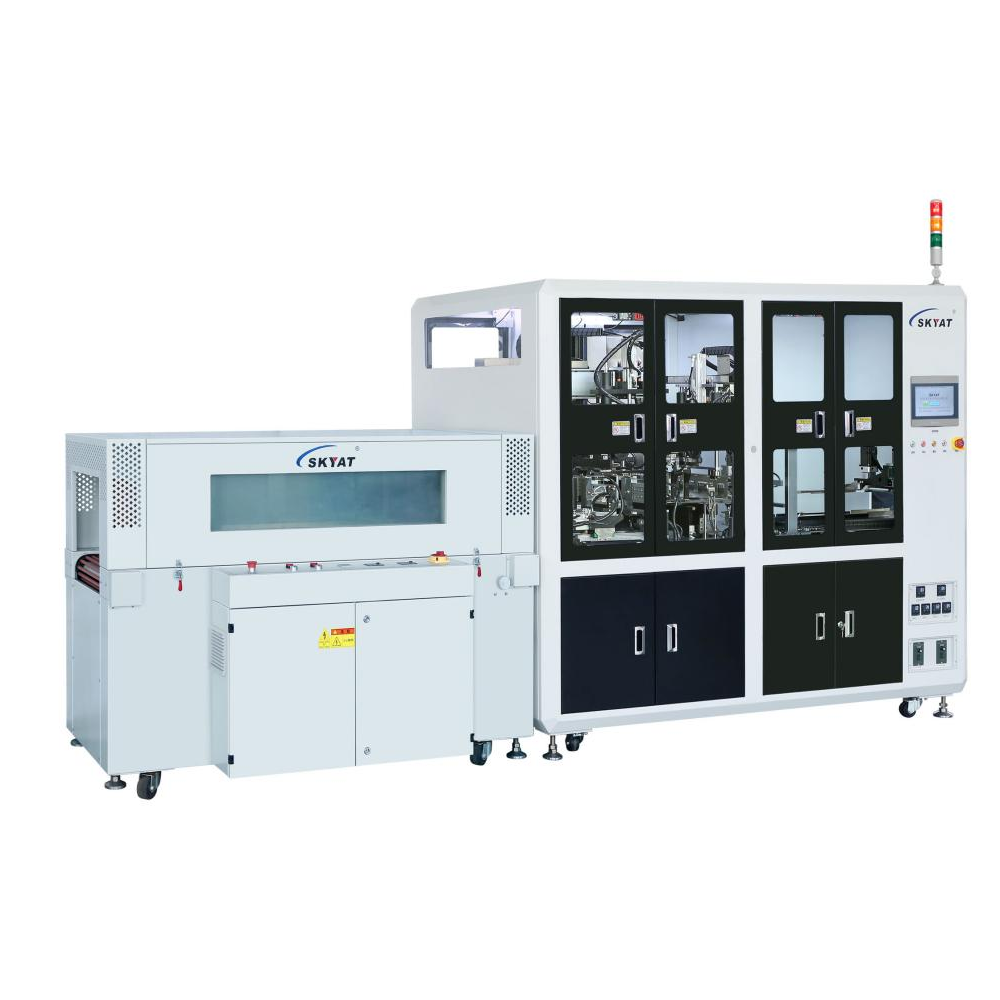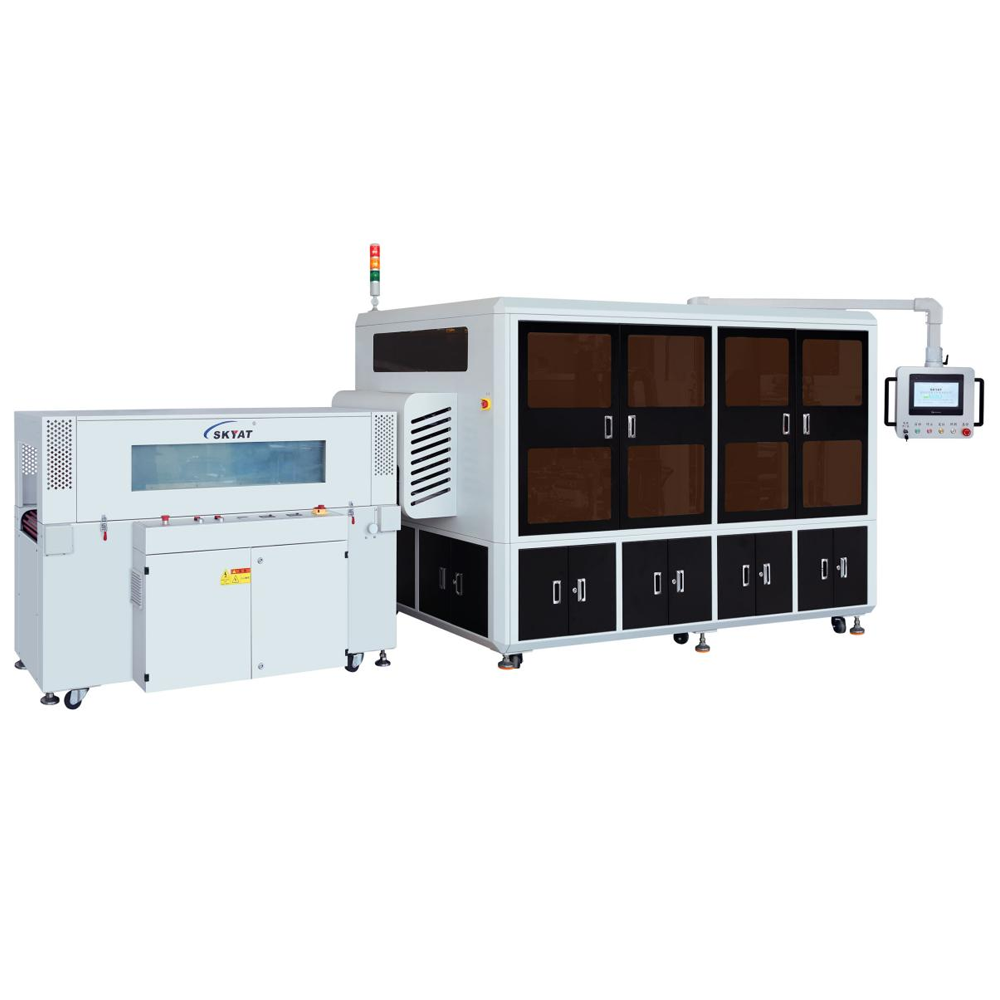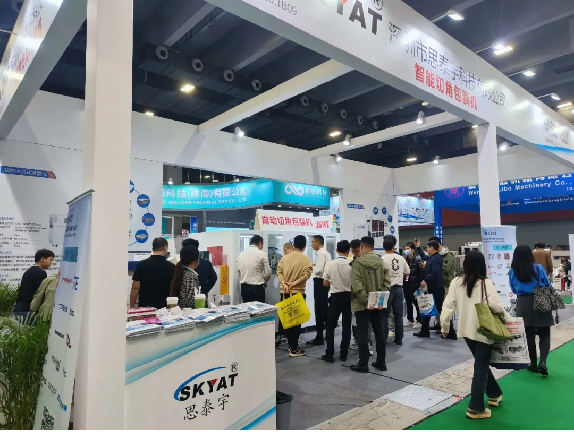
Choosing the right packaging machine is a critical decision that impacts efficiency, product quality, and overall operational success across industries such as electronic manufacturing, pharmaceuticals, food processing including tea, automotive, cosmetics, and new energy production. The process requires careful consideration of specific needs, product characteristics, and long-term goals to ensure the machine aligns with your workflow and delivers optimal results. First, evaluate your product specifications. Consider the size, shape, weight, and material of the items to be packaged. For small, delicate products like smart electronics components or pharmaceutical vials, a machine with precise handling capabilities and gentle wrapping tension is essential. Larger, heavier items such as automotive parts or steel components require robust machines with high weight capacities and durable construction. Irregularly shaped products, like drone parts or ceramic items, may need machines with adjustable guides or custom fixtures to ensure a secure fit. Production volume is another key factor. High-volume industries, such as game console manufacturing or large-scale tea processing, require fast-paced machines capable of handling hundreds of items per minute. Smaller operations, like boutique cosmetics brands or specialty healthcare products producers, may prioritize flexibility over speed, opting for machines that can easily switch between product types with minimal downtime. Assessing your current volume and future growth projections will help determine whether a compact tabletop model, a semi-automatic system, or a fully automated line is most suitable. Consider the packaging material compatibility. Different machines work with specific types of films, such as PVC, PE, or biodegradable options. If your industry prioritizes sustainability—like new energy sectors—choose a machine compatible with eco-friendly materials. For electronics, anti-static films may be necessary, while pharmaceuticals may require sterile, medical-grade films. Ensuring the machine can handle your preferred material avoids costly adjustments or inefficiencies later. Automation level is a crucial consideration. Fully automated machines integrate seamlessly with production lines, reducing manual labor and increasing throughput—ideal for high-volume, repetitive tasks. Semi-automatic machines balance automation with operator control, suitable for businesses with varying product lines or limited space. Evaluate your labor resources, budget, and desire for scalability; automated systems often offer better long-term ROI for growing businesses. Regulatory compliance is non-negotiable for industries like pharmaceuticals and food processing. Choose machines that meet industry standards, such as FDA approval for food contact or GMP compliance for pharmaceuticals. Features like tamper-evident seals, sterile construction, or traceability integration may be required to adhere to regulations and ensure product safety. Finally, assess after-sales support and machine durability. Look for manufacturers with a reputation for reliable customer service, including installation assistance, training, and responsive maintenance. Durable construction—such as stainless steel for food or pharmaceutical machines—ensures longevity, even in harsh industrial environments. Testing the machine with your actual products, if possible, can reveal how well it handles your specific needs, from wrapping precision to speed. By carefully weighing these factors, you can select a packaging machine that enhances efficiency, protects your products, and supports your business’s growth across diverse industries.
Copyright © 2025 By Skyat Limited. - Privacy policy