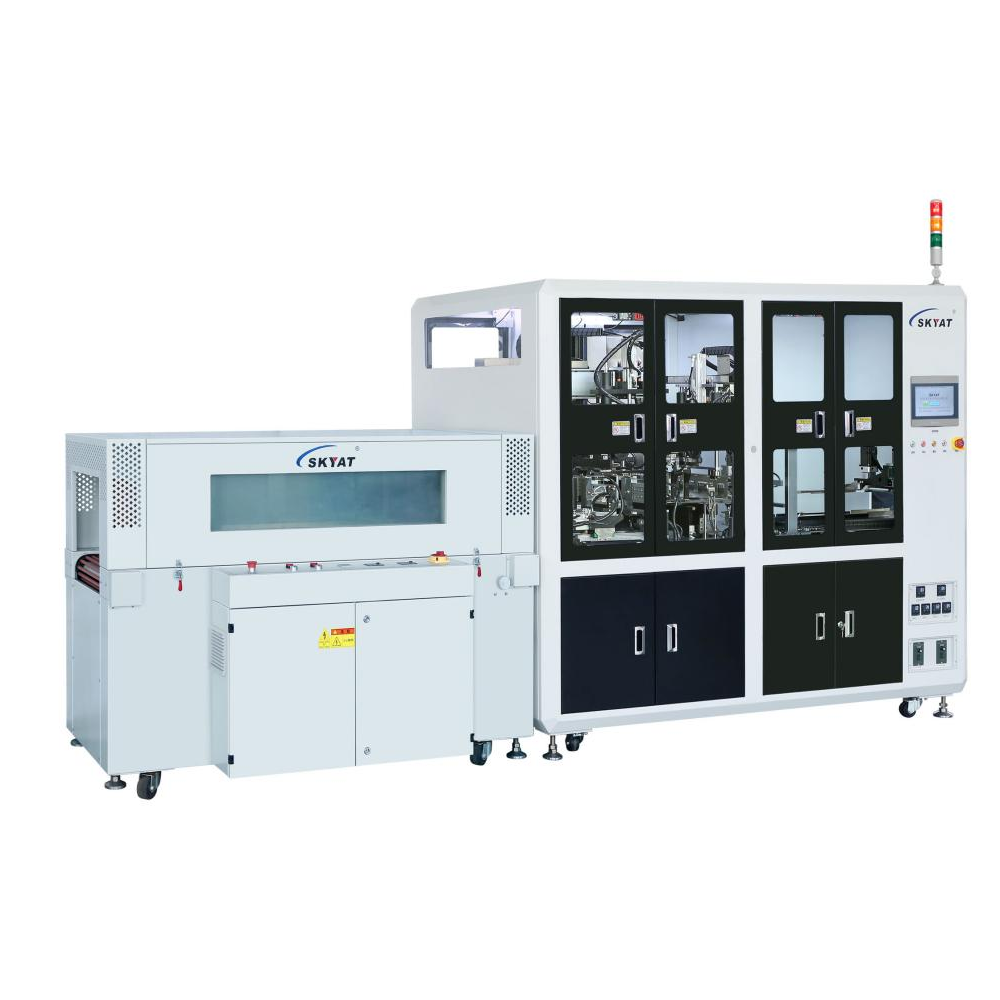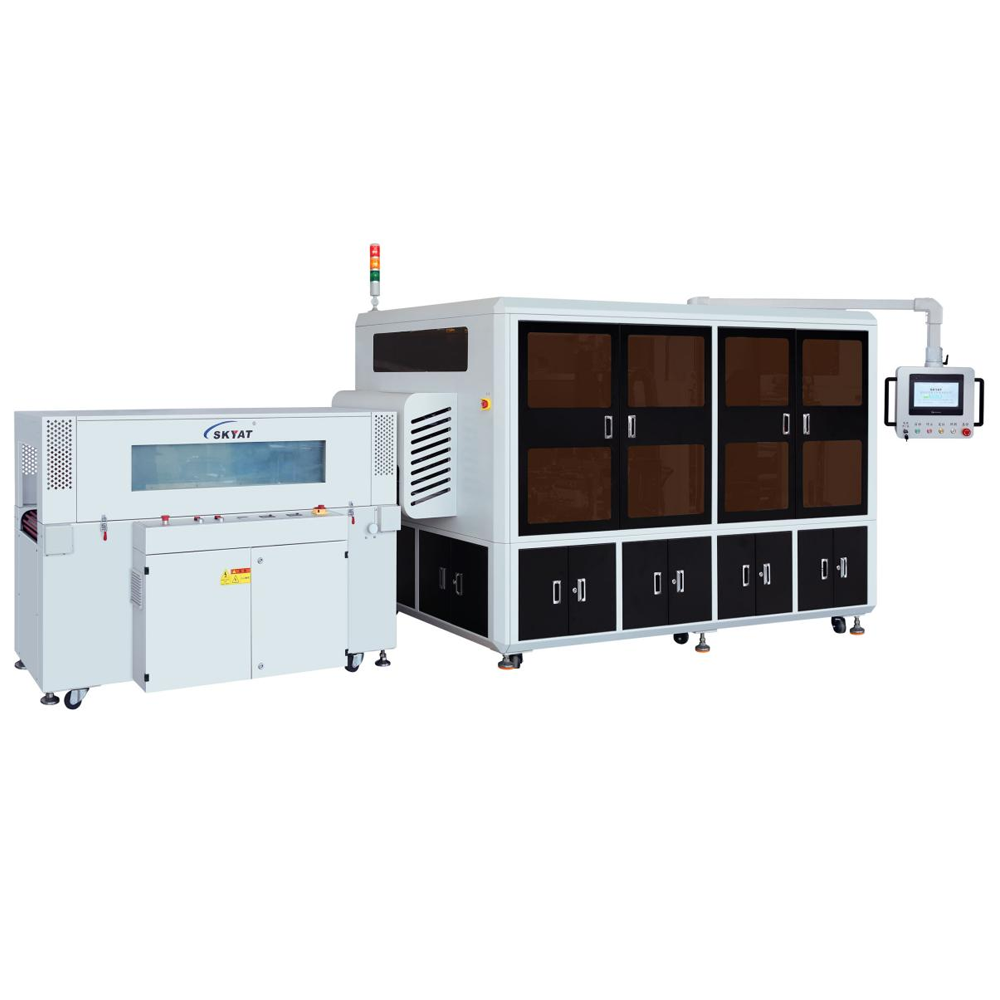
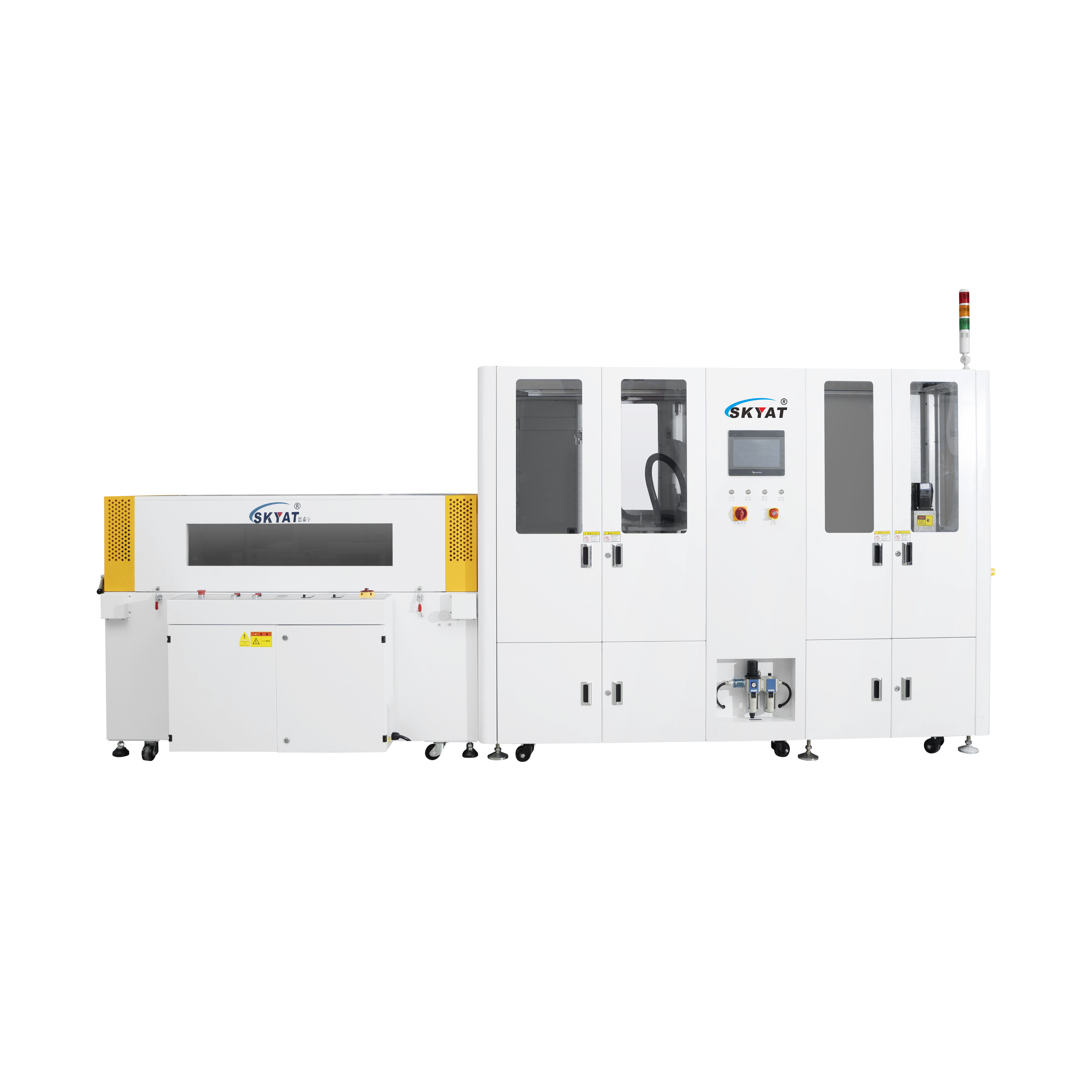
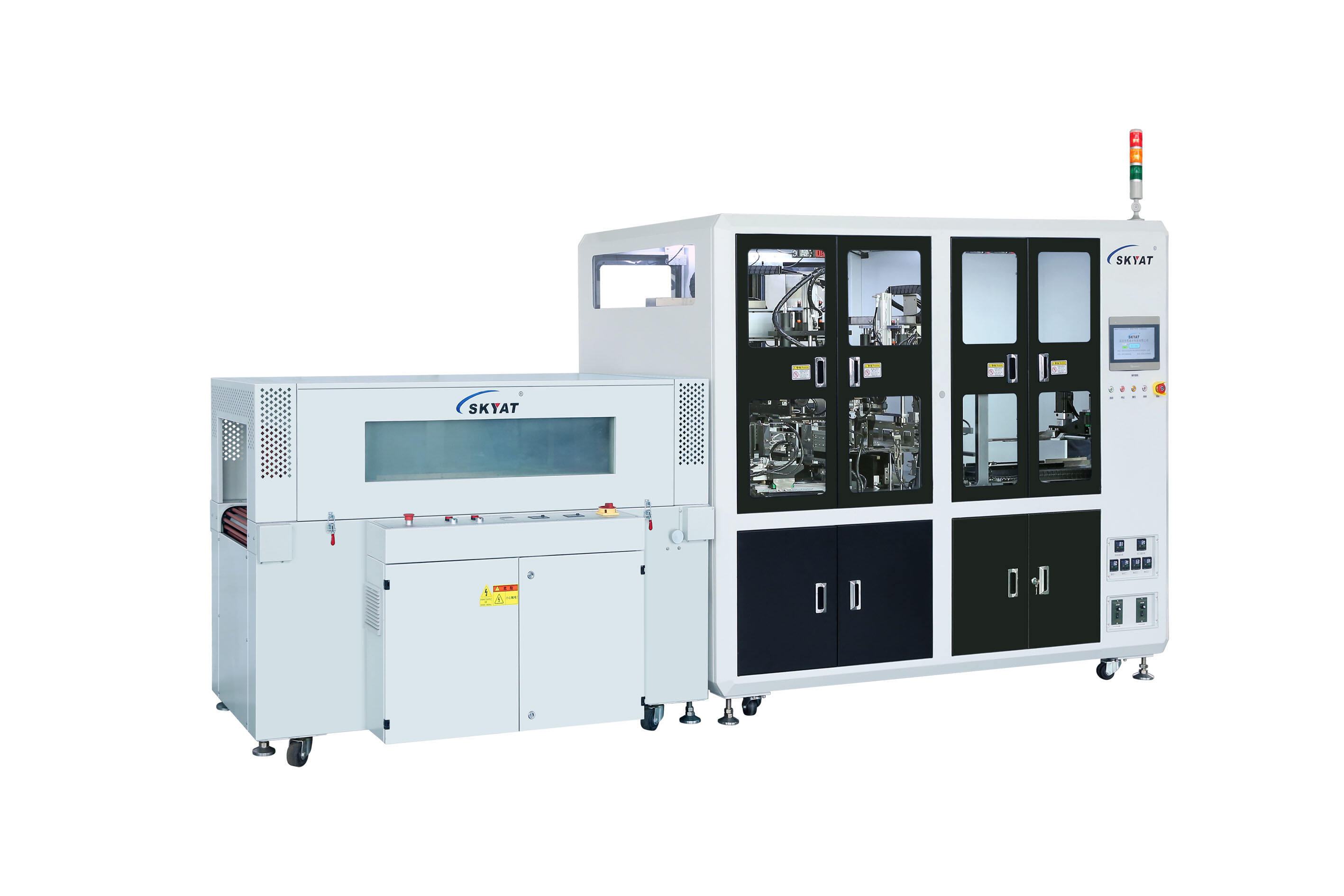
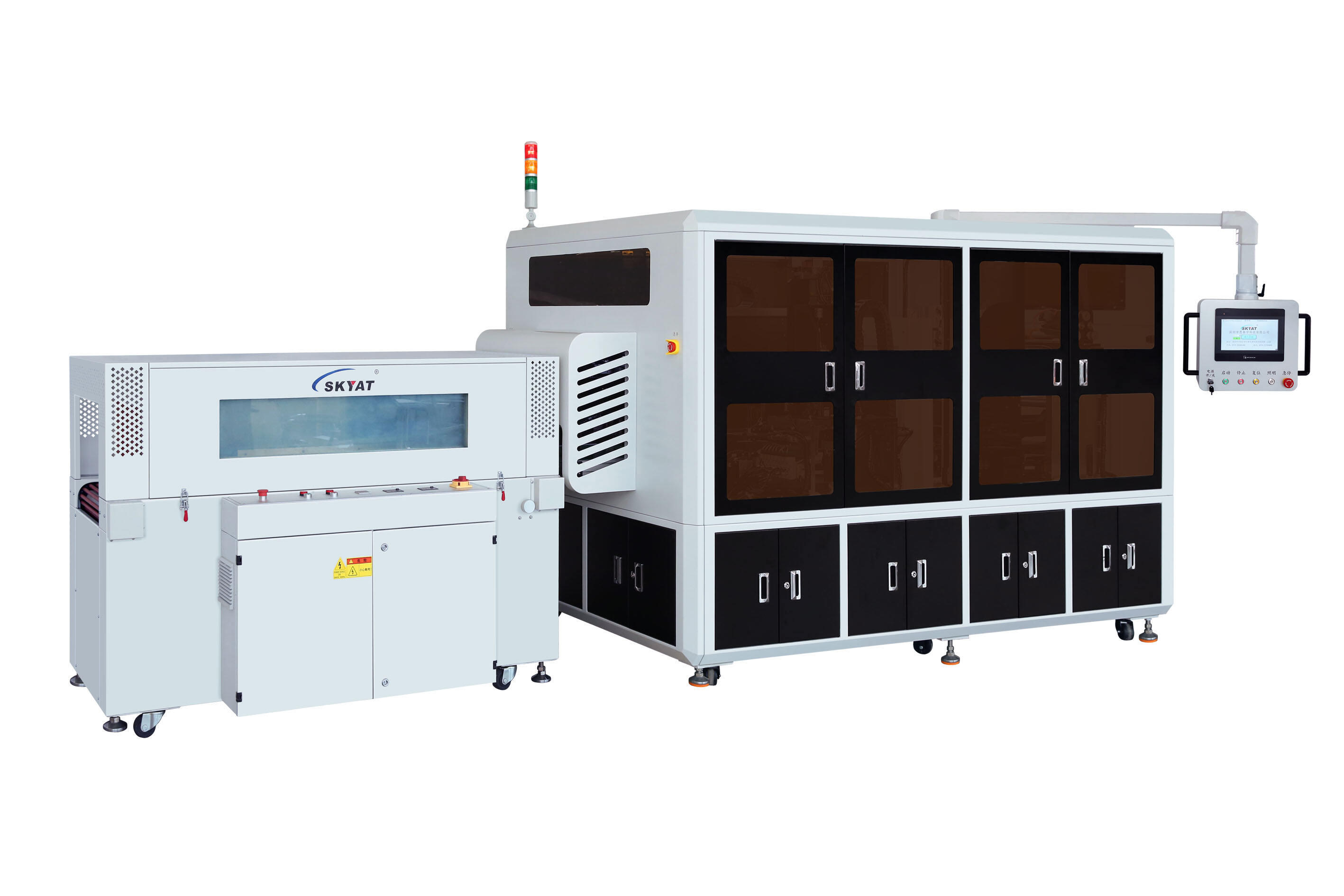
Understanding the role of automation in packaging is essential for businesses aiming to thrive in today’s fast-paced manufacturing landscape, where efficiency, consistency, and scalability are paramount. Automation transcends mere speed—it acts as a backbone for quality control, regulatory compliance, and adaptability across industries such as electronic manufacturing, pharmaceuticals, tea processing, automotive, and cosmetics. At its core, automation ensures precision in every package, a critical factor for industries like electronics. Robotic arms in automated systems handle smart electronics components with micron-level accuracy, placing them in shrink film without risking static damage—a feat hard to replicate manually, especially for high-volume production of drone parts or circuit boards. This precision extends to sealing, where automated machines apply uniform pressure and heat, eliminating the uneven seals common with manual wrapping that can compromise product integrity during shipping. For regulated industries, automation is a cornerstone of compliance. In pharmaceutical packaging, automated systems maintain sterile environments, log every step of the wrapping process, and apply tamper-evident seals—all while generating audit-ready reports to meet FDA and GMP standards. Similarly, in food sectors like tea processing, automated lines reduce human contact, lowering contamination risks and ensuring adherence to food safety protocols. Conventional manual processes, with their variability, struggle to consistently meet these strict requirements, putting brands at risk of fines or reputational damage. Automation drives scalability, a key advantage for growing businesses. A cosmetic company expanding its product line can rely on automated packaging systems to handle new bottle sizes by simply updating software settings, whereas manual lines would require retraining staff and retooling workstations. For new energy component manufacturers ramping up production to meet demand, automated systems scale output seamlessly, operating 24/7 without sacrificing quality—a capability manual teams can’t match without significant labor increases. Data integration is another vital role of automation. Modern packaging systems collect real-time data on film usage, machine performance, and defect rates, feeding insights into broader production analytics. For example, a healthcare products manufacturer can use this data to identify that a particular film type causes 10% more waste, prompting a switch to a more efficient material. Manual processes, lacking this data trail, make such optimizations guesswork, leading to unnecessary costs. Finally, automation enhances workplace safety and sustainability. By handling heavy lifting—such as wrapping steel automotive parts—robotic systems reduce worker injuries. Energy-efficient motors and optimized film usage in automated machines also lower carbon footprints, aligning with the eco-goals of industries from tea to . In essence, automation in packaging is not just about replacing manual labor; it’s about creating smarter, safer, and more sustainable operations that can adapt to the evolving needs of diverse industries.
Copyright © 2025 By Skyat Limited. - Privacy policy