
The Labor Burden in Conventional Label Finishing
Running manual label finishing operations really adds up in terms of labor costs, especially when production volumes go up. Workers have to touch every single label roll themselves for cutting, laminating, and stacking these things. Getting all those details right takes constant attention to prevent wasting materials, which is no small task. The whole process just grinds along slowly compared to automated systems. Research indicates that manual workstations typically run at half the speed of their automated counterparts. And it's not just about paying employees either. There are plenty of other hidden costs manufacturers end up dealing with too, many of which aren't so obvious at first glance.
- Error-driven rework from misaligned laminations requiring scrapping entire batches
- Chronic turnover due to ergonomic strain from repetitive motions, with injury rates 3–5× higher in manual setups
- Training investments for new hires averaging 40 hours per worker
These inefficiencies compound as order volumes increase, forcing facilities to add staff rather than scale intelligently. The reliance on human precision makes consistent quality nearly unattainable, especially for complex four-corner cuts, where millimeter deviations trigger rejection.
How the Fully Automatic Four-Corner Cutting & Laminating Machine Eliminates Manual Touchpoints
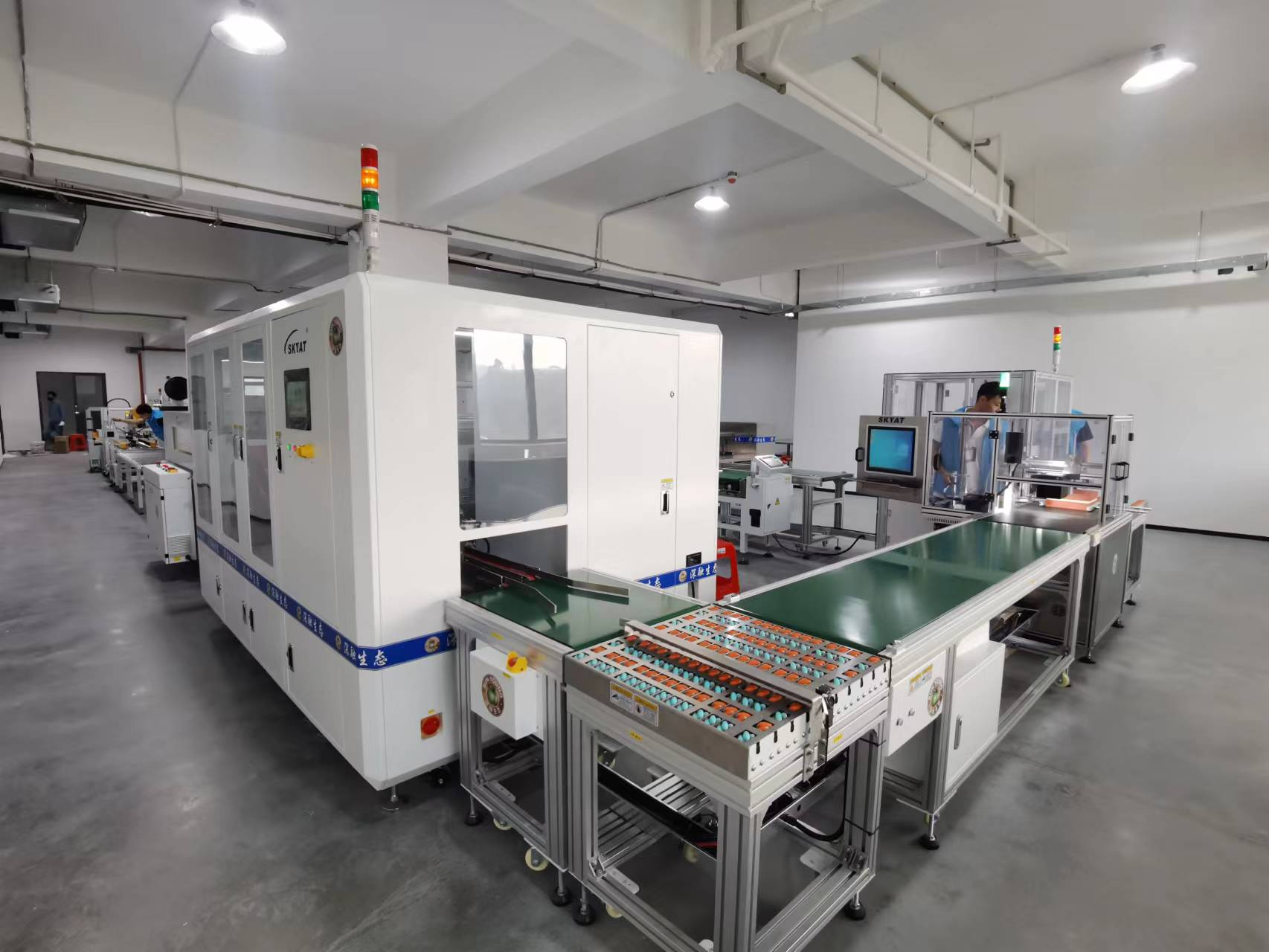
This machine revolutionizes label finishing by automating tasks that traditionally required human intervention. Its integrated design ensures a seamless, hands-free workflow, slashing labor demands while boosting efficiency and consistency.
End-to-end automation: Unwind – four-corner cutting – laminating – stack
Material starts feeding through automatically without anyone needing to load rolls by hand. The machine cuts all four corners precisely instead of relying on workers to snip them unevenly. Layers get bonded together evenly thanks to built-in lamination, then finished labels stack themselves ready for packaging. This seamless workflow removes those annoying delays where operators had to stop everything just to reposition something or wait between steps. According to industry reports, these automated processes cut down handling time by about half compared to what was standard before. Less downtime means faster production overall. Machines running nonstop can crank out around 2,500 labels each hour now, which is roughly three times better than what semi-automated setups managed previously.
| Automation Step | Manual Equivalent | Labor Reduction |
|---|---|---|
| Unwinding | Manual roll feeding | 1 FTE saved per shift |
| Four-corner cutting | Hand trimming | 90% fewer alignment errors |
| Laminating | Operator-assisted bonding | 75% faster setup |
| Stacking | Manual sorting and piling | Eliminates sorting delays |
Key benefits include reduced material waste, lower ergonomic injury risk, and stable output speeds, even at line rates exceeding 50 meters per minute.
Vision-guided registration and real-time auto-correction without operator input
Modern vision systems can detect material positions down to 0.1 mm accuracy, catching problems long before they start affecting production quality. The system's built-in software makes real time changes to how things get cut and layered together, stopping issues like crooked layers, gaps between materials, or when parts don't line up properly. This automatic fixing works differently from what people used to do manually or those occasional checks that just didn't catch everything. Back in the day, these alignment problems would send around 15% of products back for fixes. With today's automated vision tech, almost none of that happens anymore. Real world installations have shown workers spend way less time on this stuff now. Some factories report cutting labor costs by over half simply because nobody needs to stand there checking and adjusting all day anymore.
Tangible Labor Cost Reduction: Verified ROI and Operational Metrics
62% reduction in direct labor FTEs – case study breakdown
Putting in place a fully automated four corner cutting and laminating system cuts down on the need for workers since it takes care of all the manual work throughout the whole finishing process from unwinding materials right up to stacking finished products precisely. According to recent industry reports, companies have seen their staff needs drop by more than 60 percent. That means instead of having five people working each shift, they only need two techs to monitor things. A real world case study shows one packaging company managed to slash its payroll expenses by 62.3% after eight months, freeing up around $216k every year which went towards expanding their production capabilities. The reason these kinds of savings happen consistently in medium sized operations is because the machines use visual guidance systems that keep everything running smoothly without needing someone constantly watching over them.
Secondary savings: Lower training, turnover, and rework costs
Automation brings about savings beyond just cutting wages, actually delivering around 15 to 20 percent in indirect labor costs because it makes workflows much steadier. Let's look at the numbers: manual label finishing needs over 120 training hours each year for every worker. Automated systems? Less than 40 hours gets someone fully proficient. That drops onboarding expenses by two thirds. According to Workplace Dynamics from last year, companies that go all in on automation see attrition rates drop by 31%. Why? Because workers aren't getting those repetitive strain injuries anymore. And there's another benefit nobody talks about enough real time error correction saves companies up to $18k worth of materials for every 10 million labels made. All these efficiencies add up fast. Most businesses get their money back within just 14 to 18 months after installation.
FAQ
What is the main advantage of using a fully automatic four-corner cutting & laminating machine?
The main advantage is the significant reduction in labor costs, as the machine eliminates manual touchpoints by automating tasks like cutting, laminating, and stacking. This results in faster production, fewer errors, and lower ergonomic risks.
How does automation reduce training and turnover costs?
Automation reduces these costs by making workflows steadier and more efficient. Training hours are cut down significantly, and the risk of repetitive strain injuries is lowered, leading to a decrease in turnover rates.
What kind of savings can manufacturers expect from implementing this automated system?
Manufacturers can expect approximately 62% reduction in direct labor FTEs, along with secondary savings from decreased training, turnover, and rework costs. A typical return on investment can be seen within 14 to 18 months.