
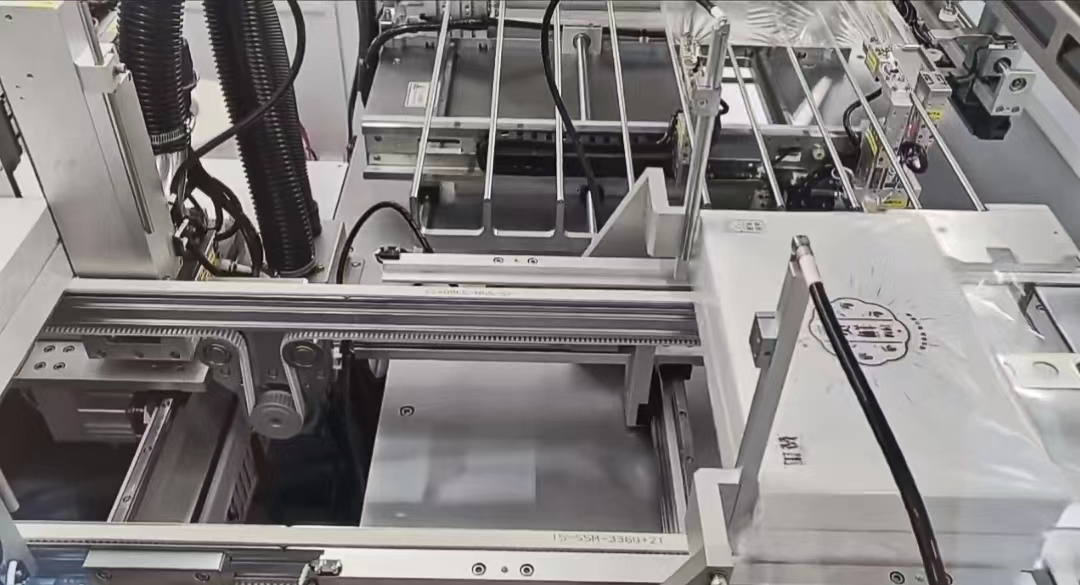
Eliminating Bottlenecks with Automation and Real-Time Intelligence
How automated film handling and adaptive sealing reduce manual intervention and line stoppages
Smart shrink wrapping systems cut down on those annoying slowdowns because they handle the whole process automatically from loading the film to adjusting tension and making clean cuts. No more stopping everything just so someone can tweak settings by hand. The latest adaptive sealing tech actually spots when containers vary in size or shape as they come through and changes the heat and pressure accordingly. This prevents those frustrating film jams that used to bring manual lines to a halt about 28% of the time according to Packaging Efficiency Review last year. When we swap out all those repetitive tasks people used to do for machines that do it right every time, the production line runs smoother day after day. And guess what? Unplanned stops go way down too, sometimes by more than half depending on the setup.
IoT-enabled predictive maintenance: Cutting unplanned downtime by up to 35%
Sensors embedded throughout the equipment keep an eye on important parts like heaters, conveyor belts, and cutting tools. These sensors process information right where it's collected, spotting problems before they become serious issues. The system sends out maintenance warnings when it detects unusual vibrations or temperature changes, but only during planned maintenance windows instead of causing sudden shutdowns. This method cuts down on unexpected repairs by around three quarters compared to old fashioned approaches that rely on waiting until something breaks or following fixed schedules regardless of actual conditions. According to industry reports, these kinds of predictive systems generally bring down unplanned downtime between a quarter and a third, which translates into roughly 150 extra working hours each year for every production line.
Reducing Labor Costs and Optimizing Shift Efficiency
Automated loading, precision sealing, intelligent shrink tunnel controls, and integrated vision inspection consolidate tasks once requiring multiple operators. Key labor reductions occur across four stages:
- Loading: Automated product handling replaces manual positioning
- Sealing: Adaptive heat and pressure controls require zero operator adjustment
- Shrink tunnel control: Self-regulating temperature profiles maintain consistency without oversight
- Quality checks: Vision systems replace manual inspection and reduce rework
The numbers speak for themselves when it comes to labor savings from these systems. According to recent industry research published by the Packaging Efficiency Council in 2024, companies that implement smart shrink wrap technology typically see around a 28% cut in labor costs per work shift. This happens mainly because they need fewer staff on hand and there are significantly fewer problems with seals going wrong. What's more, switching between different product codes happens much quicker now, which means workers aren't stuck watching machines all day long. Instead, they can focus on tasks that actually matter for business growth rather than just keeping an eye on packaging lines.
Scaling Throughput Without Line Reconfiguration
From 15 to 45 packages/minute: Adaptive speed control and intelligent film tensioning
Smart shrink wrapping systems today can boost production from around 15 packages per minute all the way up to 45 thanks to their self adjusting features. The system automatically matches conveyor speed to whatever's coming down the line from earlier stages of production. At the same time, intelligent film tensioning keeps everything wrapped properly no matter what shape or material the product is made of. No more messing with speeds manually anymore since these machines handle it themselves. And they stop those annoying film breaks too which used to shut things down for anywhere between five and eight minutes every time it happened. These systems actually look at how thick the material is and check the room temperature as they work, cutting down on wasted film by about a quarter without slowing things down when switching between different products.
Edge-processed sensor feedback loops for continuous, real-time packaging optimization
Edge computing at the local level turns sensor data into real time changes instead of waiting for cloud processing. When vibration sensors pick up problems with the film, they trigger tension adjustments almost instantly. Thermal imaging keeps an eye on how evenly heat distributes through the shrink tunnels so we don't end up with poorly sealed products. The whole system constantly tweaks around 18 different factors like temperature zones and air movement patterns, which helps maintain really solid seals most of the time. Smart algorithms look back at past operations to spot where slowdowns might happen next, letting us keep production running smoothly without having to stop lines or make expensive hardware changes.
Seamless Integration Across the Digital Production Ecosystem
Native compatibility with ERP and MES platforms (SAP, Rockwell FactoryTalk, Siemens Opcenter)
Smart shrink wrapping systems break down those annoying data silos by working natively with MES and ERP platforms like SAP, Rockwell FactoryTalk, and Siemens Opcenter. When everything connects properly, production schedules sync in real time, we can track how much material gets used, and quality metrics stay consistent throughout all operations. The best part? These systems slot right into current digital manufacturing setups instead of forcing companies to start from scratch. Integration costs drop around 25-30% compared to older retrofit solutions, plus data flows back and forth instantly between systems. If something goes wrong on the production line, the system automatically makes adjustments further down the line. This keeps things moving smoothly even when switching between different packaging formats or materials mid-shift.
- Automated reconciliation between physical outputs and digital work orders
- Bi-directional communication with inventory management systems
- Standardized API frameworks minimizing custom coding requirements
Facilities using integrated platforms achieve 22% faster new product line commissioning, as centralized configuration updates propagate instantly across all connected systems—transforming packaging from an isolated endpoint into a responsive node in the end-to-end production value chain.
FAQs
-
How does automation affect labor costs in shrink wrapping?
Automation reduces labor requirements by automating tasks that previously required multiple operators, contributing to a 28% cut in labor costs per work shift. -
What role do sensors play in predictive maintenance?
Sensors help monitor equipment by processing gathered data, detecting potential issues, and alerting maintenance personnel during scheduled maintenance windows. -
How does real-time intelligence improve package throughput?
Intelligent systems adapt to production line requirements, adjusting speeds and tensioning to optimize throughput from 15 to 45 packages per minute, reducing downtime and film waste. -
Why is seamless integration with ERP and MES platforms important?
Integration ensures synchronized production schedules, consistent quality metrics, and reduces integration costs compared to older retrofit solutions.