
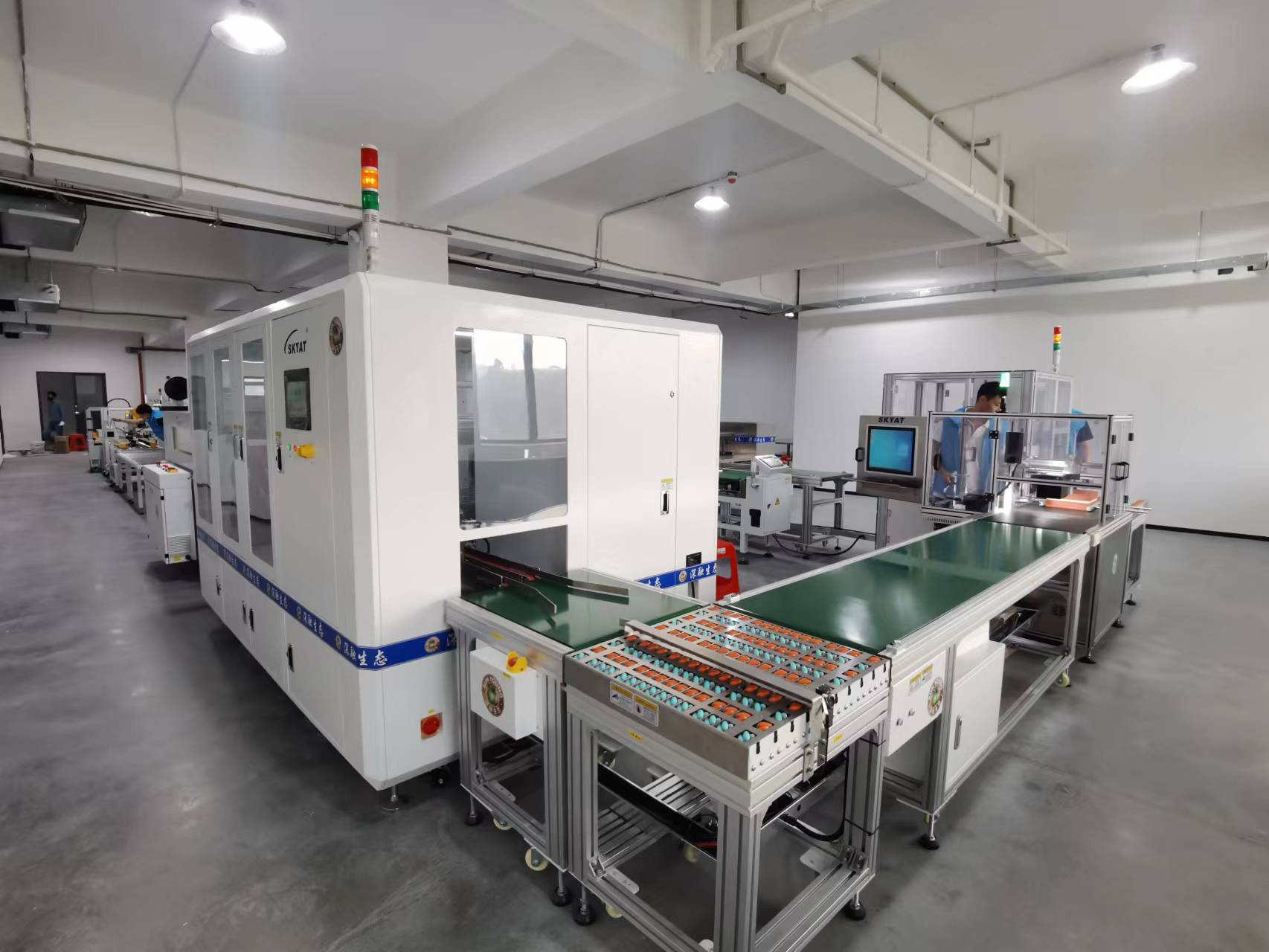
Boosted Throughput and Operational Efficiency
How Synchronized Motion Control Eliminates Sequential Bottlenecks
Traditional laminating lines operate in discrete steps—corner cutting pause, then laminating pause. Each transfer between stations introduces idle time and alignment drift. A fully automatic corner cutting and laminating machine integrates both functions under a single synchronized motion controller. Servo-driven axes coordinate the cutting head and laminating rollers in real time, overlapping the finishing of one corner with the start of the next. This parallel workflow eliminates the sequential gaps that previously accounted for up to 30% of total cycle time. Operators no longer wait for manual repositioning or clamp adjustments; the machine’s vision system continuously tracks glass edges and adjusts cutting paths without stopping the conveyor. The result: bottlenecks disappear, and throughput rises directly with line speed.
Real-World Impact: 42% Faster Cycle Time in Automotive Glazing Production
In a tier‑1 automotive glazing facility, replacing a two‑station manual process with a fully automatic corner cutting and laminating machine cut average cycle time from 85 seconds to 49 seconds per piece—a 42% improvement. The production line now runs three shifts without operator intervention for cutting or laminating adjustments, achieving over 220 pieces per shift versus the previous 155. This gain came primarily from eliminating the 10–12 seconds of idle time per cycle that manual alignment required. The facility also reported 18% fewer rejects in the final lamination quality check, because the synchronized process applies consistent pressure and cutting depth across all four corners. For high‑volume lines, even a 10‑second reduction per cycle translates into thousands of additional units annually, directly boosting revenue without adding floor space.
Unmatched Precision in Four-Corner Cutting and Laminating
Sub-0.15 mm Tolerance Consistency at Scale: Vision-Guided Servo Positioning Explained
Traditional cutting methods struggle to maintain tight tolerances across high-volume production. A fully automatic corner cutting and laminating machine overcomes this limitation by integrating vision-guided servo positioning. A high-resolution camera captures the glass panel’s exact position and edge geometry. This data is sent in real-time to servo motors that adjust the cutting head with sub-0.15 mm accuracy—meeting the dimensional repeatability benchmarks established by ISO 9001-certified automotive glazing standards. The system automatically compensates for minor variations in incoming glass size or placement. As a result, manufacturers achieve consistent part geometry without requiring manual inspection or rework.
Real-Time Pressure Modulation Ensures Uniform PVB Interlayer Bonding
Achieving uniform bonding across the entire laminated area requires precise control of laminating pressure. The fully automatic corner cutting and laminating machine employs real-time pressure modulation to address this need. Sensors embedded in the laminating rollers continuously measure the force applied to the PVB interlayer. If a thick area is detected, the system instantly adjusts pressure to maintain even distribution and prevent voids. This closed-loop control operates within milliseconds, ensuring consistent interlayer thickness and adhesion quality. Uniform pressure eliminates localized stress points that can cause delamination or optical distortion in the finished product. Consequently, the machine delivers reliable bond strength and optical clarity, meeting the stringent quality requirements of laminated glass applications—including those specified by ANSI Z26.1 and ECE R43.
Tangible Cost Savings and Waste Reduction
9.2% Less PVB Interlayer Waste: Material Optimization in Tier-1 Facilities
By integrating a fully automatic corner cutting and laminating machine into production lines, tier‑1 automotive glass manufacturers report an average 9.2% reduction in PVB interlayer waste. This improvement stems from the machine’s ability to execute four‑corner trimming with micron‑level precision, eliminating the over‑cut allowances required in manual or semi‑automated processes. Instead of leaving 3–5 mm safety margins on each edge, the system trims interlayer sheets to the exact finished size, recovering material that would otherwise be discarded. Additionally, the machine’s material‑handling software tracks usage per batch and adjusts cut patterns in real time, further reducing off‑spec remnants. Over a single shift processing 500 windshields, the savings translate to tens of kilograms of PVB saved per day—a direct line‑item cost reduction that improves the facility’s overall material yield. This optimization also lowers disposal and procurement costs, reinforcing the strategic value of precision automation in laminated glass production.
Strategic Adoption Drivers: Safety, ROI, and Future-Proofing
68% of New Laminated Glass Lines Specify Fully Automatic Corner Cutting and Laminating Machine Since 2022
Since 2022, 68% of new laminated glass lines specify a fully automatic corner cutting and laminating machine. This strong adoption trend reflects three key drivers: safety, return on investment, and future-proofing. Automating the cutting and laminating process removes workers from direct contact with sharp glass edges and hot PVB films, significantly reducing workplace injuries—aligning with OSHA’s Process Safety Management guidelines for high-risk manufacturing environments. The precision of these machines also slashes material waste and rework, accelerating payback periods. Additionally, modern machines are designed to comply with evolving safety and environmental standards, such as stricter emissions and energy efficiency requirements outlined in ISO 50001. Their scalable architecture supports future capacity expansions and integration with factory automation systems via OPC UA and MTConnect protocols. By choosing a fully automatic corner cutting and laminating machine, facilities secure both immediate operational gains and long-term competitiveness. The 68% specification rate confirms that industry leaders view this technology as a strategic investment rather than a simple equipment upgrade.
FAQ
What are the main benefits of a fully automatic corner cutting and laminating machine?
The main benefits include boosted throughput, operational efficiency, unmatched precision in cutting and laminating, reduced waste, and strategic advantages like safety, ROI, and future-proofing.
How does synchronized motion control boost operational efficiency?
Synchronized motion control eliminates sequential bottlenecks by integrating cutting and laminating functions under a single system, minimizing idle time between stations and enhancing process synchronization.
What is the impact on waste reduction?
Tier-1 automotive glass manufacturers report 9.2% less PVB interlayer waste due to improved precision in trimming and optimized material usage, significantly lowering costs.
Why is this technology considered future-proof?
Modern machines comply with evolving safety and environmental standards and support scalable architecture for future factory expansions and automation systems.
How does this technology enhance workplace safety?
Automating the process removes workers from direct contact with sharp glass and hot PVB films, significantly reducing the risk of injuries.