
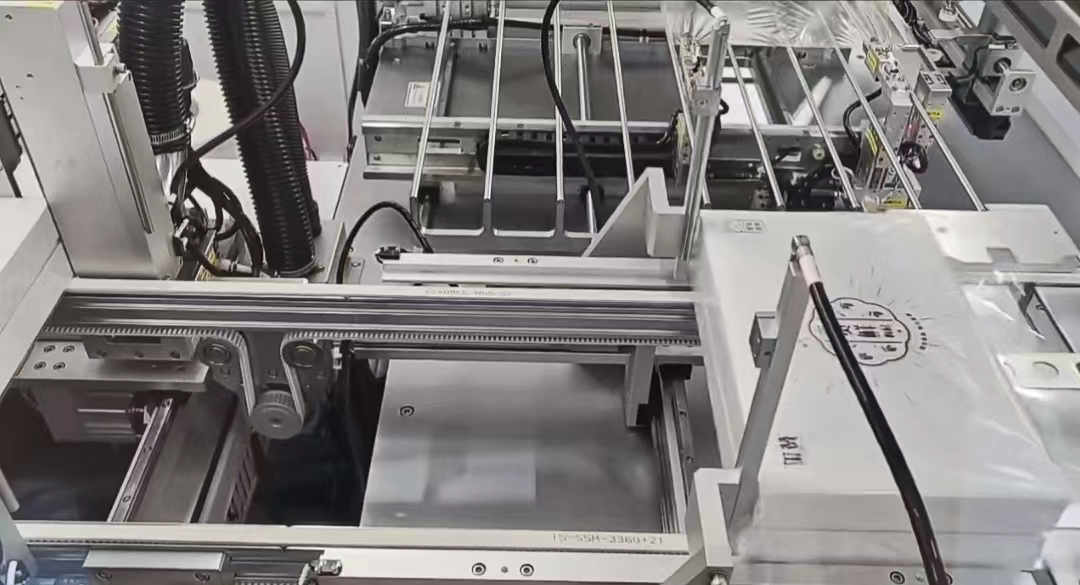
Understanding the Wrinklefree Shrink Wrapping Machine: Core Mechanics and Capabilities
Traditional shrink wrapping systems often struggle with inconsistent heat application and inadequate tension control—leading to unsightly wrinkles, uneven seals, and compromised product presentation. This directly impacts brand perception, especially in high-value sectors like electronics, cosmetics, and pharmaceuticals, where packaging aesthetics are non-negotiable. The wrinklefree shrink wrapping machine resolves these challenges through precision-engineered mechanics. Unlike conventional systems, it integrates sophisticated temperature control modules and adaptive pressure regulation technologies to ensure uniform heat distribution across the film surface during shrinking—eliminating hot spots that cause distortion. Synchronized conveyor systems and precisely calibrated tensioners maintain optimal film alignment and tautness throughout the process. The synergy of precise heat management, adaptive pressure, and synchronized movement achieves tolerances as tight as 0.1mm, delivering consistently smooth, professional, and wrinkle-free packaging essential for premium brands.
Optimizing Heat Application for a Smooth, Wrinkle-Free Finish
Proper heat control is the most critical factor for eliminating film defects. A wrinklefree shrink wrapping machine can only deliver a flawless surface if heat is applied evenly and at the correct intensity.
Achieving Uniform Heat Distribution Across the Film Surface
Uneven heat is the primary cause of wrinkles: when one area shrinks faster than another, tension differentials create ripples or puckers. To prevent this, the heating chamber must direct air or infrared energy consistently across every part of the package. Adjustable conveyor speed and airflow baffles help eliminate cold spots, while advanced machines use multiple independent heating zones to maintain equal temperature from edge to edge—ensuring even contraction and tight, distortion-free wrapping. Regular cleaning of heating elements is also essential to prevent dust-induced hot spots.
Fine-Tuning Temperature and Dwell Time to Prevent Over-Shrinking
Even with uniform heat, improper temperature or dwell time can compromise finish quality. Excessive heat causes over-shrinking—resulting in stress marks, thinning, or film rupture—while insufficient heat leaves the film loose and prone to sagging and wrinkles. Operators should begin with the film manufacturer’s recommended temperature range and adjust in small increments (typically 5–10°F or 3–6°C), observing shrink behavior closely. Dwell time—the duration the package spends in the heat tunnel—must be balanced accordingly: a longer dwell at a lower temperature often yields smoother results than brief exposure to high heat. Sample testing with each new product-film combination identifies the optimal settings; documenting these in a standard operating procedure ensures repeatability and premium output.
Selecting and Matching Shrink Film to Your Wrinklefree Shrink Wrapping Machine
Choosing the right shrink film is critical to achieving a flawless finish. The film must align with both your machine’s technical capabilities and your product’s physical requirements—mismatched material, gauge, or shrink ratio can undermine even the most advanced equipment.
How Film Material, Gauge, and Shrink Ratio Impact Surface Smoothness
Film material dictates shrink behavior and optical clarity. Polyolefin offers strong, even shrink characteristics ideal for minimizing wrinkles and is widely used in food, retail, and pharmaceutical packaging per FDA 21 CFR 177.1520 compliance. PVC delivers a crisp, glossy wrap but has environmental and regulatory limitations. Polyethylene suits heavy or irregular items but requires careful tension control. Gauge (thickness) influences both durability and thermal response—a thicker film provides strength but demands more precise heat calibration to avoid uneven shrinkage. Shrink ratio must match the product’s geometry: too high a ratio risks over-contraction and creasing, particularly around corners or contours. Always validate new films on your machine before full-scale production.
Operational Best Practices to Ensure Consistent Premium Results
Achieving consistent premium results with a wrinklefree shrink wrapping machine depends on disciplined setup, real-time monitoring, and proper handling—not just hardware capability.
Calibrating Speed, Tension, and Alignment for Wrinkle Prevention
Conveyor speed must match the film’s shrink kinetics: too fast limits heat transfer and causes incomplete shrinking; too slow invites over-shrinking and thermal stress. Film tension should be set just high enough to secure the product without stretching the material—over-tensioning induces puckering and edge lifting. Alignment of the film roll, sealing bar, and guide rollers must be verified regularly; even minor misalignment introduces diagonal wrinkles or skewed seals. These parameters should be checked at shift start and after every film change. Maintaining a log of validated settings per product-film configuration reduces setup variability and supports rapid, reliable changeovers.
Avoiding Common Errors: Loading, Sealing, and Post-Shrink Handling
Common operational pitfalls include overloading the machine beyond its rated capacity—causing uneven heat exposure and inconsistent shrink profiles. During sealing, weak seals may burst under shrink force, while excessive seal temperature can melt or tear the film. Post-shrink handling is equally consequential: removing products before the film fully cools stretches the material and reintroduces wrinkles. Integrating a cooling tunnel—or allowing adequate dwell time on the exit conveyor—ensures the film sets properly. Staff training on these critical touchpoints, combined with routine maintenance and a clean, organized workspace, sustains defect-free performance and reinforces brand integrity.
FAQ
What is a wrinklefree shrink wrapping machine?
A wrinklefree shrink wrapping machine is a specialized system engineered to enhance packaging aesthetics by eliminating wrinkles, uneven seals, and distortions during the shrink wrapping process. It achieves this through precise heat application, adaptive pressure regulation, and synchronized movement mechanisms.
Why is uniform heat distribution crucial in shrink wrapping?
Uniform heat distribution ensures consistent shrinkage across the film surface, preventing defects like ripples, puckers, or over-shrinking. Advanced machines use independent heating zones and airflow controls to maintain equal temperature during operation.
What factors influence film selection for shrink wrapping?
Film material, gauge, and shrink ratio significantly affect packaging quality. Polyolefin is ideal for most applications, but properties like thickness and shrink ratio should be matched to the product and machine’s capabilities.
How can operators prevent wrinkles and uneven seals?
Calibrating conveyor speed, film tension, and alignment regularly ensures proper shrinking. Avoiding overloading, maintaining validated settings, and post-shrink cooling are also effective practices for wrinkle prevention.
What are common operational pitfalls, and how can they be avoided?
Issues like overloading machines, using mismatched films, and improper post-shrink handling can introduce defects. Adequate staff training, routine maintenance, and workspace organization help avoid these errors.