
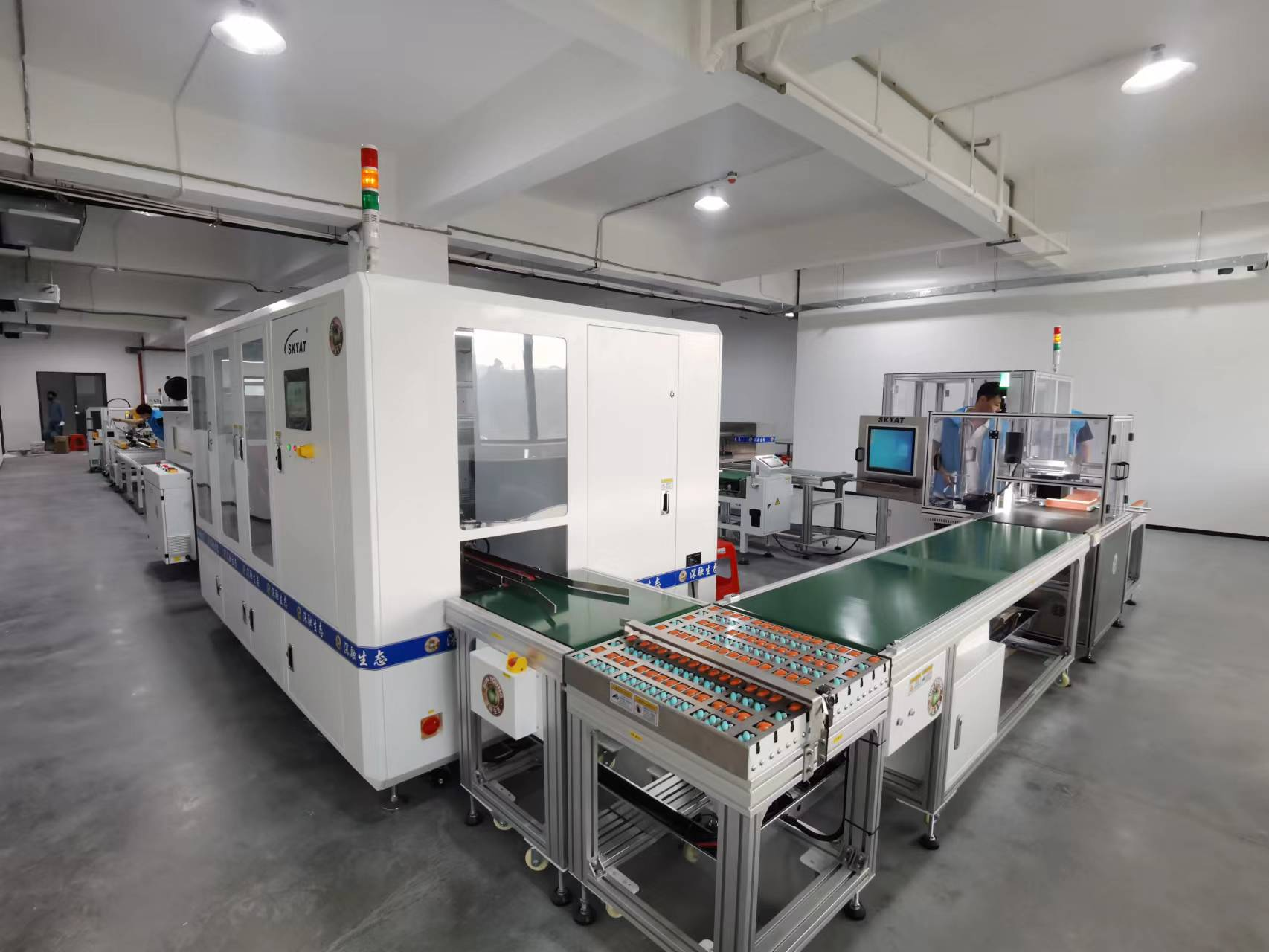
How the Intelligent Cornercutting Wrapping Machine Drives Direct Cost Savings
Precision Cornercutting Cuts Stretch Film Waste by Up to 22%
Cornercutting tech works by putting stretch film exactly where it needs to go on pallets, cutting out all that extra wrapping around corners while still keeping everything secure. The result? Less wasted film overall, somewhere around 22% less according to tests. Companies save money on materials because they're not throwing away so much plastic. These systems actually have cameras built in that measure each pallet as it comes through, then adjust how the film gets laid down and where it cuts off. Food and drink companies have been using this stuff for years now, and their quality checks (those ISO 22000 ones) show it meets all the safety standards required for packaging products meant for consumption.
Adaptive Tension Control Optimizes Film Usage per Load
Adaptive tension control keeps track of load weight, height, and stability using load-cell feedback along with ultrasonic sensors. The system then adjusts the film tension automatically as wrapping happens. This helps avoid two common problems: when the film isn't stretched enough and loads might collapse, or when it gets too tight and starts damaging cartons or actually deforming the products themselves. What we end up with is much more consistent use of film that's optimized for each specific load. On average, this cuts down on film consumption per pallet somewhere around 12 to 15 percent. And there's another benefit too - film related rework drops significantly, about 31% according to tests done by outside experts at the Packaging Machinery Manufacturers Institute back in their studies last year.
Labor and Operational Efficiency Gains from Automation
The intelligent cornercutting wrapping machine transforms labor-intensive pallet wrapping into a streamlined, repeatable process—directly addressing time inefficiency and inconsistency inherent in manual operations.
Cycle Time Reduction: From 42s to 19s per Pallet Load
Robotic arms now handle all three steps at once: dispensing film, cutting corners, and sealing everything shut in one smooth move. No more messing around with manual adjustments or waiting for operators to reposition themselves between tasks. The result? Cycle times drop dramatically, going from an average of 42 seconds down to just 19 seconds per pallet. For warehouses wrapping over 200 pallets each day, this means they can actually get through about 38 to 42 extra loads every hour without needing any extra hands on deck or paying for overtime hours. Pretty impressive when looking at productivity gains alone.
31% Drop in Rework and Product Damage Due to Human Error Elimination
When machines apply consistent tension and sensors guide proper alignment, they tackle those big problems people often make manually: films getting off track and wrapping pressure being all over the place. Logistics companies have seen something pretty impressive happen after implementing these systems. Damage claims after shipping and the need for internal fixes actually went down around 31% during their 12 month testing period. Another neat feature worth mentioning is the sensor technology that detects corners properly. This stops films from going in wrong places, which was causing headaches for warehouse managers. We're talking about roughly $18k lost every year due to these mistakes alone at medium sized distribution facilities.
ROI Timeline and Total Cost of Ownership Analysis
14–18-Month Payback Period Despite Higher Upfront Investment
The upfront cost typically ranges between ninety thousand to a hundred twenty thousand dollars for smart corner cutting wrap machines, but businesses usually see their money back within fourteen to eighteen months when handling medium volume workloads around 150 to 250 pallets each day. What makes this return on investment so quick? There are actually three main areas where savings stack up over time. First off, companies tend to cut down on stretch film usage by about twenty two percent. Second, cycle times get dramatically better, improving roughly fifty five percent according to actual field tests rather than just theoretical numbers. And third, there's significantly less product damage and subsequent rework needed, dropping by approximately thirty one percent. When all these factors come together, they result in monthly savings somewhere between eighteen thousand and twenty five thousand dollars. That means many businesses recover their entire initial investment well before reaching the second anniversary mark of installation.
5-Year TCO Comparison: Manual vs. Intelligent Cornercutting Wrapping Machine
A five-year Total Cost of Ownership (TCO) analysis for a facility wrapping 200 pallets daily reveals the long-term economic advantage of automation:
| Cost Factor | Manual Wrapping | Intelligent Cornercutting Wrapping Machine |
|---|---|---|
| Initial Investment | $20,000 | $100,000 |
| Film Consumption | $250,000 | $195,000 (-22%) |
| Labor | $300,000 | $150,000 (-50%) |
| Rework & Damage | $50,000 | $34,500 (-31%) |
| Total 5-Year TCO | $635,000 | $512,000 |
The intelligent system delivers $123,000 (19%) lower TCO—driven overwhelmingly by material optimization, labor productivity, and quality assurance. Maintenance and energy costs differ by ¤3%, confirming that operational savings—not marginal utility differences—anchor the value proposition.
Real-World Validation: Beverage Distributor Achieves 27% Lower Packaging Labor Costs
When a large beverage distributor in North America installed smart corner cutting wrapping machines at two distribution centers, they saw their packaging labor costs drop by nearly 27% over ten months. The automation cut out around 14 full time equivalent hours each shift that used to go into manual wrapping work, which allowed employees to focus on things like checking inventory levels and making sure orders were accurate. Less film went to waste too, down about 19% as expected from what we know about precision corner cutting technology, and the system could handle more product now, going from 32 to almost 47 loads per hour. Something really important happened too: injuries related to the repetitive motions of wrapping dropped by 15% according to the latest PMMI safety report from 2023, which actually helped reduce workers comp insurance costs. Looking at all these savings and improvements, the company calculated their return on investment took just 14 months, showing how investing in smart corner cutting transforms packaging operations from something that just costs money into a real asset that strengthens day to day operations.
Frequently Asked Questions (FAQ)
What is cornercutting in wrapping machines?
Cornercutting in wrapping machines refers to technology that mimics the pallet's corners to reduce excess film usage while maintaining its secure wrapping. This approach conserves material and minimizes waste.
How does adaptive tension control work?
Adaptive tension control uses load-cell feedback and ultrasonic sensors to monitor load weight, height, and stability. The system adjusts the film tension automatically to ensure optimal wrapping, preventing load collapse or product damage.
What are the advantages of automating pallet wrapping?
Automating pallet wrapping enhances operational efficiency by significantly reducing cycle times, minimizing human error, and lowering rework and product damage rates. It also optimizes film usage and reduces labor costs.
Is the initial investment in intelligent machines worthwhile?
While the initial investment is higher, companies often see a payback period ranging from 14 to 18 months due to reduced film consumption, faster cycle times, and decreased product damage, collectively resulting in significant savings.
How does automation affect workplace safety?
Automation reduces injuries related to repetitive manual wrapping tasks, helping lower workers' compensation insurance costs and creating a safer work environment.
Table of Contents
- How the Intelligent Cornercutting Wrapping Machine Drives Direct Cost Savings
- Labor and Operational Efficiency Gains from Automation
- ROI Timeline and Total Cost of Ownership Analysis
- Real-World Validation: Beverage Distributor Achieves 27% Lower Packaging Labor Costs
- Frequently Asked Questions (FAQ)