
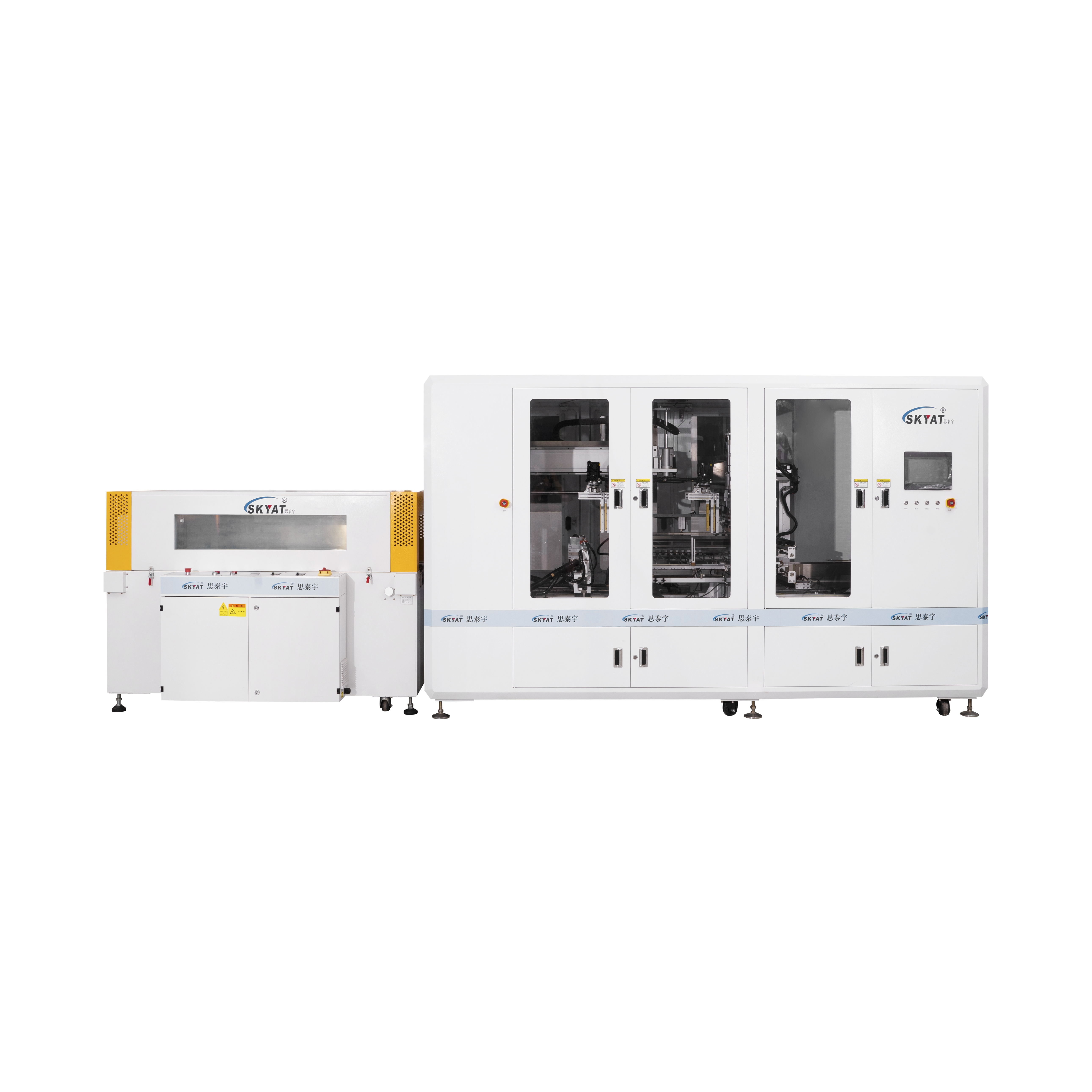
In the fast-evolving landscape of industrial packaging, intelligent corner cutting wrapping machines have emerged as a transformative solution for businesses across diverse sectors, from 3C electronics and cosmetics to food and beverage, household appliances, and publishing. Far beyond a simple upgrade to traditional packaging equipment, these smart machines combine precision engineering, automated operation, and adaptive technology to address the core pain points of modern production—inefficiency, material waste, inconsistent quality, and rising labor costs. For manufacturers and packagers aiming to boost operational performance, elevate product presentation, and build a scalable production model, the benefits of intelligent corner cutting wrapping machines extend far beyond the packaging line, driving tangible value across the entire business. Below, we explore the key advantages that make these machines a strategic investment for forward-thinking enterprises.
Unparalleled Operational Efficiency and Labor Reduction
The most immediate and impactful benefit of intelligent corner cutting wrapping machines is their ability to deliver unmatched operational efficiency through full automation. Unlike manual or semi-automatic corner cutting and wrapping processes, which rely on human intervention for every step—from measuring and cutting film to sealing and shaping—these intelligent machines execute the entire workflow with minimal human oversight. Equipped with advanced programmable logic controllers (PLCs) and sensor technology, they process products at a consistent, high speed, eliminating bottlenecks caused by human fatigue, error, or slow manual work. A single intelligent corner cutting wrapping machine can replace a team of manual packagers, slashing labor costs significantly while increasing daily production output by up to several times. What’s more, these machines feature quick changeover capabilities, allowing operators to adjust settings for different product sizes and shapes in minutes—no costly retooling or downtime required—making them ideal for businesses with diverse product lines and variable production demands.
Precision and Consistency for Premium Product Presentation
Packaging is the first impression a product makes on consumers and retailers, and intelligent corner cutting wrapping machines ensure this impression is a polished, professional one. These machines deliver micron-level precision in corner cutting, film lamination, and sealing, creating wrinkle-free, perfectly aligned packaging with crisp, clean edges every time. This consistent quality eliminates the inconsistencies of manual packaging—such as uneven cuts, loose film, or misaligned corners—that can detract from a product’s visual appeal and perceived value. For high-end sectors like cosmetics, luxury goods, and premium electronics, this level of precision is non-negotiable, as it elevates shelf presence and differentiates products in crowded retail environments. Beyond aesthetics, the precise sealing provided by these intelligent machines also ensures a tight, secure wrap that protects products from dust, moisture, and damage during transportation and storage, reducing product loss and return rates for businesses.
Optimized Material Usage and Sustainable Packaging Practices
Sustainability has become a core priority for businesses and consumers alike, and intelligent corner cutting wrapping machines play a critical role in building eco-friendly packaging operations by minimizing material waste. Traditional manual packaging often leads to excessive film usage, as workers cut more material than needed to avoid errors. In contrast, these smart machines use advanced film control technology to cut exactly the amount of wrapping material required for each product, reducing plastic waste and lowering material costs simultaneously. Many models are also compatible with recyclable and biodegradable packaging films, aligning with global sustainability goals and regulatory requirements for reduced single-use plastic. Additionally, intelligent corner cutting wrapping machines feature energy-efficient motors and heating systems, consuming far less power than outdated packaging equipment—further reducing the carbon footprint of production and supporting businesses in their sustainability initiatives without compromising performance.
Enhanced Durability and Low Maintenance for Long-Term Reliability
Intelligent corner cutting wrapping machines are engineered for industrial use, with robust, high-quality components that deliver long-term reliability and minimal maintenance needs. Unlike low-grade semi-automatic equipment that requires frequent repairs and part replacements, these smart machines are built to withstand the rigors of continuous high-volume production, with self-diagnostic features that alert operators to potential issues before they lead to unplanned downtime. Routine maintenance is simple and straightforward, with accessible parts and intuitive operator interfaces that reduce the need for specialized technical support. This durability translates to lower total cost of ownership over the machine’s lifespan, as businesses save on repair costs, downtime, and replacement parts. For enterprises looking for a long-term packaging solution, the reliability of intelligent corner cutting wrapping machines ensures consistent production and a solid return on investment.
In summary, intelligent corner cutting wrapping machines offer a holistic set of benefits that address the most pressing challenges of modern industrial packaging—driving efficiency, reducing costs, elevating quality, and supporting sustainability. For businesses across every sector, investing in these smart machines is not just a way to upgrade packaging operations; it is a strategic move to boost competitiveness, improve product value, and build a scalable, future-proof production model. As the packaging industry continues to move toward automation and smart manufacturing, intelligent corner cutting wrapping machines are no longer a luxury—they are an essential tool for success.