
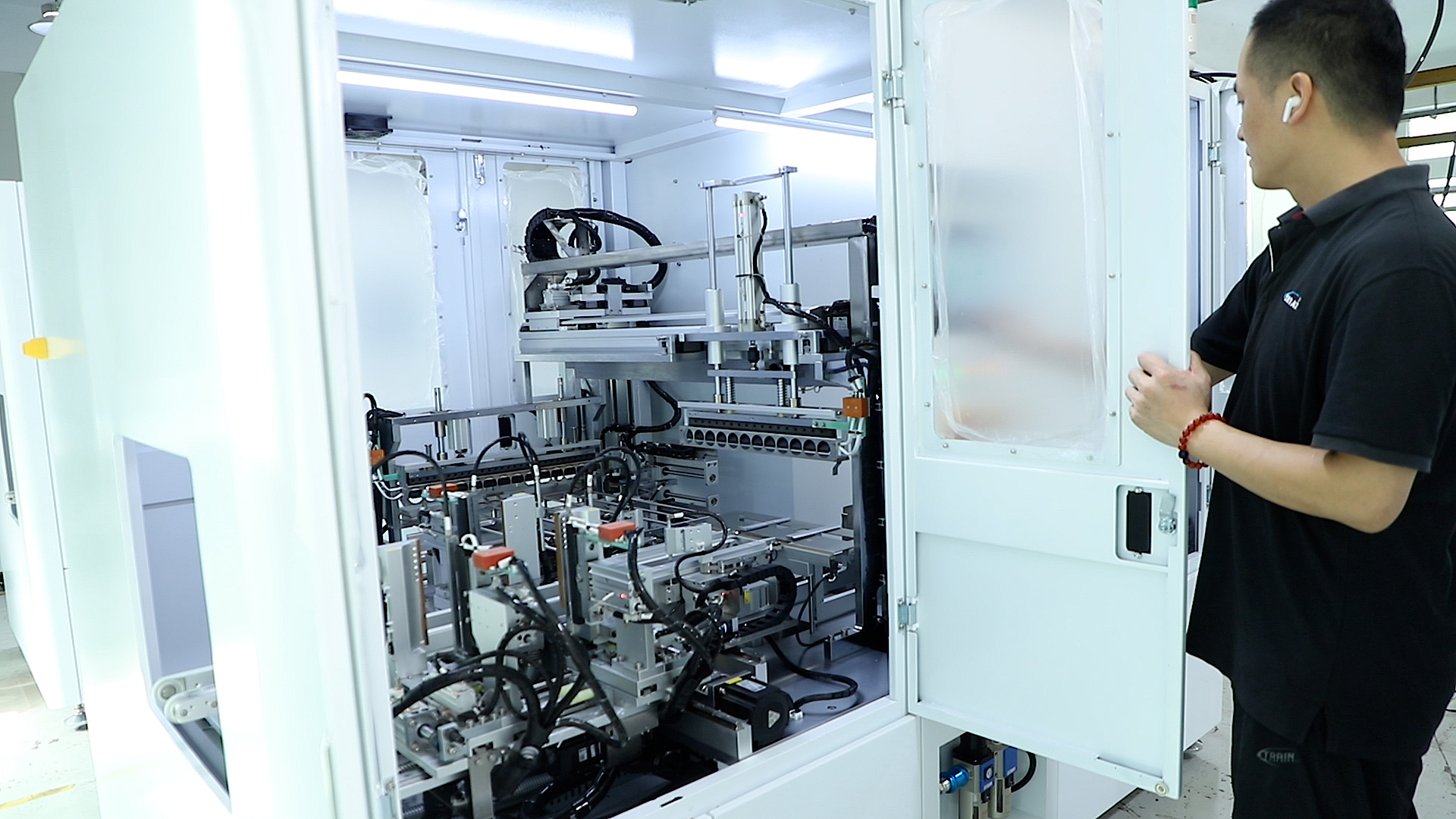
Enhanced Production Efficiency with Automated Cutting & Laminating
Speeding up manufacturing timelines
Bringing automated cutting and laminating equipment into the production line really speeds things up for manufacturers. These machines cut down on wasted time across multiple stages of the process, so orders get fulfilled much faster than before. For companies operating in tight competition, shaving off around 30% from their usual lead times makes all the difference when it comes to meeting deadlines and keeping customers happy. The newer models on the market today have made setup and switching between different jobs much easier too. This means production lines don't sit idle as long between projects, allowing factories to handle more work without constant interruptions or delays.
Reducing manual labor costs
Automatic cutting and laminating machines cut down on manual labor expenses quite a bit, maybe around half depending on how they're implemented. When companies save money this way, they can move their workers into positions requiring actual skills rather than just following steps all day long. The machines handle most of the work themselves, so there's not much need for people to step in manually anymore. This means less time spent training new employees too since the equipment does most of what used to require hands-on attention. Getting rid of those boring repetitive jobs frees up staff to do things that actually matter for the business, like coming up with new ideas or improving processes instead of just standing at a machine all shift.
Minimizing operational downtime
Cutting and laminating systems that run automatically are built to last longer between breakdowns and keep operations moving without unnecessary stops. Most manufacturers include scheduled maintenance routines that actually spot problems before they happen, which means fewer interruptions during production runs. Some of the newer models come equipped with smart analytics tools that basically read the machine's condition like a doctor reading test results. When something looks off, technicians get alerts so they can fix it before anyone even notices there might be an issue. For manufacturing plants where every minute counts, this kind of forward thinking really pays off. Industries from food packaging to automotive parts rely on these systems to stay ahead of competitors who still deal with constant equipment failures.
Precision Four-Corner Cutting Accuracy
Getting really precise cuts matters a lot when it comes to keeping up quality standards during production runs. When manufacturers invest in better cutting tech, they get consistent measurements on every single item produced, which means there are far fewer differences between products. Take automated cutting systems for instance these days they can hit tolerances around 0.01 inch, making sure everything looks pretty much the same after coming off the line. The benefits go beyond just looking good too. With this kind of accuracy, factories don't have to deal with so many defective parts needing fixing or being thrown away altogether. Looking at actual shop floor experience, companies that focus on accurate cutting tend to save money in the long run because they waste less raw materials while still meeting their output targets without compromising on quality expectations.
Uniform Laminating Application
Getting consistent lamination across product surfaces matters a lot when it comes to producing quality finishes, particularly important for companies involved in packaging and material handling operations. Modern automated laminators spread protective films evenly over materials, which helps meet those tough quality specs that manufacturers have to follow these days. The consistent coverage makes all the difference in terms of how long these laminated items last and how well they perform under different conditions. What's really handy about going automatic is the ability to watch the whole process as it happens. Operators can spot problems almost instantly and tweak settings before anything gets too far off track. Even minor issues get fixed right away, so nothing slips through that might compromise the final product's strength or lifespan down the road.
Elimination of Human Error
When it comes to cutting and laminating tasks, automation brings real value when it comes to minimizing those pesky human mistakes that happen during delicate operations. The machines just don't make the same kinds of errors people do, so products come out consistently every time, which makes customers happy in the long run. Studies across different industries have found that switching to automated systems can slash defect rates down to around 10% of what they were before going fully manual. What this means is that factories get better reliability day after day, and clients start trusting the quality of what they receive from these operations. For manufacturers looking to stay ahead of the competition, getting serious about automation isn't just nice to have anymore it's becoming essential if they want their production lines to keep running smoothly without all those costly mistakes.
Cost-Effectiveness and Material Savings
Reduced Waste Optimization
Waste reduction has become really important for companies trying to save money while being environmentally friendly. Modern shrink wrap machines are packed with tech improvements that actually cut down on material waste quite a bit. Some manufacturers report around 25 percent less waste when using these newer models. That kind of efficiency saves cash at the bottom line and does good things for the planet too since less waste means lower carbon emissions overall. Most automatic systems now have smart features that tweak cutting settings automatically to reduce leftover scraps. This makes sure materials get used properly without wasting anything unnecessary. When businesses invest in these kinds of automated solutions, they find themselves walking a fine line between running operations smoothly and taking care of their ecological impact simultaneously.
Lower Operational Expenses
Investing in automated shrink wrap machinery often pays off handsomely when looking at ongoing expenses down the road. Sure, the upfront price tag might raise eyebrows at first glance, but these systems typically make up for it through much lower power usage and far fewer repairs needed over time. The bottom line? Companies see real money saved month after month. Take XYZ Packaging as an example they got their investment back inside just nine months thanks to cutting down on hourly wages for workers who used to handle wrapping manually plus ditching those old clunky machines that constantly broke down. When businesses switch to automation, they not only run smoother day to day but also slash electricity bills while keeping output steady without any dips during busy periods.
Long-term ROI Advantages
When companies invest in good quality automated shrink wrap machines, they tend to see real advantages down the road, mainly because operations run faster and smoother day after day. Looking at actual business experiences rather than just numbers on paper, most manufacturers who switch to automation report better bottom lines within about three to five years, sometimes seeing profits jump anywhere from 12% to maybe even 25%. The reason? These systems give factories much more control over their processes and let them tweak things quickly when production needs change. A food packaging plant might start wrapping snacks one week and switch to medical supplies the next without huge capital outlays for new machinery. What makes this work so well is that once these systems are up and running, ongoing tweaks keep them performing at peak levels, helping businesses hold onto market share while competitors struggle to catch up with manual processes that just cant keep pace anymore.
Versatile Industry Applications
Packaging Industry Solutions
Automatic cutting and laminating machines are changing how packaging gets made, especially when it comes to handling all sorts of size requirements and making shrink wrap faster than ever before. What makes these systems so valuable is how they cut down on wasted time during production runs. Take shrink wrap for instance it's basically everywhere in modern packaging. According to recent market analysis, the automated shrink wrap segment alone has been growing at around 5% per year. Manufacturers are clearly seeing the value here since these machines not only speed things up but also handle different product sizes without missing a beat. As competition heats up across the packaging sector, companies investing in automation now find themselves better positioned to scale operations while still keeping costs under control something that matters a lot in today's tight manufacturing environment.
Graphic Design Enhancements
Graphic design has really changed since automated cutting came along, making it possible to create those detailed designs with all sorts of complicated shapes and lines. Designers now have way more freedom when putting together eye-catching projects that stand out. Good laminating makes all the difference too, giving graphics that polished look clients love seeing. The speed boost from these machines means prototypes get done faster, something that matters a lot when deadlines are tight and competition is fierce. Better looking graphics aren't just about aesthetics though they actually cut down production time as well, letting designers work smarter and adjust their approach as needed without getting stuck in long wait times between steps.
Industrial Component Protection
Laminating and cutting machines are pretty important in factories when it comes to protecting parts while they're being shipped around. Stretch wrap and shrink film really help keep fragile items safe as they move through warehouses and onto trucks. Some numbers show that companies using automated packaging systems see damage drop by roughly 40 percent over old fashioned manual wrapping methods. For manufacturers dealing with sensitive electronics or精密 machinery, keeping components undamaged all the way from production line to customer doorstep matters a lot. When businesses switch to these better packaging practices, they not only save money on replacements but customers get what they ordered without surprises. That kind of reliability builds trust and keeps everyone happy with the delivery experience.
Future-Ready Automation Trends
IoT Connectivity Integration
Looking ahead, automated cutting and laminating operations are going to connect through IoT technology for better control and oversight of their day-to-day running. When manufacturers integrate these smart systems, they can track everything from machine performance to material usage in real time, which means plant managers don't have to wait until problems arise before taking action. While many see this move toward connected factories as just another efficiency boost, there's actually something deeper happening here too. Factories become more adaptable when they can respond instantly to market shifts or supply chain issues. Some estimates suggest around 30 percent of plants might adopt some form of IoT system by mid-decade, though actual adoption rates could vary depending on factors like investment budgets and technical readiness across different regions.
Sustainability Advancements
More and more companies are starting to focus on being sustainable these days, which means lots of manufacturers are looking at ways to green up their operations. Automation plays a big role here actually, since smart machines can speed things along while still allowing for the use of recycled materials and other environmentally friendly approaches. When factories implement these kinds of changes, they tend to generate less waste overall and have a smaller impact on the environment. Businesses that really commit to going green often find their customers start trusting them more and sticking around longer too. Some studies suggest that brands with strong sustainability credentials see anywhere from 15 to 25 percent boost in customer loyalty over time.
Maintenance and Longevity Features
Today's cutting edge automated cutting and laminating equipment is built to withstand years of heavy use without breaking the bank on repairs. Many manufacturers now include smart sensors that monitor how well the machines are running and flag when parts might need attention before they fail completely. Take for instance the XYZ-3000 model which actually learns from its own usage patterns over time. When companies adopt this kind of forward thinking approach, their machines tend to stay productive far longer than older models. The bottom line? Less unexpected breakdowns mean production keeps moving instead of grinding to a halt during critical moments. Factories that have made the switch report around 30% fewer interruptions in their workflow, which translates into real money saved and customer satisfaction improved across the board.