
Enhancing Product Aesthetic Appeal with Precision Wrapping Technology
How Advanced Wrapping Improves Product Appearance and Professional Presentation
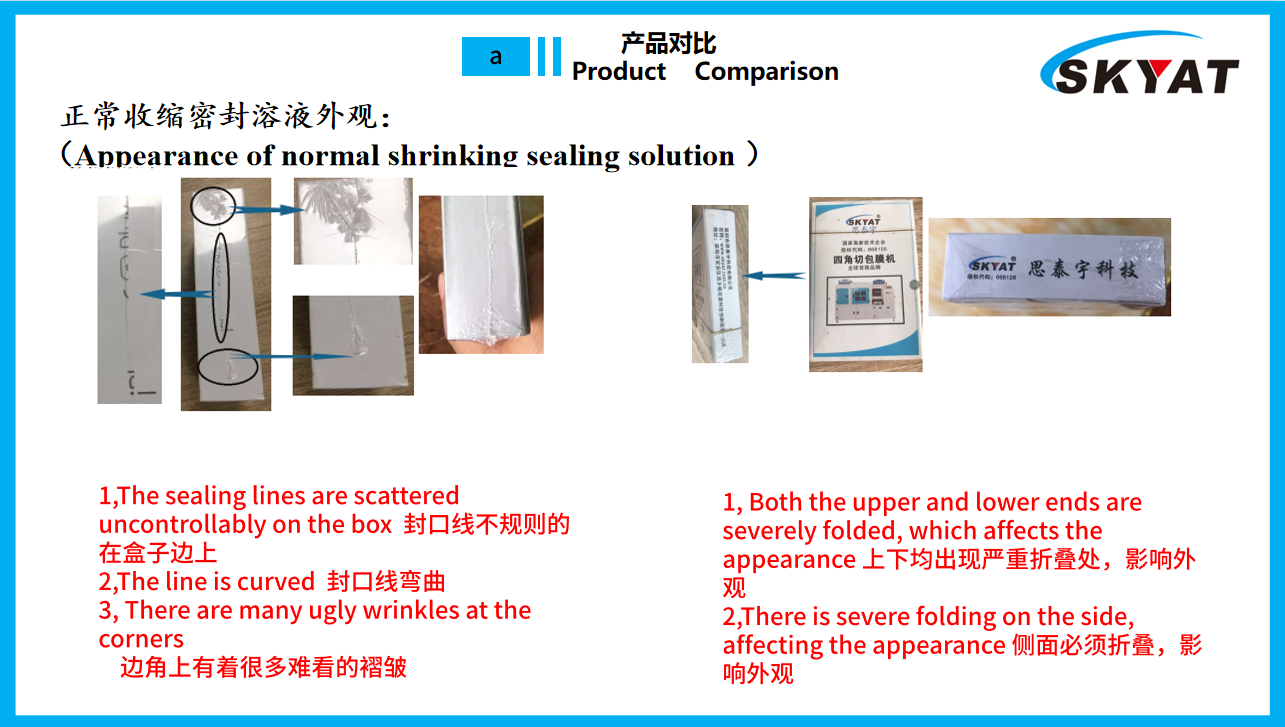
The latest wrapping machines aren't just about getting things sealed properly anymore. They actually turn ordinary packaging into something that boosts brand image. These systems basically iron out all those pesky wrinkles and air bubbles that ruin the look of products on store shelves. According to Packaging Insights data from last year, when packaging looks consistent across products, customers tend to value them around 23% higher. That's why high end fashion brands, gadget manufacturers, and companies selling holiday decorations really care about getting their wrapping right. A poorly wrapped item just doesn't cut it in these markets where first impressions matter most.
Precision Sealing and Tension Control for Consistent, High-Quality Finishes
Sophisticated tension sensors and servo-driven film dispensers maintain ±0.5% force accuracy during wrapping—key for flawless presentation of irregularly shaped items like gourmet gift baskets or designer candles. Heat sealing modules with adaptive temperature controls prevent defects such as over-melted edges, preserving delicate materials like metallic laminates or textured papers.
Customization Options for Branding Integration and Visual Differentiation
- Embossing/Debossing Units: Add tactile logos on wrapping films
- On-Demand Print Heads: Apply variable QR codes or promotional messages
- Selective Gloss Coatings: Highlight brand colors under retail lighting
Key Machine Components That Ensure Packaging Accuracy and Visual Appeal
| Component | Function | Impact on Aesthetics |
|---|---|---|
| Laser-guided film feeders | Align materials within 0.2mm tolerance | Eliminates skewed logos or patterns |
| Multi-axis rotary arms | Wrap complex geometries without creases | Enables 3D-shaped gift packaging |
| Micro-perforation blades | Create breathable yet invisible seams | Ideal for premium food presentations |
The Role of Uniformity in Consumer Perception and Retail Readiness
A 2024 retail audit revealed 81% of shoppers equate packaging consistency with product quality. Advanced wrapping systems achieve <2% dimensional variation across batches, ensuring identical shelf presence for multi-packs and seasonal collections—a critical factor for brand recognition in crowded retail environments.
Automation in Advanced Wrapping Equipment: Boosting Efficiency and Consistency
Benefits of Automated Systems for Speed, Reliability, and Presentation Quality
Today's wrapping machines use automation to boost both production speed and how good the packages look. The numbers are pretty impressive too these systems can cut cycle times by anywhere from 25 to almost 40 percent compared to what workers do manually. And they still manage to line up the film just right at the micron level while keeping tension consistent throughout. When products arrive at warehouses or hit store displays, they come out looking smooth without wrinkles, which definitely helps maintain a company's reputation. According to a recent industry report from 2024, most manufacturers who switched to automated wrapping saw their customers complain less about packaging issues. That makes sense when you think about it because nobody wants to open something and find it damaged or misshapen.
How Automation Ensures Consistent Wrapping Performance Across Production Runs
Automated systems eliminate human-caused variability through programmable logic controllers (PLCs) that enforce exacting parameters. Key metrics like film pre-stretch ratios (±2%) and sealing temperatures (±1.5°C) remain stable across 24/7 operations. This consistency is vital for industries like pharmaceuticals, where packaging uniformity directly impacts regulatory compliance and consumer trust during unboxing.
Integration of Advanced Wrapping Machines into High-Volume Packaging Lines
Modern wrapping machines come equipped with standard communication protocols like OPC UA and Ethernet/IP, which makes them sync in real time with what's happening before and after in the production line. The good news is these systems work right out of the box with most existing palletizing setups and conveyor belts. They can handle anywhere between 50 and 1,200 packages each hour without needing someone to tweak settings manually every time. What really matters to manufacturers is keeping that film overlap within about 0.3mm, even when things get busy on the factory floor. This tight control means products look consistent throughout whole batches, something customers definitely notice when they see the finished goods.
Smart Technologies (IoT, AI, Robotics) Driving Real-Time Optimization
IoT-Enabled Monitoring for Real-Time Adjustments and Predictive Maintenance
Wrapping systems connected to the Internet of Things give manufacturers constant insight into how machines are performing and how materials behave throughout the process. The sensors on these systems keep tabs on things such as film tension levels, temperature fluctuations, and whether loads stay stable during operation. When something starts to go off track, the system can make quick fixes that help maintain accuracy even at top speeds. According to Packaging Digest from last year, this kind of monitoring actually cuts down on wasted materials by around 18 percent because it adjusts tension dynamically as needed. Another big plus comes from predictive maintenance features that watch for signs of motor wear and early indications of bearing problems. By catching these issues ahead of time, companies can replace parts before they fail completely, which means fewer unexpected shutdowns and production delays.
AI and Machine Learning for Adaptive Wrapping Processes and Defect Detection
Modern machine learning tech works through old and new data to tweak settings when dealing with weird shapes or packages made from different materials. The self adjusting parts handle changes in how thick the wrapping film is, and those smart eyes powered by artificial intelligence spot problems such as bad overlaps about 99 times out of 100. Factories using this stuff have seen around two thirds fewer people checking quality manually these days. That means fewer stoppages on the production floor and mostly just good looking boxes heading towards stores.
Robotics and Smart Controls Enhancing Flexibility and Operational Insight
Cobots make switching between different wrapping setups much easier, they can handle all sorts of items ranging from delicate electronic parts right through to heavy duty industrial components without breaking a sweat. The control panels are centralized so operators get live updates on things like how long each cycle takes, what kind of energy is being used, and how much wrapping film gets consumed during production runs. These insights help fine tune operations based on actual performance data rather than guesswork. When robotics meets smart analytics, it really makes a difference. Packaging changeovers take about 40 percent less time compared to traditional methods, yet products still look great when they hit the shelves regardless of whether we're talking consumer goods or specialized equipment.
Sustainable and Flexible Innovations in Advanced Wrapping Equipment
Adapting to Diverse Product Sizes and Formats with Flexible Wrapping Solutions
The latest wrapping equipment can handle everything from oddly shaped electronic components to delicate glass items because of its modular design and adjustable tension settings. Manufacturers love the fact that they can use configurable film clamps and adjust the turntables to move seamlessly from wrapping heavy industrial parts on pallets to packaging fragile gift boxes without stopping production. For smaller operations that deal with varied product runs, this kind of versatility means they don't have to invest in several different machines. According to Packaging Digest's report last year, companies adopting these flexible systems saw their capital expenditures drop around 30%, which makes a huge difference when trying to stay competitive in today's market.
Reducing Material Waste Through Pre-Stretch Technology and Film Optimization
Leading systems achieve 40% film savings using pre-stretch ratios exceeding 300%, which thin films without compromising load stability. Real-time torque sensors adjust stretch levels based on product weight profiles—a feature that prevents overuse of materials in 96% of packaging scenarios (2024 Packaging Innovation Report).
Energy-Efficient Designs and Sustainable Components in Modern Wrapping Systems
New wrappers integrate brushless DC motors that consume 22% less power than traditional models while maintaining 15% faster cycle times. Manufacturers are also adopting plant-based films and recycled polymer cores, aligning with the 73% of consumers who prioritize sustainable packaging (Green Business Bureau 2024).
Balancing Sustainability with High-Impact Product Presentation
Advanced systems prove eco-conscious packaging doesn’t require sacrificing visual appeal. Multi-layer film sealing creates crisp edges and wrinkle-free surfaces comparable to premium finishes, while UV-stable biodegradable films maintain shelf visibility for 18+ months. These innovations help brands reduce plastic use by 35% without diminishing unboxing experiences (Sustainable Packaging Coalition 2024).
Frequently Asked Questions
-
How does precision wrapping technology impact brand image?
Precision wrapping enhances packaging aesthetics by eliminating wrinkles and air bubbles, thereby boosting brand image and valuing products higher in consumer perception.
-
What are the benefits of automated wrapping systems?
Automated systems increase production speed, reliability, and presentation quality, reducing cycle times and keeping film tension consistent, thereby minimizing packaging issues.
-
How does IoT-enabled monitoring improve wrapping processes?
IoT-enabled monitoring provides real-time insights and adjustments to maintain accuracy, reduce material waste, and enable predictive maintenance to prevent unexpected shutdowns.
-
What role does AI play in advanced wrapping systems?
AI and machine learning offer adaptive wrapping processes and defect detection, reducing manual quality checks and stoppages while enhancing packaging quality.
-
How do modern wrapping systems address sustainability?
Modern systems integrate energy-efficient designs and sustainable components, achieving material savings and reducing power consumption, contributing to eco-conscious packaging solutions.
Table of Contents
-
Enhancing Product Aesthetic Appeal with Precision Wrapping Technology
- How Advanced Wrapping Improves Product Appearance and Professional Presentation
- Precision Sealing and Tension Control for Consistent, High-Quality Finishes
- Customization Options for Branding Integration and Visual Differentiation
- Key Machine Components That Ensure Packaging Accuracy and Visual Appeal
- The Role of Uniformity in Consumer Perception and Retail Readiness
- Automation in Advanced Wrapping Equipment: Boosting Efficiency and Consistency
- Smart Technologies (IoT, AI, Robotics) Driving Real-Time Optimization
-
Sustainable and Flexible Innovations in Advanced Wrapping Equipment
- Adapting to Diverse Product Sizes and Formats with Flexible Wrapping Solutions
- Reducing Material Waste Through Pre-Stretch Technology and Film Optimization
- Energy-Efficient Designs and Sustainable Components in Modern Wrapping Systems
- Balancing Sustainability with High-Impact Product Presentation
- Frequently Asked Questions