
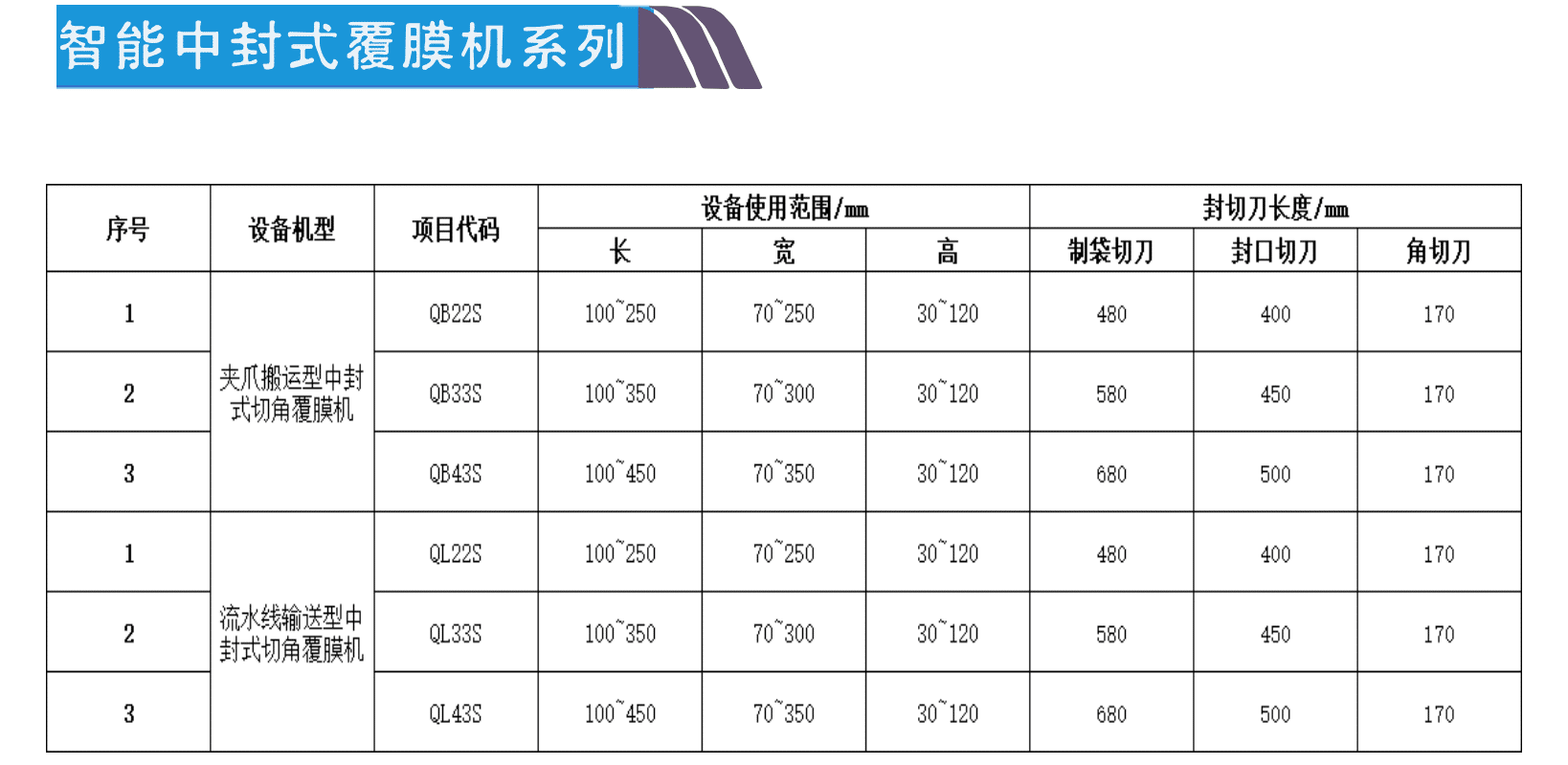
Scalable Production Capacity: From Startup Batches to High-Volume Lines
Modular architecture enabling seamless scale-up without re-engineering
What makes the corner cutting wrapping machine so smart is its modular setup. No need for expensive reconfiguration when expanding production. The servo driven parts just slot right into current factory arrangements. Manufacturers can grow their operations step by step too. Start with small batches of 5 pallets at first, then work up to handling 120 pallets per hour without stopping production entirely. For companies dealing with unpredictable market demands, this kind of adaptability really matters. Take an electronics maker who cut their scaling expenses down around 35% last year simply because they didn't have to tear apart whole production lines when they wanted to double what they were making.
Verified throughput range: 5–120 pallets/hour with single-operator oversight
Tests have shown that these systems can handle everything from tiny batches of less than 10 pallets right up to full scale operations processing 120 pallets per hour, all while needing only one person to watch over things. The reason behind this impressive 24 times boost in productivity? Well it comes down to tools that calibrate themselves automatically and smart software that figures out the best way to sequence loads, keeping measurements accurate within half a millimeter no matter what speed they're running at. Traditional setups tell a different story though. Older machines typically need three workers standing around just to reach 60 pallets an hour. That's why so many companies are switching to automated solutions these days. They get way more done with far fewer staff members on the floor.
Precision Cornercutting Performance: Adaptive Sizing and Sub-Millimeter Accuracy
Servo-controlled blade positioning with ±0.3 mm repeatability
What makes this machine stand out is its remarkable precision thanks to those servo controlled blades. It keeps within about half a millimeter of repeatability throughout long production runs, which actually beats what most industries consider standard by around forty percent. The system has these real time feedback mechanisms that tweak the cutting settings as it goes along, adjusting for when materials aren't exactly uniform or conditions change unexpectedly. Because of this closed loop approach, there's no need for constant manual adjustments anymore. And speaking of savings, companies report cutting down on waste materials by nearly twenty percent. The result? Reliable cuts under a millimeter thick work across all sorts of materials including corrugated cardboard, foam products, and various composite materials too.
Dynamic footprint adaptation: 200 × 200 mm to 1,800 × 1,400 mm load compatibility
The adaptive sizing tech makes it possible to switch between different product sizes without having to stop and retool the equipment. Laser scanners built right into the system can pick up load footprints anywhere from 200 by 200 millimeters all the way up to 1,800 times 1,400 mm, keeping position accuracy within plus or minus half a millimeter throughout that whole range. When adjusting both vertical and horizontal axes, the system does it in under twelve seconds which beats traditional mechanical methods hands down. Plus, since it uses non-contact measurements, there's no risk of damaging products during these size changes. For manufacturers dealing with multiple SKUs on the same line, this means they can keep running continuously without those annoying changeover breaks that slow everything down.
Regulatory-Ready Deployment Across Sensitive Industries
Sensitive manufacturing sectors require equipment that proactively meets regulatory frameworks while adapting to specialized environmental demands.
FDA-compliant materials and ISO 13849-1 PLd functional safety certification
Contact surfaces throughout the equipment are made from FDA-approved materials to prevent any risk of contamination during processing. Plus, the whole system meets ISO 13849-1 PLd standards, which means it has safety features that can spot problems and react to them almost instantly. For companies in the pharmaceutical and food industries, this setup creates detailed records that make audits much easier since tracking materials is required by law in these sectors. When something goes wrong with operating conditions, the built-in safety mechanisms kick in automatically to stop operations before things get worse. This helps avoid those expensive plant shutdowns that typically cost around two hundred thousand dollars each time they happen at facilities under regulatory oversight.
Validated use cases: Electronics (ESD-safe), pharma (cleanroom-ready), food (IP65-rated), cosmetics (low-particulate)
Industry-specific configurations enable seamless transitions between stringent environments:
- ESD-safe models protect sensitive electronics with surface resistance <1×10⁵ Ω
- Pharma variants feature hermetic sealing and HEPA-filtered air purification
- IP65-rated food versions withstand industrial washdown protocols
- Low-particulate cosmetics units achieve emissions below 5,000 particles/m³
A single platform serves multiple high-compliance production lines without retrofitting—reducing validation costs by 40% compared to dedicated equipment.
Seamless Automation Integration: ERP, MES, and Smart Factory Readiness
Native OPC UA and RESTful API connectivity for real-time data exchange
The smart corner cutting wrapping machine works right out of the box with most enterprise systems. Built-in OPC UA and RESTful API support means it can send and receive data directly between ERP and MES platforms, no extra software needed in between. Things like production stats, equipment warnings, and how much material gets used all update automatically these days, so nobody has to wait around for reports anymore. The operators keep an eye on everything through central dashboards, which helps them make quick adjustments when problems pop up on different packaging lines throughout the facility.
FAQ Section
What is the main advantage of the modular architecture?
The modular architecture allows manufacturers to scale production without expensive reconfiguration, making it possible to adapt to changing market demands efficiently.
How does the system maintain high precision in corner cutting?
The system utilizes servo-controlled blades with real-time feedback mechanisms to achieve remarkable precision, ensuring consistent sub-millimeter accuracy.
What industries benefit from the regulatory-ready deployment?
Industries such as pharmaceuticals, food, electronics, and cosmetics benefit from the regulatory-ready deployment due to its compliance with standards like FDA and ISO 13849-1 PLd.
How does the machine integrate into existing enterprise systems?
The machine offers native OPC UA and RESTful API connectivity for seamless integration into ERP and MES systems, enabling real-time data exchange without additional software.