
What Is a One-Key Switching Laminating Machine—and Why It Matters for High-Mix Workflows
Core Mechanism: How One-Key Switching Eliminates Manual Reconfiguration
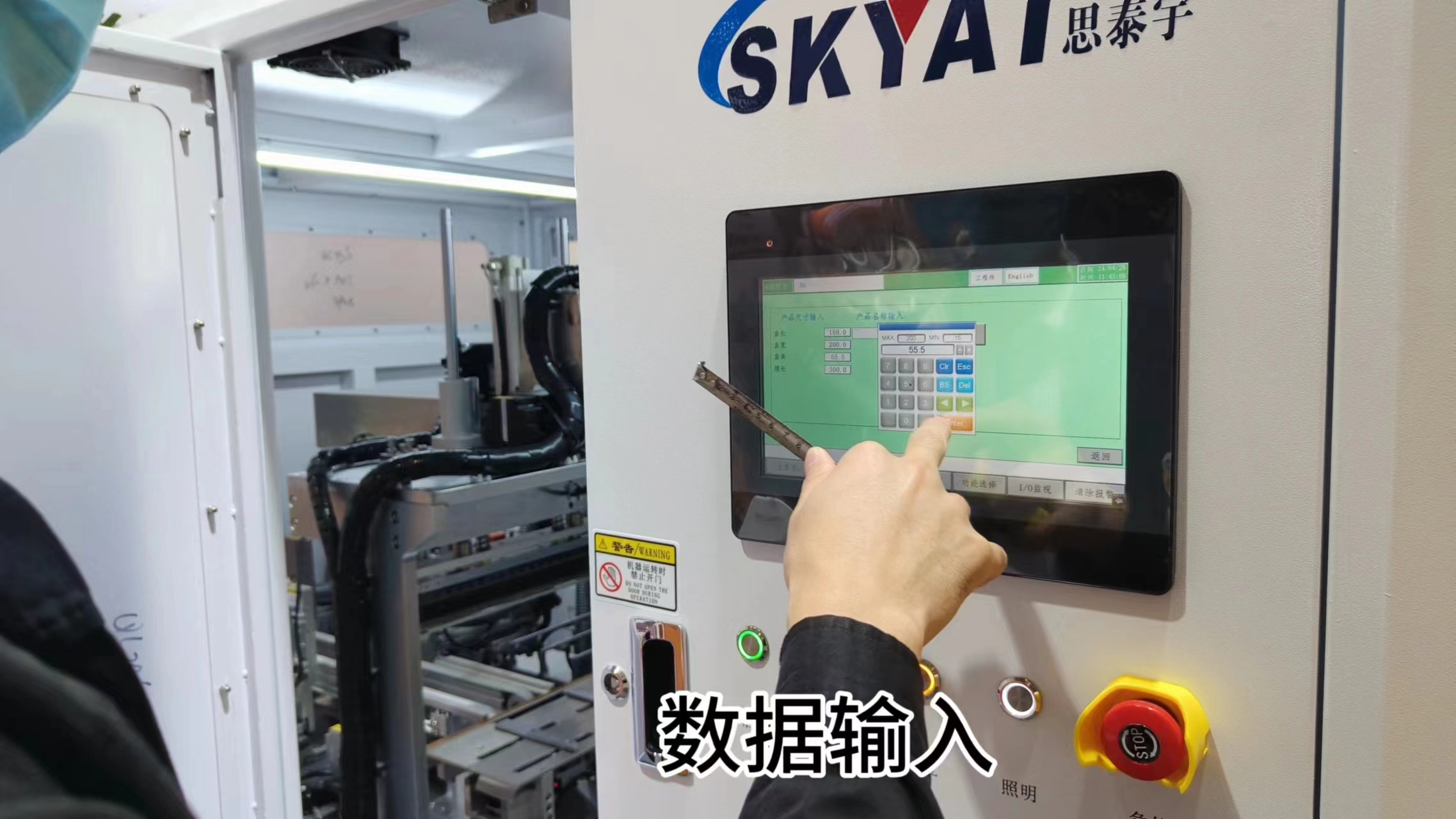
A one-key switching laminating machine stores dozens of pre-programmed recipes for common substrate and finish combinations. With a single button press, it automatically adjusts roller pressure, temperature, speed, and film tension—tasks that once required wrenches, gauges, and 15–20 minutes of manual setup. This design embodies the Single-Minute Exchange of Die (SMED) principle by converting internal setup steps into external, pre-validated actions. Changeover time drops from minutes to under 90 seconds, eliminating human error from misread dials or missed adjustments.
High-Mix Reality: Short Runs, Frequent Substrate Changes, and Tight Deadlines
High-mix production demands frequent job switches—sometimes every 30–60 minutes. Manually recalibrating a laminator for each new substrate (e.g., gloss PET to matte paper) or thickness erodes uptime and increases waste. With one-key switching, the machine adapts instantly, enabling operators to sequence short runs without sacrificing throughput. This capability directly addresses the core challenge of high-mix workflows: sustaining speed and quality when every job is different. The laminator becomes a flexible, responsive asset—keeping lines moving even under tight turnaround pressure.
Performance Validation: Speed, Precision, and Consistency in Variable-Run Environments
Measured Gains: 72% Faster Setup and <90-Second Changeover Between Gloss/Matte or PET/Paper Stocks
Independent validation confirms that one-key switching laminating machines achieve a 72% reduction in setup time compared to traditional models (Ponemon Institute, 2023). This efficiency is critical in facilities managing frequent substrate changes—especially transitions between gloss/matte finishes or PET/paper stocks. Operators complete these shifts in under 90 seconds, with no manual recalibration required. The system relies on pre-programmed settings and closed-loop automation to ensure repeatability and eliminate reconfiguration errors.
Temperature Stability: ±1.2°C Control Across 12-Zone Heating for Uniform Lamination on Mixed Thicknesses
Precise thermal control is essential when laminating diverse substrates within a single schedule. This machine maintains zone temperatures within ±1.2°C of setpoints across its full 12-zone heating system—a level of stability proven to prevent adhesive inconsistencies across extreme thickness ranges (50 gsm paper to 350 gsm cardstock). The segmented heating architecture accommodates varying material widths and thermal mass simultaneously, ensuring uniform adhesive activation and bond integrity. That consistency reduces delamination and bubbling defects—two leading causes of waste in mixed-thickness workflows.
Operational Fit: Evaluating One-Key Switching Laminating Machine Against High-Mix Production Criteria
Feasibility Check: Feed Capacity, Substrate Range (2–350 gsm), and Edge-Guided Alignment
Operational fit hinges on real-world technical alignment. The one-key switching laminating machine handles substrates from ultra-thin 2 gsm tissue to rigid 350 gsm board—without tooling changes or manual recalibration. Its edge-guided alignment system sustains ±0.3 mm registration accuracy across substrate transitions, preventing costly misalignment waste. Key feasibility benchmarks include:
| Factor | High-Mix Requirement |
|---|---|
| Substrate Range | 2–350 gsm compatibility |
| Feed Capacity | Variable thickness handling |
| Alignment Precision | ±0.3 mm edge guidance |
| Changeover Flexibility | No tooling adjustments |
This specification profile enables seamless, sub-90-second transitions between gloss/matte films or paper/PET stocks—consistent with findings from the Packaging and Converting Executive Forum showing similar systems reduce changeover-related waste by 68%.
ROI Context: Reduced Labor Dependency, Lower Waste, and Higher Uptime in Multi-SKU Schedules
Feasibility translates directly into measurable financial return. One-key switching laminators deliver 72% faster setups (PCEF, 2023), significantly lowering labor costs in environments averaging 15+ daily SKU changes. Automation cuts misalignment waste by 42% and improves energy efficiency through targeted 12-zone heating. When evaluating ROI, consider:
- Labor efficiency: One operator manages changeovers previously requiring two technicians
- Uptime improvement: 23% higher machine utilization in multi-job schedules
- Material savings: $740,000 annual reduction in wasted substrates for medium-sized printers
These gains position one-key switching not as a premium feature—but as an operational necessity for converters balancing short runs, tight deadlines, and uncompromising quality.
Frequently Asked Questions
What types of substrates can the one-key switching laminating machine handle?
The machine supports a wide range of substrates, including ultra-thin 2 gsm tissue and rigid 350 gsm board.
How does the one-key switching mechanism improve setup time?
By automating roller pressure, temperature, speed, and film tension adjustments, the machine reduces setup times by 72%, completing transitions in under 90 seconds.
Is this machine suitable for high-mix workflow environments?
Yes, it is specifically designed to adapt to frequent job switches and varied substrate requirements without compromising speed or quality.
What are the financial benefits of using this system?
It lowers labor costs, reduces material waste, and boosts uptime, translating into significant cost savings for operations with multi-SKU schedules.