Enhancing Visual Appeal and Shelf Impact with Wrapping Machines
How Wrapping Machines Elevate Packaging Aesthetics
Wrapping machines today offer a level of precision that simply can't be achieved through manual packaging methods. These automated systems get rid of those pesky inconsistent folds and stubborn air pockets, resulting in smooth, tight surfaces that really make products stand out visually. According to last year's Packaging Insights report, consumers actually value items wrapped flawlessly around 23 percent higher than those with visible defects. That shows how much appearance matters when people decide what to buy. Plus, modern machinery allows for all sorts of fancy designs and embossed textures that brands love to incorporate into their packaging for that extra touch of sophistication.
The Link Between Professional Packaging and Consumer Perception
Industry research reveals 90% of purchase decisions occur at the shelf, where visual presentation dominates. Wrapping machines standardize gloss levels, seam alignment, and film tension–variables that subconsciously signal quality. Airtight seals and wrinkle-free finishes convey meticulous craftsmanship, aligning with consumer expectations for premium products.
Flow Wrapping Machines: Clean, Consistent, and Eye-Catching Results
Flow wrappers excel at creating seamless polyethylene or polypropylene envelopes around irregularly shaped items. Their precision heat-sealing ensures uniform edges, while transparent films showcase products without obstructive seams. This technology is ideal for snack bars, hardware components, and medical devices requiring tamper evidence.
Shrink Film Wrapping for Clarity, Fit, and Shape Definition
Shrink film machines use controlled heat to mold packaging tightly around products, accentuating edges and eliminating excess material. The result is a "second skin" effect that enhances visibility while protecting against dust. For electronics or multi-item kits, this method prevents internal movement that can compromise presentation during shipping.
Overwrapping as a Tool for Premium Brand Positioning
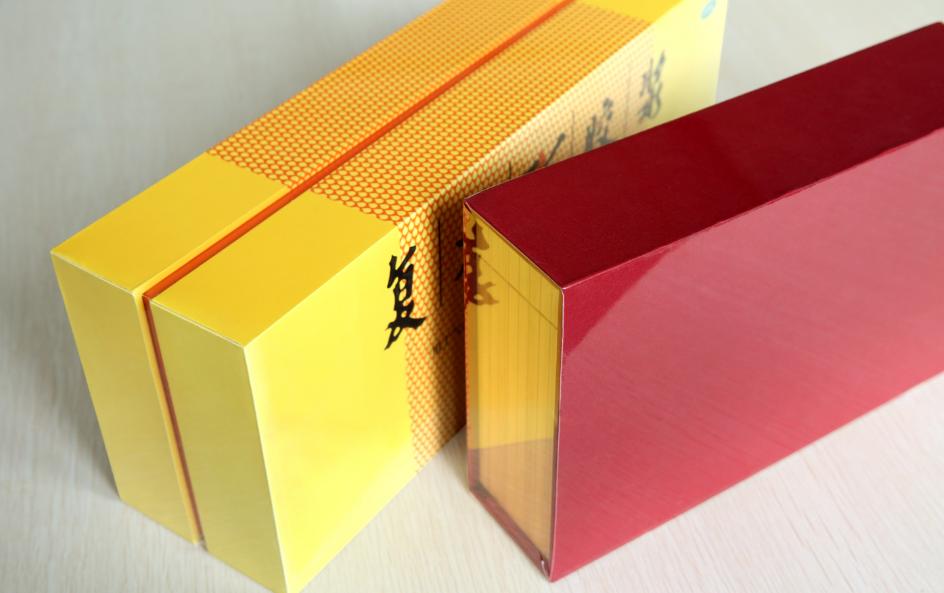
From foil-accented chocolate boxes to embossed cosmetic bundles, overwrapping adds tactile and visual layers that mass-produced packaging lacks. Automated systems apply decorative outer films with registration errors below 0.3mm, ensuring logos and graphics remain centered. Luxury brands leverage this for unboxing experiences that justify price premiums.
Achieving Brand Consistency Through Automated Wrapping Solutions
Eliminating Human Error in Packaging for Uniform Output
When people do packaging manually, things tend to get messy sometimes. Think about those awkward folds, labels that go on crooked, or when the wrapping material isn't tight enough around products. According to a report from Packaging Efficiency in 2023, automated wrapping systems cut down these kinds of problems by almost 90 percent compared to what happens when humans handle everything themselves. Getting rid of repetitive tasks such as sealing plastic films or adjusting box sizes takes away the guesswork for manufacturers. Now they know each item will look exactly right in terms of size and appearance. The importance really hits home in sectors like medicine manufacturing, where even something small like a slightly off-center safety seal could lead to big trouble with regulations and inspections down the line.
Automated Wrapping Equipment: Precision at Scale
Today's wrapping equipment comes equipped with laser guidance for proper alignment plus pressure sensitive controls that keep film tension consistent even when running over 10 thousand units each shift. The latest flow wrappers can tweak sealing temps every half second or so to handle those pesky humidity fluctuations that drive manual workers crazy. No human operator could match this kind of precision day after day. For big name food companies operating worldwide, these machines ensure packages look exactly the same whether produced in Asia, Europe or North America. Retail shelves end up filled with perfectly aligned products bearing the same logo placement and color scheme across continents, something that would be nearly impossible to achieve consistently without such advanced automation.
Case Study: Boosting Brand Recognition with Consistent Packaging
When this mid size cosmetics firm swapped out their old manual shrink wrapping for those new automated rotary machines, they hit something like 98% seam alignment accuracy across all their 12 different product lines. Six months down the road, people started talking about the brand more often without being asked, and focus group data showed a pretty impressive 34% jump in brand recognition. Most telling was that around three quarters of the folks surveyed mentioned seeing the professional looking, premium quality packaging as what made them actually decide to buy. The retail partners noticed too - there were about 19% fewer returns from broken packages on store shelves. Makes sense really, because when packaging looks consistent and well done, customers tend to trust the product more, and companies save money on all those wasted returns.
Product Protection That Preserves Presentation and Freshness
Modern wrapping machines deliver essential product protection while maintaining visual appeal–a critical balance for brands competing in today's retail environments. These systems act as invisible quality guardians throughout the supply chain, combining material science with precision engineering.
Sealing Out Dust, Moisture, and Damage During Transit
When products get wrapped automatically, they form tight seals that keep out dirt and other stuff from the environment while also protecting them during transport shocks. Take food grade shrink film as an example it stops moisture from getting in, and there's also strong overwrapping material that can handle being squished on pallets. According to Logistics Today from last year, all this tech cuts down on damaged goods during shipping by about half compared to when people pack things manually. Getting rid of those tiny spaces between layers really matters because bacteria cant sneak in through them. This makes a big difference for things like medicine bottles or fresh produce that spoil easily if contaminated.
Maintaining Visual Integrity from Factory to Shelf
Products wrapped with precision keep looking great on store shelves thanks to automatic tension controls and operations that stay free from debris. Manual wrapping just doesn't cut it most times. We see problems like uneven folds or those annoying fingerprint marks showing up about once in seven packages according to quality control reports from last year. Machines simply do a better job at keeping everything smooth and presentable. For companies making luxury items, this matters a lot. Damaged boxes and packaging are responsible for nearly a third of all returns these days. A high end perfume bottle looks terrible if the box is crushed or wrinkled when customers open it at home.
Extended Shelf Life and Consumer Confidence Through Secure Wrapping
Better wrapping tech keeps products fresh longer without sacrificing how they look on store shelves. The special oxygen blocking films actually keep baked items and ready-to-eat meals fresh about 40 percent longer compared to regular plastic wrap. At the same time, these modified atmosphere packages adjust the air inside to cut down food waste from spoiled goods by nearly 30%. When shoppers see these extra protections, it builds their confidence in buying the product. Studies show most people pay attention to those freshness dates when shopping blindfolded during taste tests according to Food Marketing Institute research from last year.
Custom Wrapping Solutions for Distinctive Brand Identity
Adapting Wrapping Machines to Unique Product Shapes and Sizes
Modern wrapping machines accommodate diverse product geometries–from irregularly shaped electronics to tapered glassware–without compromising speed or precision. Advanced servo-driven systems adjust film tension dynamically, ensuring wrinkle-free finishes on hexagonal boxes or cylindrical containers. Operators can program custom wrapping patterns for:
- Multi-component bundles (e.g., gift sets with varying item heights)
- Fragile asymmetrical items (artisanal ceramics, lab equipment)
- Temperature-sensitive goods requiring vented seams
This flexibility allows brands to maintain cohesive aesthetics across entire product lines.
Innovative Films and Print Designs That Reinforce Brand Image
Wrapping machines now integrate with digital printing systems to apply brand-specific patterns, QR codes, or seasonal motifs directly onto films during the wrapping process. A 2023 Packaging Digest study found that 74% of consumers associate metallized holographic films with premium quality, while matte biodegradable wraps signal eco-conscious values. For example:
| Film Type | Brand Perception Trigger | Usage Increase (2021-2023) |
|---|---|---|
| Gloss UV-Coated | Luxury | 62% |
| Kraft Texture | Artisanal | 89% |
Data Insight: 68% Increase in Shelf Dwell Time with Custom Overwrapping (Source: Packaging Digest, 2023)
Products featuring tailored overwrapping designs linger 2.3x longer in consumers’ hands during in-store evaluations compared to standard wrapped equivalents. This tactile engagement directly correlates with a 22% higher conversion rate for impulse-driven categories like cosmetics and snacks.
Balancing Standardization and Customization in Automated Wrapping
Leading manufacturers resolve the scalability-vs-uniqueness paradox through modular machine architectures. Base models handle 85% of standardized wrapping tasks, while interchangeable tooling heads (<3-minute changeover) enable:
- Embossed logo integration for limited editions
- Region-specific regulatory labeling
- Variable data printing for personalized promotions
As noted in a 2023 brand identity report, companies achieve 40% faster market penetration when automated wrapping systems align with their core branding pillars–without costly manual interventions.
Frequently Asked Questions (FAQ)
What are wrapping machines?
Wrapping machines are automated systems used to package products, enhancing their aesthetics and providing protection.
How do wrapping machines improve packaging aesthetics?
They eliminate inconsistencies like folds and air pockets, ensuring smooth surfaces, and allow for decorative designs that enhance product appeal.
What is the role of wrapping machines in consumer perception?
Wrapping machines standardize presentation factors like gloss and seam alignment, affecting consumer perception of product quality.
Can wrapping machines handle irregularly shaped items?
Yes, modern wrapping machines are equipped to handle irregularly shaped items with precision, creating consistent packaging.
How do wrapping machines impact product shelf life?
They use advanced films to extend shelf life by keeping products fresh longer and preventing contamination, thereby enhancing consumer confidence.