
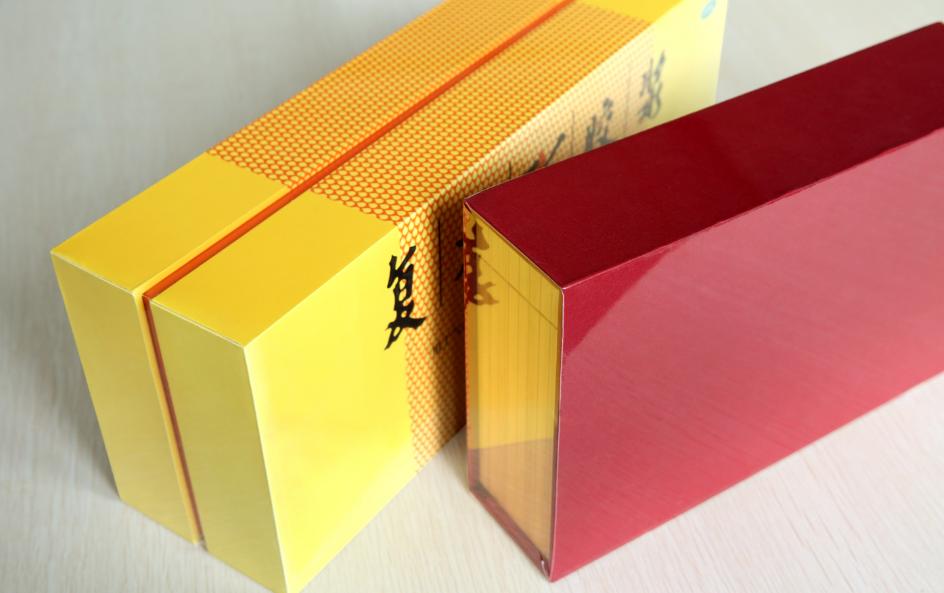
Why Gift Box Finish Quality Starts at the Corners
What an intelligent cornercutting wrapping machine changes on the line
Gift box quality is judged at the edges first. A rigid box may carry embossing, foil, or soft-touch laminate, yet uneven miter folds, bubble-prone corners, or visible glue lines signal low craft instantly. An intelligent cornercutting wrapping machine addresses that judgment point by controlling cut angle, wrap sequence, and pressure in one repeatable cycle rather than relying on operator feel.
Manual corner wrapping works for samples. At scale, small inconsistencies multiply across shifts. Paper grain direction, adhesive open time, and board thickness all interact at each corner. Without closed-loop control, teams compensate with extra QC, rework tables, and slower output. That is where search intent usually begins: not whether automation exists, but whether it actually improves perceived quality and reduces downstream waste.
Common quality failures and hidden costs buyers underestimate
Retail and contract packers often see the same defects. Lifted corner paper on humid days, asymmetric folds on tapered boxes, wrinkles where tissue meets board, and shadow lines from misaligned miter cuts. These issues rarely trace back to a single cause. They emerge when cut geometry, fold timing, and clamp force are treated as separate manual steps.
For B2B buyers, rejected cartons mean chargebacks, line stoppages, and damaged brand trust. A box that passes internal review may still fail under retail audit. Buyers photograph defects, compare supplier lots, and switch vendors quietly. Labor spent re-wrapping corners is rarely logged as a quality cost, yet it erodes margin on high-SKU lines. If corner rework runs above three percent on a mixed gift box line, automation often pays back through consistency rather than raw speed alone.
How Intelligent Cornercutting Technology Protects Box Integrity
Why miter geometry and fold sequence matter more than cover paper grade
Corner quality is structural as much as cosmetic. A precise miter cut lets outer paper meet inner board without bulk or gap. When angles are wrong, operators stretch paper to compensate, which stresses fibers and invites later lifting. Intelligent systems calculate cut paths from box dimensions and paper thickness, then execute fold sequences that respect material grain.
Hidden-line wrapping, where fold edges sit beneath visible panels, demands tighter tolerance than exposed miter styles. Middle-seal configurations suit different board profiles. The design logic is consistent: reduce manual variance at the point where visual and mechanical performance meet on rigid box packaging lines.
Sensor-guided tension, frame design, and pressure control
Modern lines combine servo-driven cutters, optical or mechanical sensors, and programmable clamp profiles. Sensors detect paper feed, board position, and fold completion before the next step advances. That prevents half-formed corners from entering the stack.
Adhesive timing matters because open time varies with temperature and humidity. Programmed dwell intervals keep glue activation within a stable window, which supports ISO 9001-style process control when documented in standard operating procedures. For operator safety, equipment layout should align with ANSI B11 series principles for guarding, emergency stop access, and clear maintenance zones.
Machine frame rigidity, cutter blade maintenance, and quick-change tooling all influence daily edge performance. Tension control stops paper from pulling tight on one edge while slack on another. Uniform pressure across the corner panel reduces bubble formation and improves adhesion to coated board surfaces common in luxury packaging and cosmetic gift box production.
Real-World Upgrade: Premium Skincare Gift Sets on a Mixed SKU Line
From audit failures to stable corner output
A contract packager in Southeast Asia produced seasonal skincare gift sets for a European brand. Board quality and print were strong, yet retail feedback flagged inconsistent corner lines on shallow lid boxes wrapped with specialty textured paper. Internal rework averaged four percent during peak campaigns, and humidity swings worsened adhesive performance on a semi-automatic line with manual fold assistance.
Audit photos from the brand QA team triggered hold notices on two shipments. After a line assessment mapped defect types to process steps, the packager installed an intelligent cornercutting wrapping machine with dimension-based recipe storage and sensor-verified fold stages. Recipes stored board length, width, depth, paper weight, and adhesive profile per SKU.
Implementation followed a phased ramp with parallel runs, side-by-side corner measurement, and ISO 9001 document control for recipe versioning. Corner rework dropped below one percent on targeted SKUs. Changeover between two box sizes fell from roughly twenty-five minutes to under twelve because operators loaded stored programs instead of retuning manual guides. The brand kept the supplier on the seasonal program and expanded SKU allocation the following year.
What Procurement Teams Should Check Before Investment
Technical fit, material range, and validation testing
Buyers should match machine capability to actual box library: lid styles, board caliper, paper types, and minimum batch sizes. Request wrapped samples using production materials, not demo board. Test under plant humidity conditions when possible. Verify compatibility with water-based and hot-melt adhesive systems if both appear in the supply chain.
Check whether the supplier supports recipe libraries, remote diagnostics, and spare cutter availability. For global brands, documentation in English and clear electrical standards simplify installation across regions. Packaging automation decisions should always begin with material trials on the exact papers and boards planned for production.
Installation, maintenance, and daily quality checks
Even strong equipment fails when recipes are copied incorrectly. Standardize first-article inspection for new SKUs: corner angle check, adhesion pull spot test, and visual review under consistent lighting. Log results per batch to support continuous improvement aligned with internal QA protocols.
Daily maintenance should include blade inspection, adhesive nozzle cleaning, sensor wipe-down, and verification of clamp pad wear. Small wear items often cause sudden quality drift that teams misattribute to paper lots. Preventive routines protect long-term corner wrap consistency better than reactive rework staffing alone.
When manual wrapping still makes sense
Low-volume artisan lines or experimental structural designs may stay manual until volumes justify capital spend. The business case strengthens when rework cost, audit risk, or labor shortage threatens delivery commitments. At that point, intelligent cornercutting wrapping machine platforms become a quality tool first and a throughput tool second.
For teams comparing options, prioritize vendors who explain failure modes openly and show maintenance paths—not those who promise unrealistic universal compatibility without material trials.
Intelligent cornercutting wrapping machine technology improves gift box quality when corner geometry, adhesive control, and fold verification are treated as integrated process variables rather than operator-dependent tricks. Buyers who validate samples, document recipes, and maintain cutters consistently see fewer edge defects, smoother retail approvals, and more predictable seasonal ramps on automated gift box wrapping lines.
Frequently Asked Questions
What is an intelligent cornercutting wrapping machine?
It is automated packaging equipment that cuts, folds, and wraps box corners using programmed recipes, sensors, and controlled adhesive timing. The system replaces manual miter cutting and hand folding on rigid gift boxes, delivering repeatable corner geometry across shifts. It suits cosmetics, confectionery, electronics accessories, and premium retail cartons where edge finish drives buyer perception and shelf appeal.
Why do gift box corners fail so often in production?
Corners fail when cut angles, paper tension, adhesive open time, and fold pressure vary between operators or shifts. Humidity changes adhesive behavior on coated papers. Textured or thin stocks tear if overstretched during manual folding. Semi-automatic steps leave small gaps that look acceptable internally but fail under retail lighting and photography-based QA reviews from brand owners.
Can intelligent cornercutting wrapping machine technology reduce rework rates?
Yes, when defects trace to corner inconsistency rather than board or print issues. Facilities reporting three to five percent corner rework on mixed SKU lines often see substantial drops after recipe-based automation and sensor-verified fold stages. Results depend on material trials, maintenance discipline, and accurate recipe setup for each box size and paper combination.
How does corner wrapping affect perceived product value?
Buyers associate crisp corners with premium positioning. Lifted edges suggest careless assembly even when product contents are high quality. For gift sets and limited editions, packaging is part of the product story. Stable corner lines support higher price bands and reduce returns tied to damaged presentation rather than product failure.
Which box types work best with automated corner cutting?
Rectangular and square rigid boxes with standard lid profiles adapt well to automated corner cutting and film coating workflows. Shallow lids, hidden-line wraps, and middle-seal configurations are common in cosmetics and luxury food gifting. Highly irregular shapes or one-off prototypes may still need manual finishing until volumes justify dedicated tooling and stored recipes.
What standards should buyers reference during equipment evaluation?
ISO 9001 supports documented process control for recipe versioning and batch checks. ANSI B11 guidance helps assess guarding and safe maintenance access on automated lines. Buyers may also align internal QA with ISO 12647 print quality references when corner defects interact with laminate or ink coverage at box edges.
How long does changeover take between SKUs?
Changeover time depends on tooling design and recipe depth. Well-configured lines with stored programs often complete size changes in ten to twenty minutes after operators validate first-article corners. Manual semi-automatic setups frequently need longer retuning because each adjustment depends on individual skill rather than saved parameters.
When should a packager invest instead of adding labor?
Investment makes sense when rework cost, audit penalties, or labor gaps threaten delivery during peak seasons. If corner defects cause recurring hold notices from brand owners, automation addresses root process variance. Low-volume experimental lines may defer purchase until SKU volumes and quality risk justify capital deployment.
Choosing a Reliable Packaging Equipment Partner
Selecting automation for rigid gift boxes requires more than catalog specifications. Engineering teams should evaluate whether a partner understands corner geometry, material behavior, and line integration from the factory floor perspective. SKYAT brings fourteen years of packaging automation experience, with intelligent corner cutting and film coating platforms used across cosmetics, pharmaceutical gifting, and premium consumer goods. Global project support, customized tooling for mixed SKU lines, and structured quality management help buyers move from sample approval to stable production without treating corners as an afterthought. For teams planning line upgrades, reviewing application cases and requesting material-specific trials remains the most reliable path to lasting edge quality.
Table of Contents
- Why Gift Box Finish Quality Starts at the Corners
- How Intelligent Cornercutting Technology Protects Box Integrity
- What Procurement Teams Should Check Before Investment
-
Frequently Asked Questions
- What is an intelligent cornercutting wrapping machine?
- Why do gift box corners fail so often in production?
- Can intelligent cornercutting wrapping machine technology reduce rework rates?
- How does corner wrapping affect perceived product value?
- Which box types work best with automated corner cutting?
- What standards should buyers reference during equipment evaluation?
- How long does changeover take between SKUs?
- When should a packager invest instead of adding labor?
- Choosing a Reliable Packaging Equipment Partner