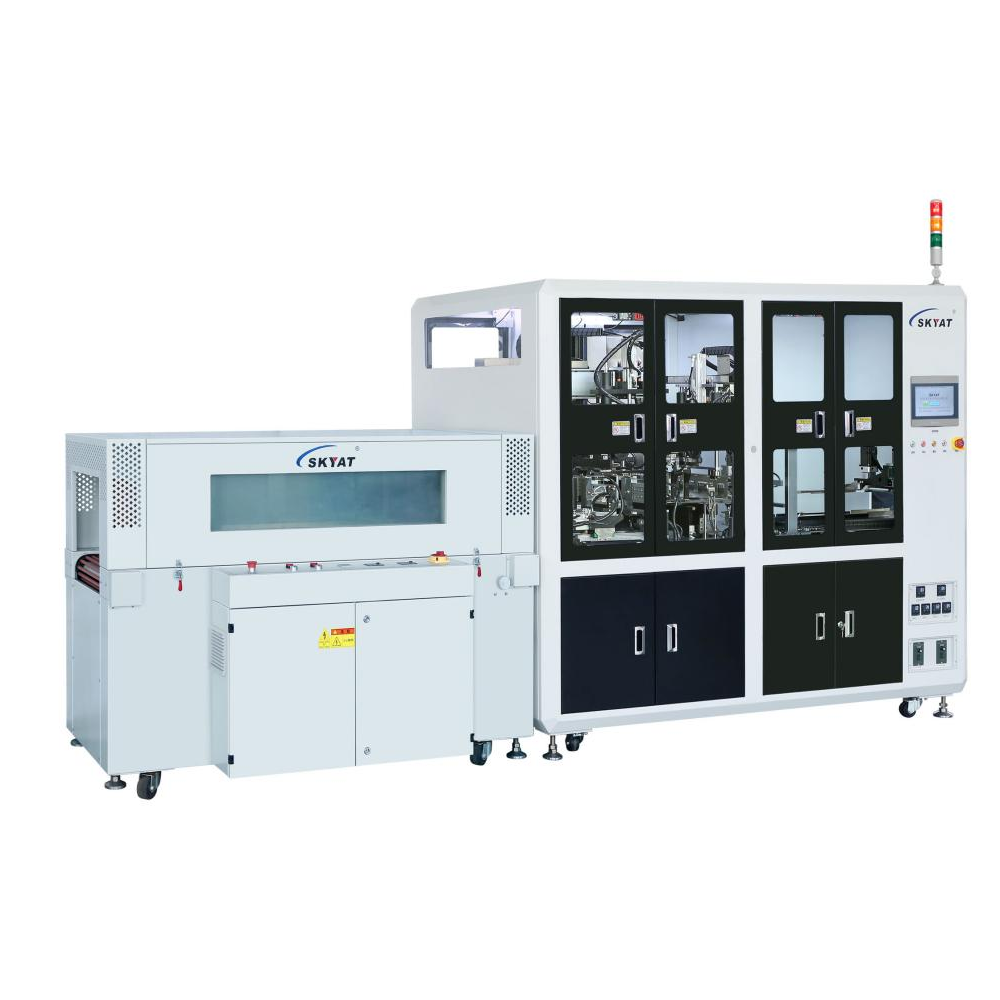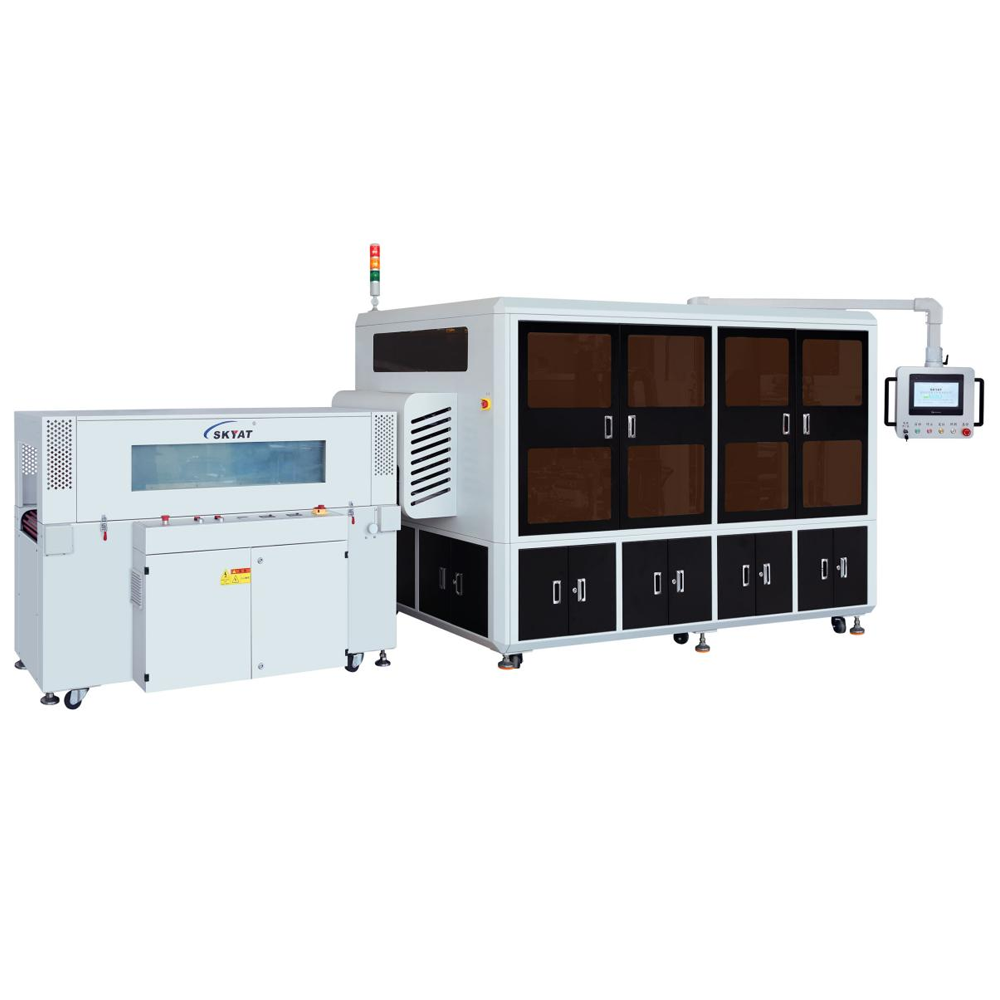
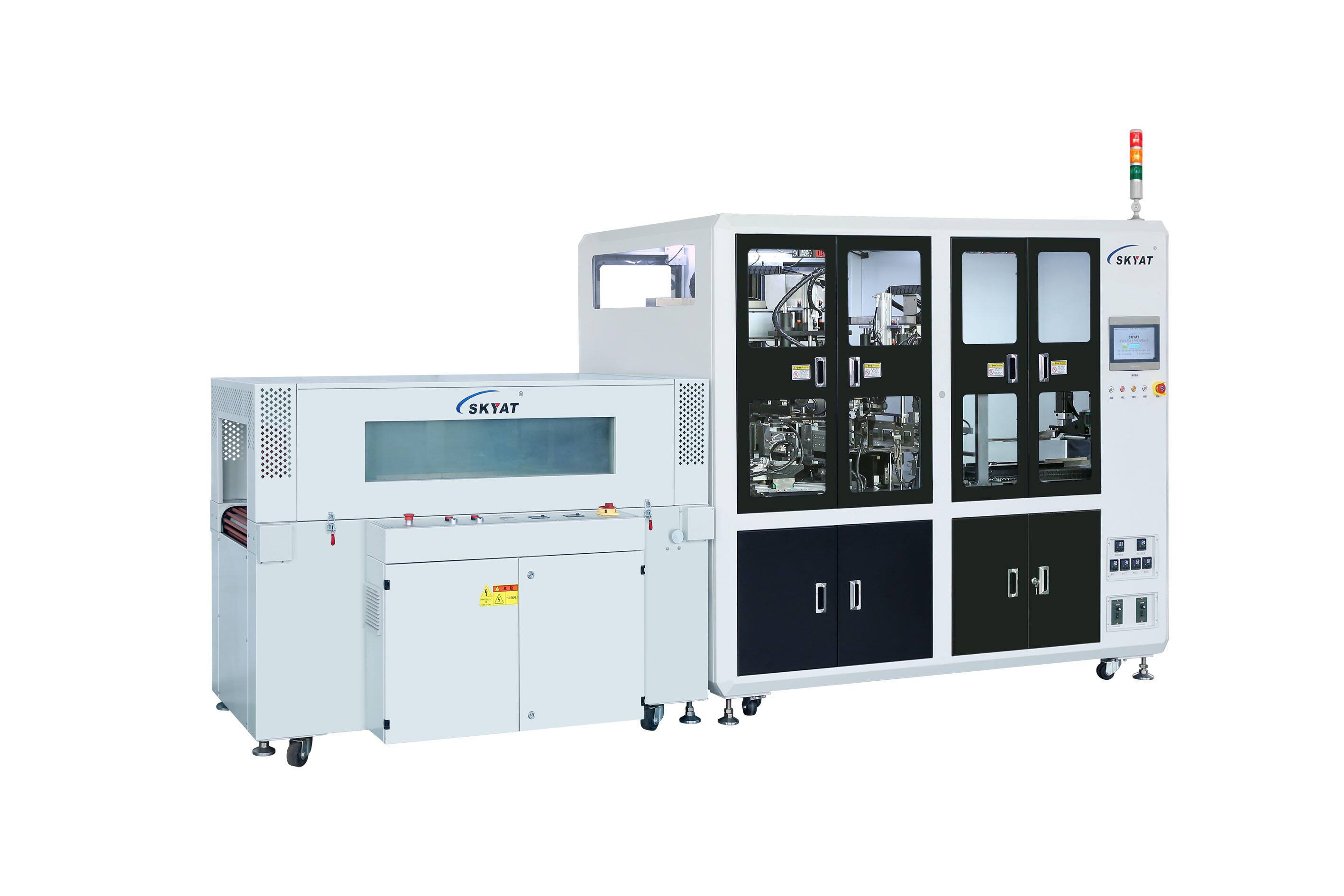
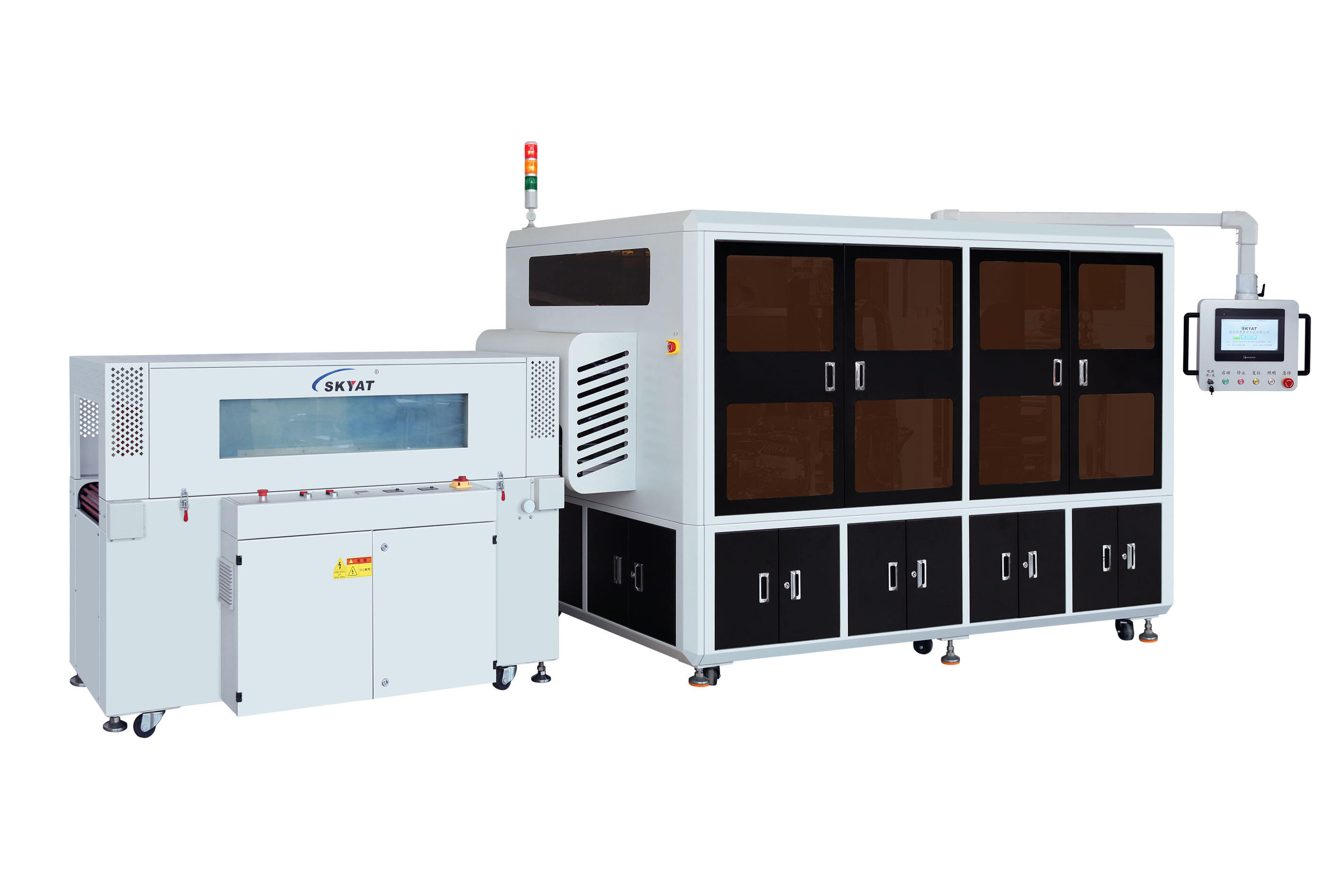
The structure of a fully automatic fourcorner cutting & laminating machine is engineered for precision and efficiency, with a design that caters to the diverse needs of industries ranging from automotive manufacturing to cosmetic packaging. The machine features a robust base frame, typically constructed from heavy-gauge steel, which provides stability during high-speed operations. This rigidity is essential for sectors like steel product packaging, where the machine handles thick materials that generate significant vibrations. Mounted on the frame is the feeding unit, a horizontally aligned structure that includes conveyor belts and adjustable guides. This unit is designed to accommodate various material sizes, from small electronic component cards to large ceramic product boxes. The guides can be easily adjusted, making the machine versatile for the clothing industry, which uses a wide range of packaging dimensions. Above the feeding unit is the cutting module, positioned at a precise vertical angle to ensure accurate corner cuts. It consists of a movable cutting head with blades that can be adjusted for different corner radii—a feature valuable for the game industry, which often requires unique packaging designs. The cutting module works in sync with a pressure plate that holds the material in place, preventing shifting during cutting—critical for pharmaceutical packaging where precision is non-negotiable. The lamination section, located downstream from the cutting module, comprises heated rollers arranged in a vertical stack. The upper and lower rollers apply heat and pressure simultaneously, ensuring the laminate adheres evenly. This structure is particularly beneficial for the tea packaging sector, where the quality of lamination directly affects the product’s shelf appeal. The lamination section can be adjusted for temperature and pressure, allowing it to handle both heat-sensitive materials like cosmetic packaging films and heat-resistant materials used in drone component packaging. The control cabinet, integrated into the machine’s side structure, houses the electrical components and software. It’s connected to the cutting and lamination modules via wiring harnesses, enabling seamless communication. This setup is advantageous for the new energy industry, where operators need real-time data to optimize production cycles. The safety structure includes protective enclosures around the cutting and lamination areas, with interlocks that stop the machine if opened. This design meets strict safety standards, making it suitable for industries like automotive manufacturing where workplace safety is a top priority. The machine’s modular structure allows for easy upgrades and maintenance. For example, businesses in the electronics manufacturing sector can add additional sensors to the existing framework to enhance precision, while those in healthcare product packaging can upgrade the lamination rollers for better adhesion. This adaptability ensures the machine remains relevant as production needs evolve across different sectors, solidifying its role as a versatile asset in modern manufacturing facilities.
Copyright © 2025 By Skyat Limited. - Privacy policy