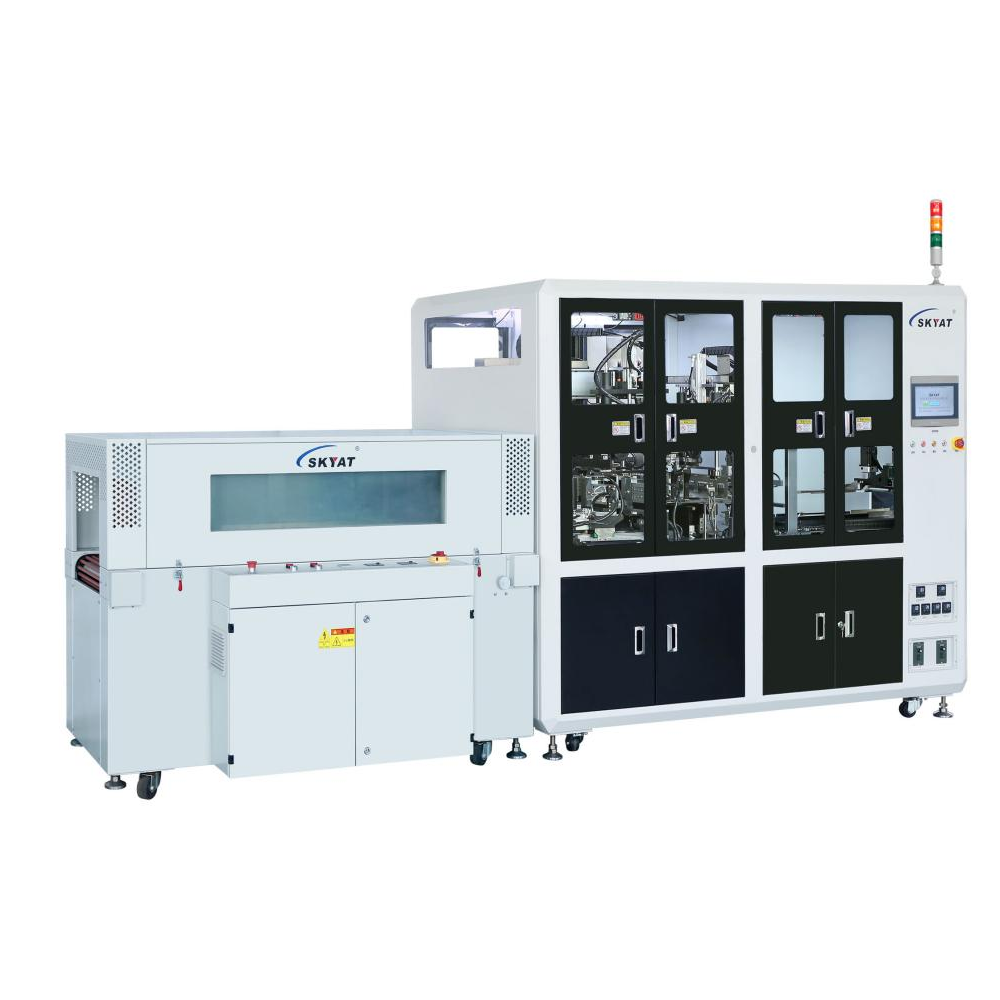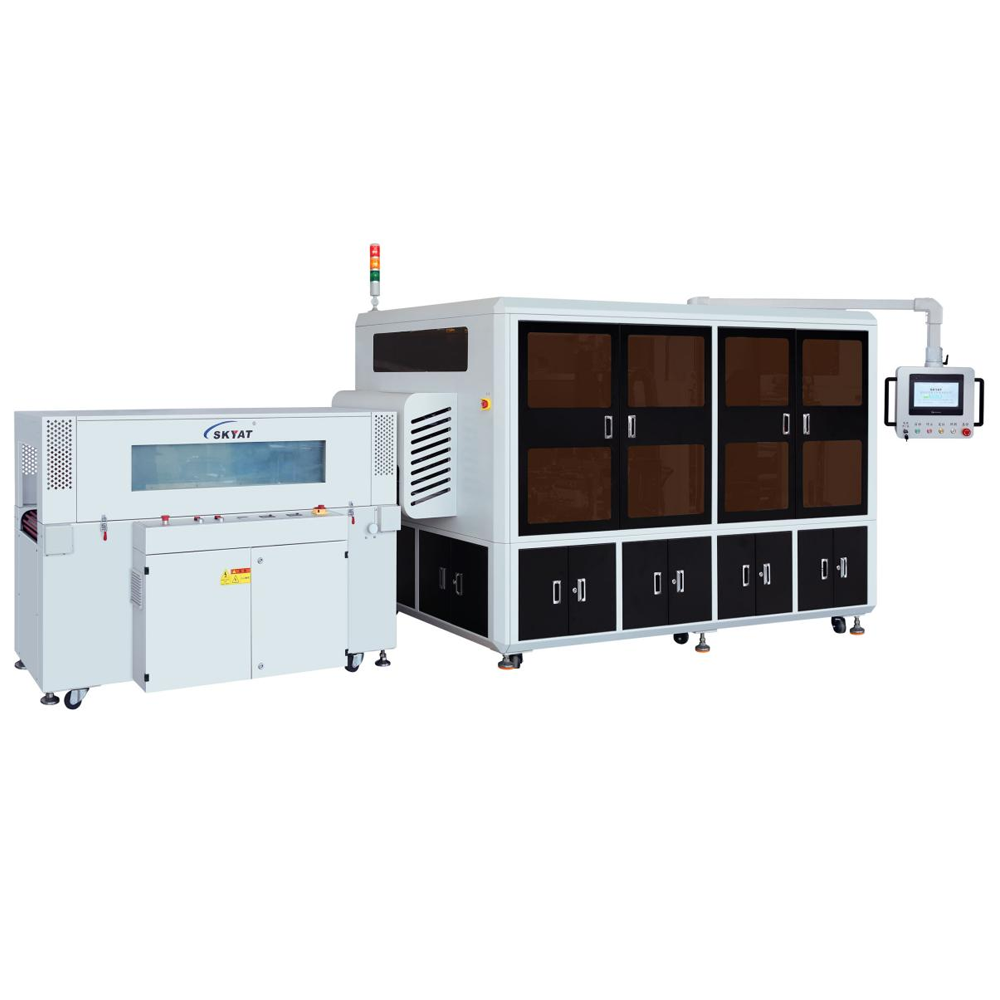
The price of a fully automatic fourcorner cutting & laminating machine varies significantly based on several key factors, making it essential for businesses across industries to understand the elements that influence costs before making a purchase. One of the primary determinants is the machine’s production capacity, measured in pieces per minute. Entry-level models, capable of handling 30-50 pieces per minute, are typically priced lower and are ideal for small to medium-sized enterprises in sectors like tea packaging or the healthcare product industry, where production volumes are moderate. These machines often come with basic features, such as manual parameter adjustments and standard cutting blades, suitable for businesses with straightforward packaging needs. Mid-range machines, operating at 50-70 pieces per minute, offer a balance of performance and affordability, catering to industries like cosmetic packaging and the clothing industry. They include advanced features such as pre-programmed settings, improved material handling systems, and enhanced safety components, which justify their higher price point compared to entry-level models. These machines are a popular choice for businesses looking to scale up production without investing in industrial-grade equipment. High-end industrial models, designed for speeds exceeding 70 pieces per minute, command the highest prices due to their robust construction, cutting-edge technology, and ability to handle continuous operation. These machines are tailored for large-scale industries like automotive manufacturing, steel product packaging, and electronics manufacturing, where downtime is costly and high-volume production is a priority. They often integrate AI-driven systems, IoT connectivity, and customizable modules for specialized materials, such as rigid boards used in drone casings or delicate films in smart electronics packaging. Additional features significantly impact the price. Machines with automatic predictive maintenance systems, which are crucial for the pharmaceutical industry to avoid production disruptions, tend to be more expensive. Similarly, models with energy-efficient motors and heat recovery systems, favored by the new energy sector, come with a higher upfront cost but offer long-term savings on utility bills. Customization options, such as specialized blades for unique corner cuts in the game industry or enhanced lamination rollers for ceramic product packaging, also add to the price, as they require engineering adjustments. Geographic location and supplier reputation play roles in pricing too. Machines sourced from reputable manufacturers with a track record of serving diverse industries may have higher prices due to quality assurance and reliable after-sales support. Import taxes and shipping costs can also affect the final price, particularly for businesses outside major manufacturing hubs. On average, entry-level machines can range from $15,000 to $30,000, mid-range models from $30,000 to $60,000, and high-end industrial machines from $60,000 to $150,000 or more. It’s important for businesses to consider not just the upfront cost but also long-term expenses, such as maintenance, spare parts, and energy consumption, when evaluating the total value. For example, a slightly more expensive energy-efficient model may prove more cost-effective over time for the new energy industry, offsetting the initial investment through reduced operational costs. Ultimately, the price of a fully automatic fourcorner cutting & laminating machine reflects its ability to meet specific industry needs, with businesses advised to align their budget with their production requirements and long-term growth goals.
Copyright © 2025 By Skyat Limited. - Privacy policy