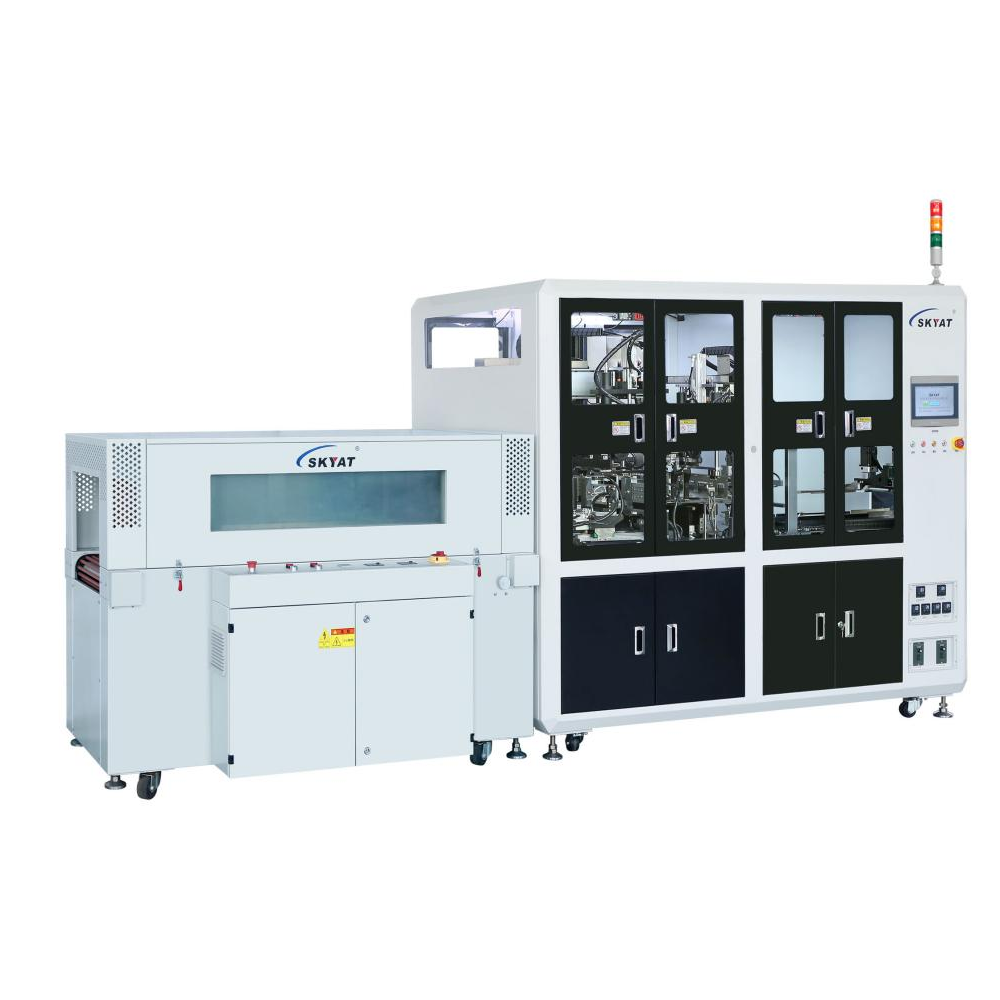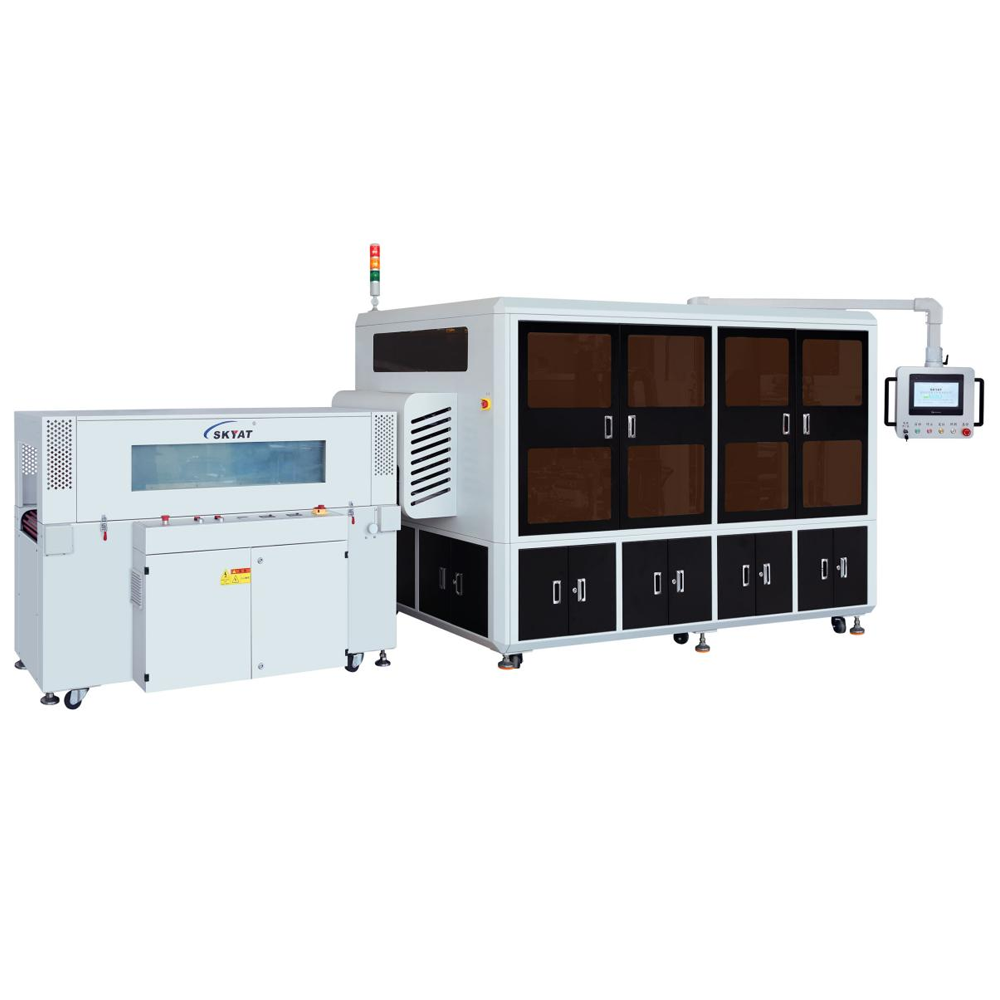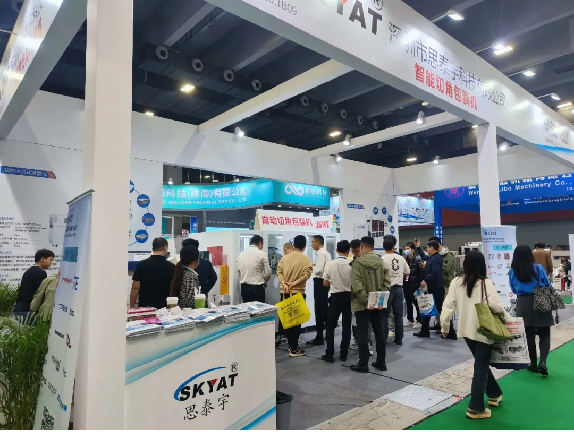
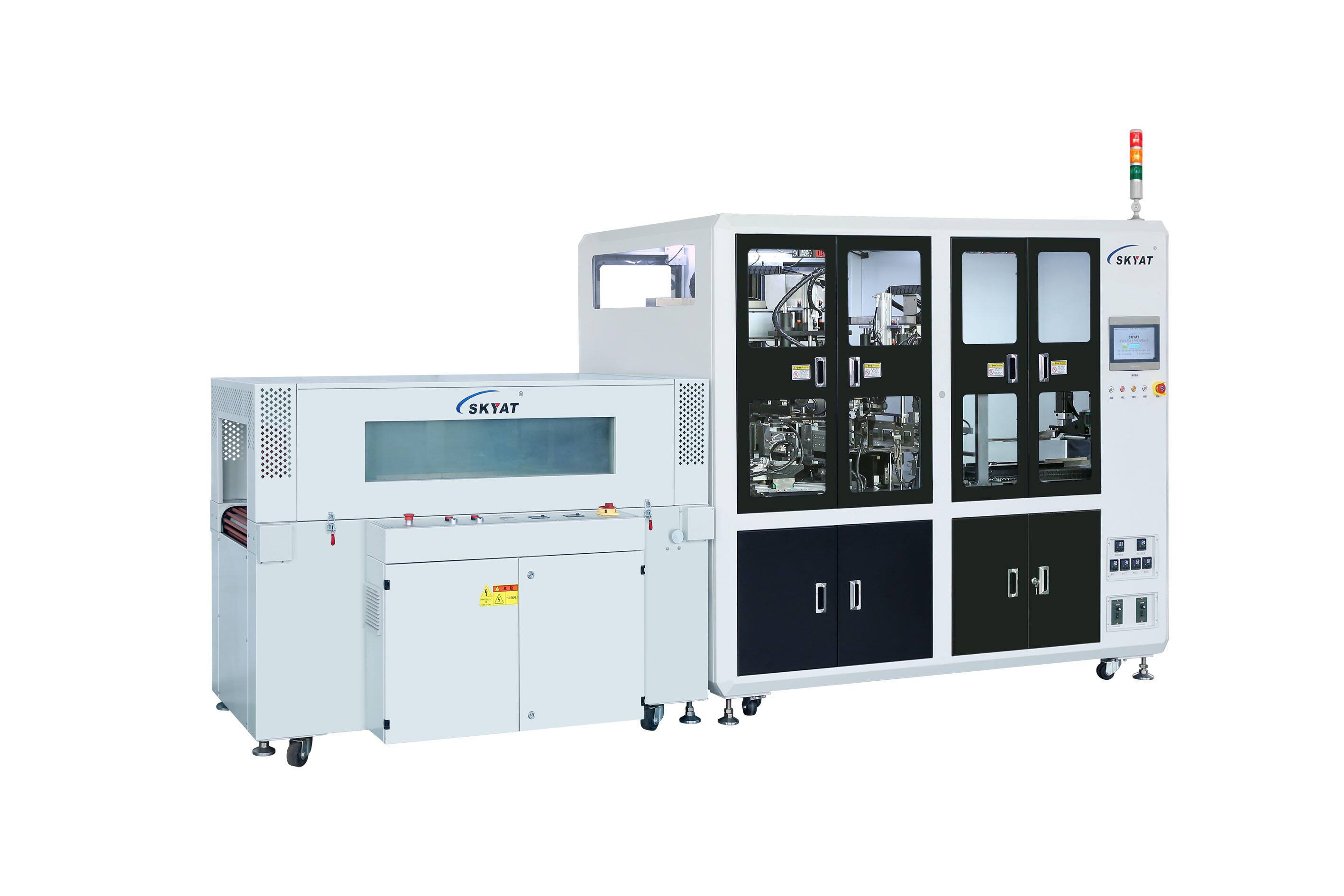
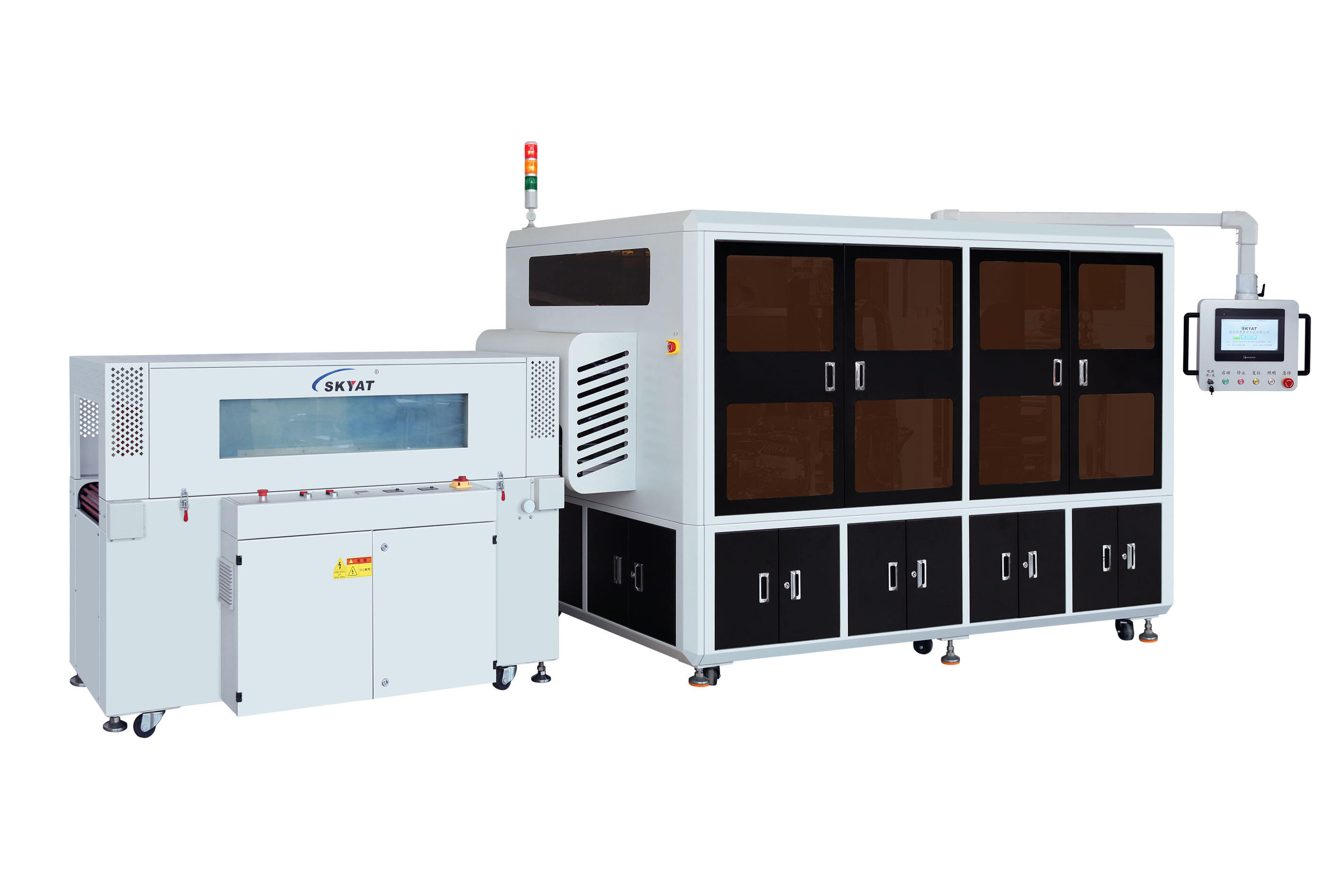
When it comes to choosing a fully automatic fourcorner cutting & laminating machine, making a thorough comparison is crucial for businesses across various industries such as electronics manufacturing, pharmaceutical packaging, and cosmetics production. Different models in the market vary significantly in terms of core features, which directly impact operational efficiency and cost-effectiveness. One key aspect to compare is the cutting precision. Some machines offer a tolerance of ±0.1mm, ensuring that even the most delicate materials, like thin electronic film or high-end cosmetic box wrappers, are processed with utmost accuracy. Others may have a slightly wider tolerance, which could be acceptable for less demanding applications such as certain types of clothing packaging but not for precision-required sectors like smart electronics production. Production speed is another vital factor in the comparison. Machines with higher speed capabilities, often reaching 50-60 pieces per minute, are ideal for large-scale manufacturing facilities in industries like automotive parts packaging, where meeting high-volume orders is a priority. In contrast, slower models, typically operating at 30-40 pieces per minute, might be more suitable for small to medium-sized enterprises in the tea packaging or ceramic product wrapping sectors that have lower production demands. Versatility is also a point of differentiation. Advanced machines can handle a wide range of material thicknesses, from 0.1mm thin films to 5mm rigid boards, making them suitable for diverse industries including healthcare product packaging and drone component processing. On the other hand, some machines are designed for specific material ranges, limiting their application scope. Ease of operation is another aspect to consider. Machines with intuitive touch-screen interfaces and automated setup functions reduce the need for extensive operator training, which is beneficial for industries with high staff turnover, such as the garment industry. In comparison, models with complex manual adjustment processes may require skilled technicians, increasing labor costs over time. Maintenance requirements and after-sales support are also critical in the comparison. Machines with modular designs allow for easier replacement of parts, minimizing downtime – a feature highly valued in sectors like steel product packaging where continuous production is essential. Additionally, comparing the energy consumption of different machines is important for businesses aiming to reduce their carbon footprint, especially those in the new energy sector that prioritize sustainable operations. When evaluating, it’s essential to align the machine’s capabilities with the specific needs of your industry. For example, in pharmaceutical packaging, where compliance with strict regulations is mandatory, a machine with built-in quality control sensors and traceability features may be more valuable than a cheaper alternative lacking these functions. Similarly, in the game industry, where packaging design is often intricate, a machine with high customization options for cutting and laminating patterns would be a better fit. By weighing these factors in a comprehensive comparison, businesses can select a fully automatic fourcorner cutting & laminating machine that not only meets their current production needs but also offers scalability for future growth across various sectors.
Copyright © 2025 By Skyat Limited. - Privacy policy