
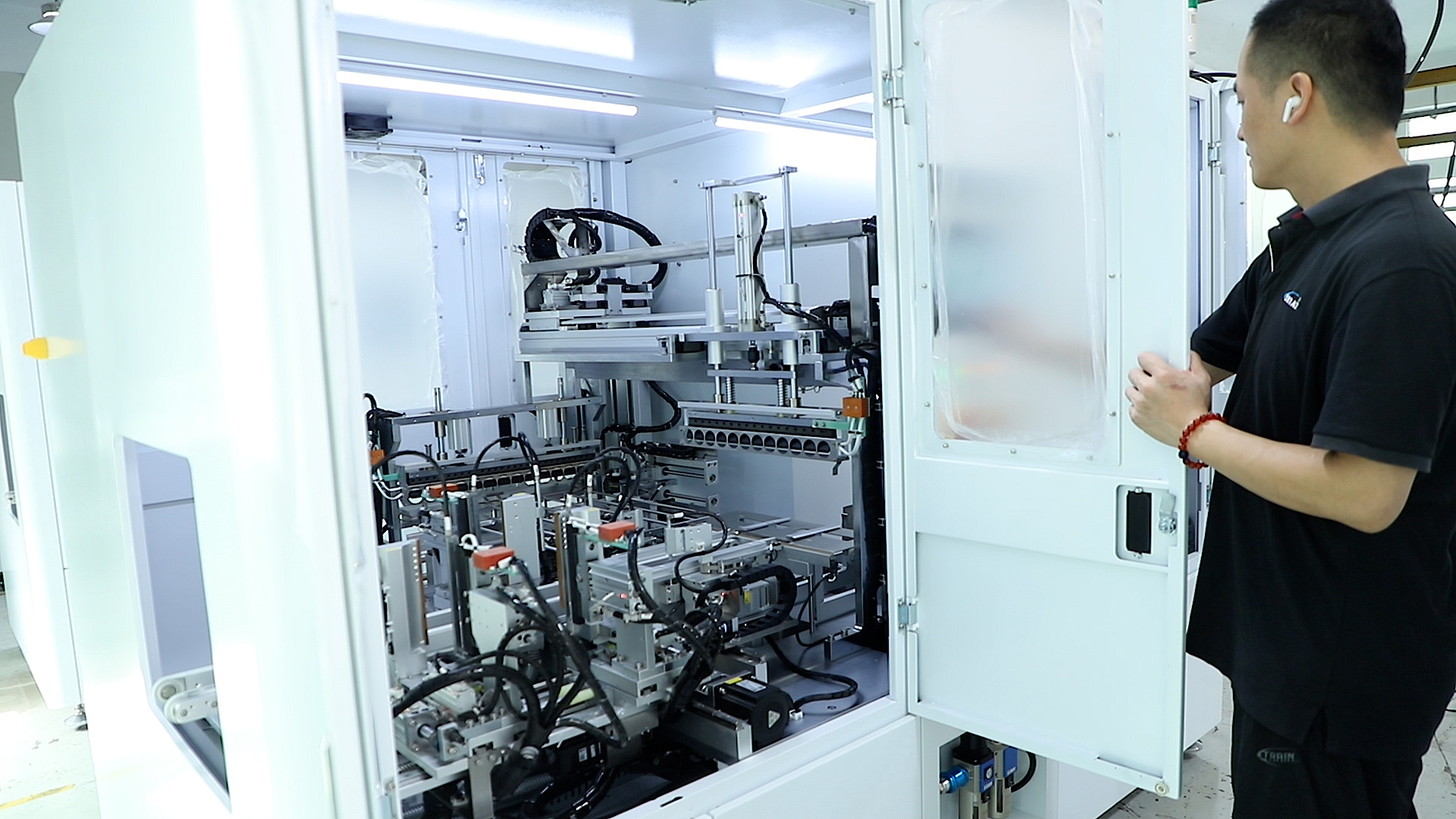
In today’s fast-paced manufacturing landscape, inefficient packaging processes—such as manual laminating with high labor dependency, inconsistent precision, and prolonged production cycles—have become a key bottleneck for enterprises pursuing lean operations. As a national high-tech enterprise with over a decade of experience in intelligent packaging equipment, we recognize that fully automatic laminating machines are not just "equipment upgrades" but core drivers to streamline workflows. This article will delve into how these machines optimize production efficiency, adapt to cross-industry needs, and what criteria enterprises should use to select reliable solutions—combining practical cases and technical insights to provide actionable guidance.
1. Three Core Dimensions of How Fully Automatic Laminating Machines Optimize Workflows
The value of fully automatic laminating machines in streamlining workflows lies in their ability to solve pain points in "efficiency, precision, and cost"—three core aspects of manufacturing operations.
1.1 Efficiency: Breaking Through Manual Production Limits
Traditional laminating relies on manual feeding, positioning, and trimming, with each step requiring human oversight and frequent downtime for adjustments. In contrast, fully automatic laminating machines integrate feeding, laminating, pressure control, and trimming into a single automated workflow. For example, in the electronic manufacturing sector (serving clients like Huawei and Apple), our machines achieve continuous 24/7 operation, reducing production cycle time by 40% compared to manual lines and directly boosting daily output to meet large-volume order demands.
1.2Cost: Reducing Long-Term Operational Burdens
While the initial investment in fully automatic laminating machines may be higher than manual equipment, they deliver significant cost savings over the long term. First, they reduce labor costs by replacing 3–5 manual workers per production line. Second, their high precision lowers material waste rates (from 8% in manual operations to less than 2% in automated systems). Finally, the machines are backed by our professional engineering maintenance team, minimizing unplanned downtime—critical for enterprises like BYD that require continuous production.
2. Cross-Industry Applications: Fully Automatic Laminating Machines in Practical Workflows
The versatility of fully automatic laminating machines makes them adaptable to diverse industry needs, further proving their ability to streamline workflows across sectors.
Electronic Manufacturing: For high-end electronic products (e.g., Huawei and Apple components), the machines provide scratch-resistant, dust-proof laminating for product casings. The automated process aligns with the sector’s demand for fast, high-precision packaging, avoiding delays in assembly line operations.
Pharmaceutical & Health Products Industry: Companies like Dong’e Donkey-Hide Gelatin require laminating to meet strict hygiene and compliance standards. Our machines, designed in line with ISO9001:2008 quality management system requirements, ensure contamination-free operation and traceable production data—simplifying compliance audits in the workflow.
Tea & Cosmetics Industry: Brands such as Bama Tea rely on attractive packaging to enhance product value. The fully automatic machines achieve uniform laminating on Different size packaging, maintaining consistent aesthetics without manual touch-ups, thus speeding up the transition from production to market.
3. Key Criteria for Selecting Fully Automatic Laminating Machines to Maximize Workflow Value
To truly leverage fully automatic laminating machines for workflow optimization, enterprises must prioritize suppliers with technical strength and industry experience—rather than just focusing on equipment prices.
3.1 Qualification & Certification
Choose suppliers that hold authoritative certifications, such as "National High-Tech Enterprise" and "ISO9001 Quality Management System Certification." These credentials ensure the machines meet national technical standards and can integrate with your existing quality management system, avoiding workflow disruptions due to non-compliant equipment.
3.2 Independent R&D & Technical Innovation
Suppliers with independent R&D capabilities (like our company, which has developed multiple sets of automation software and holds patents) can provide customized solutions. For example, if your workflow involves special materials (e.g., heat-sensitive cosmetics packaging), a supplier with R&D strength can adjust the machine’s temperature and pressure parameters—ensuring seamless integration into your workflow.
3.3 Global Service Support
As workflow disruptions can occur at any time, especially for enterprises with global operations, select suppliers with a professional after-sales team. Our engineering R&D and maintenance personnel (with years of automation equipment experience) provide 24/7 technical support and on-site maintenance—minimizing downtime and keeping your workflow running smoothly.
Conclusion
In an era where efficiency and precision determine enterprise competitiveness, fully automatic laminating machines are no longer optional but essential tools to streamline workflows. They optimize efficiency, ensure precision, and reduce costs while adapting to the unique needs of industries from electronics to pharmaceuticals. By choosing a supplier with strong qualifications, technical innovation, and global service capabilities, enterprises can fully unlock the value of these machines and achieve sustainable workflow optimization. Whether you are a world top 500 enterprise or a growing brand, customized fully automatic laminating machine solutions can help you break through production bottlenecks and gain a competitive edge.